Furnace Repair in Nevada
Homes in Nevada are newer than in 49 of the other 49 states.
Tell us about the job
Takes about a minute. No obligation.
- 33°Fwinter overnight low where people live
- 7 monthsof heat, October through April
- $17.91 per million Btuwhat homes paid for natural gas in 2024 (Btu means British thermal units, a measure of heat)
- 924winter storms from 2015 to 2024
What does a furnace in Nevada face?
How cold do winter nights get?
33°Faverage overnight low where people live
North Dakota4°F
Hawaii65°F
How many months does the heat run?
7 monthsof heating a year
Hawaii0 months
Alaska12 months
What does natural gas cost?
$17.91per million Btu, what homes paid in 2024
Montana$7.77
Hawaii$53.25
How often do storms hit?
427severe weather events per county from 2015 to 2024
Alaska5
Wyoming1,057
How many homes lost power for a day or more?
13%of homes in 2024
Arizona7%
Maine54%
The first weeks of the season find the weak spot
Furnace here sits idle most of the year, then gets asked to work in October. That first cold snap is when a weak igniter or a tired blower motor finally gives out, because it hasn't had to carry a real load since the spring before. If something was marginal, this is when it shows itself. Nevada only needs heat for about seven months, October through April, so a furnace here spends a lot of time off before that first start. A repair called in during those early weeks is often catching a problem before a cold night with no heat turns into something worse.
Nevada logged 2,913 severe weather events between 2015 and 2024, more than most other states.
If the vents or outdoor unit took hail or debris in a storm, that's worth a look even if the furnace still starts.
Furnace repair, done right, in Nevada
A straightforward fix for a straightforward problem
Furnace trouble in Nevada is usually just furnace trouble. Winters here run milder than in 39 of the other 49 states. Homes need heat for fewer months than in 28 of them. That's not a place where the cold is pushing equipment past what it's built for. If a furnace here is acting up, the likely cause is something ordinary. An igniter. A blower motor. A thermostat set wrong. The kind of part that wears out in any furnace, anywhere. A licensed contractor can usually find it and fix it without much guesswork.
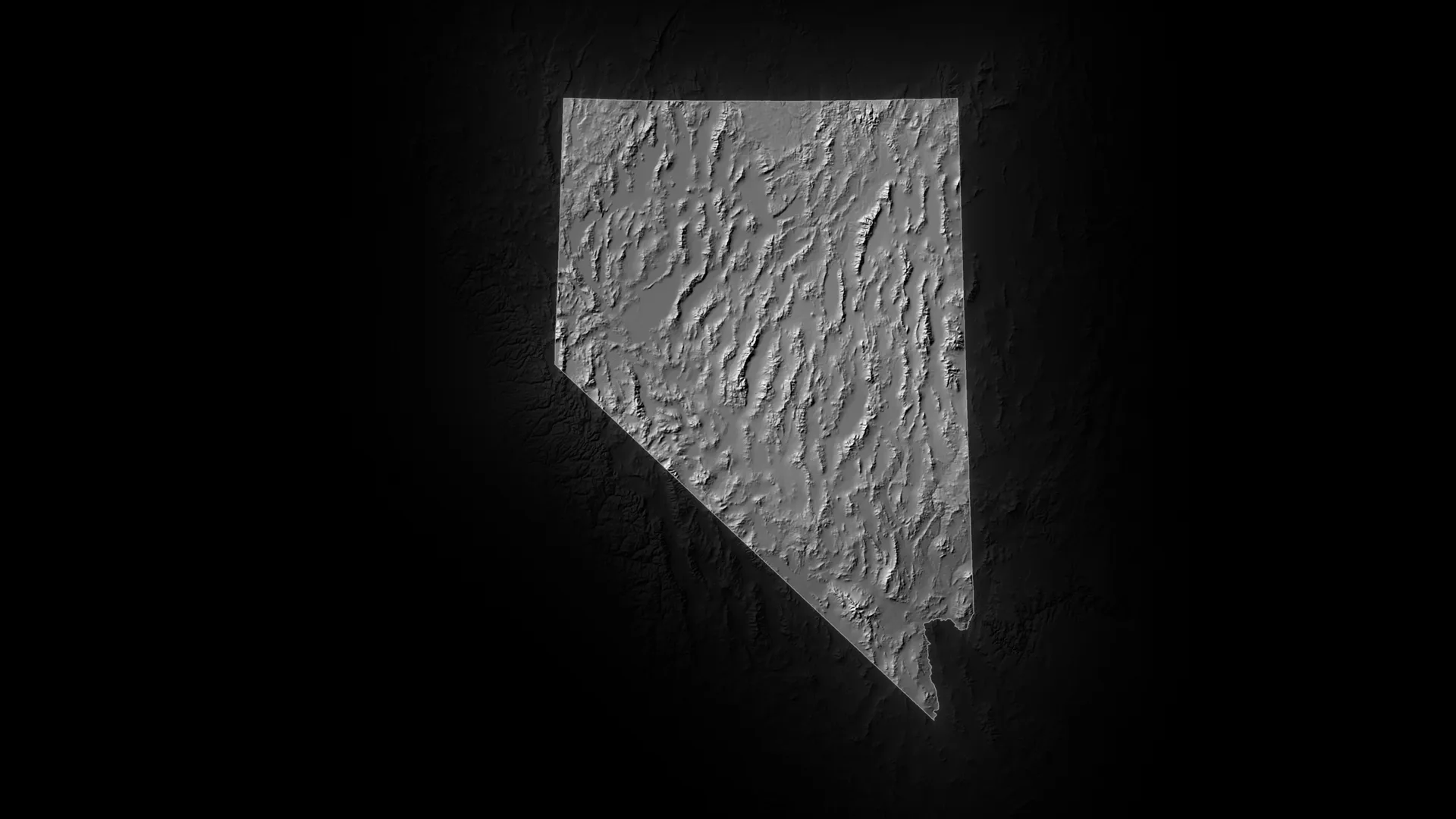
Nevada splits sharply between its eastern and western counties. Homes in the east need about 73% more heat over a year than homes in the west, and that gap shows up in how hard a furnace works from one winter to the next.
Elko County needs about three times as much heat as Clark County, which has the lowest heating need in the state. A furnace in Elko is carrying a load most winters that a furnace in Clark rarely sees, and that difference matters when something starts acting up.
Winter nights average 21°F across the eastern counties against 33°F in the west. White Pine County sees the coldest nights in the state, averaging 17°F across December, January and February.
How long a furnace has to run varies by county too. Douglas County needs heat about 10 months a year, the longest stretch in the state. Clark County needs it for about 6. A furnace running nearly all year wears differently than one that mostly sits idle.
Where a home falls on this map says something about what to check first. In the colder, longer-season counties, a furnace has more hours on it by midwinter and less room to limp along on a failing part. In Clark County and the milder west, a furnace that's struggling is more likely dealing with an isolated fault than the strain of a long, cold stretch.
Severe weather hits Nevada more than most states Elko County has the heaviest storm record
- Eastern counties need about 73% more heat than western ones
- Winter nights average 33°F where people live
- Heat runs October through April
- 924 winter storms from 2015 to 2024
- Climate zones 3B, 4B and 5B across the state
- 13% of homes lost power a day or more in 2024
- A technician checks the actual flame, not just whether the furnace fires up
- Short cycling often points to an airflow problem, not a failing part
- Wiring faults and bad thermostat settings can look exactly like a dead furnace
- Grinding or rattling from the blower usually means a motor on its way out
- Heat back on the same visit once the failed part is found
What a furnace sounds and smells like right before it fails
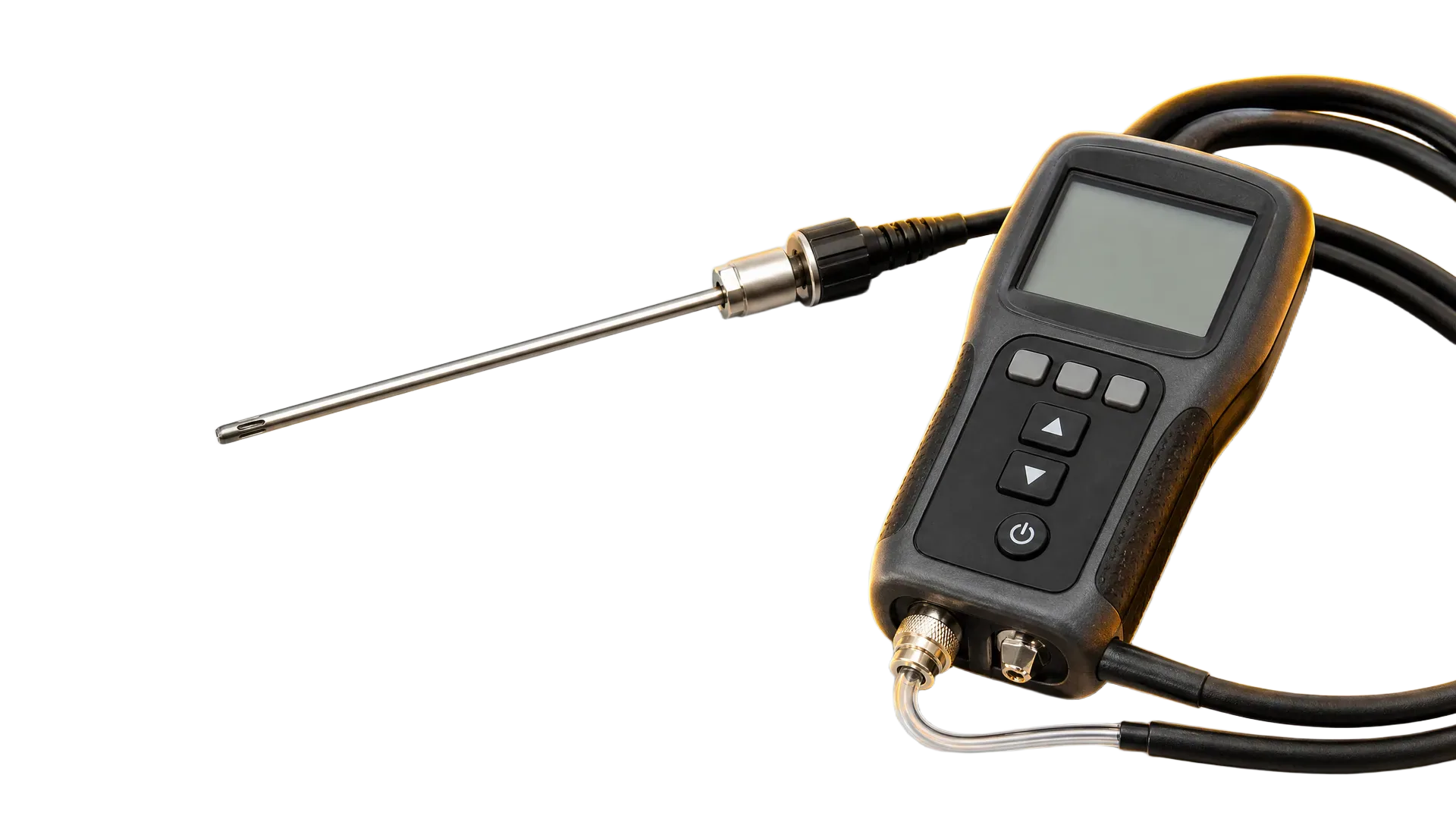
A furnace usually tells you something's wrong before it quits for good. A burner that won't light on the first try points to a dirty flame sensor or a weak igniter. Short cycling, where it fires up and shuts off again before the room warms, often means the heat exchanger is overheating and tripping a safety switch. A little cold air before the burners catch is normal, but if it runs on, something upstream is slow to respond. A burning or dusty smell the first time it runs after sitting is normal and fades fast. If it lingers, or smells sharp and stays, that's not dust burning off, that's a wiring or component problem. Listen for the blower too. A rattle means something's loose. A grinding or squealing sound means the motor bearings are wearing out, and that won't get better on its own. Any of these is worth a call before it turns into no heat at all.
Half the homes in Nevada were built in 1996 or later, and homes here are newer than anywhere else in the country. A furnace that came with a newer house is less likely to be failing from age and more likely dealing with one bad part.
Most homes in Nevada are detached or attached single-family houses, with mobile homes making up a smaller share. If your furnace came with the house, repair is usually the right first call. A licensed contractor can confirm what's actually wrong before anyone talks about replacing the system.
A furnace acting up in Nevada is usually a simple fix, but don't let it wait for a cold night.
Tell us about the job
Takes about a minute. No obligation.
Fill out the form once and a licensed Nevada contractor calls to look at your furnace.