Furnace Installation in Nevada
Homes in Nevada are newer than in 49 of the other 49 states.
Tell us about the job
Takes about a minute. No obligation.
- 33°Fwinter overnight low where people live
- 7 monthsof heat, October through April
- $17.91 per million Btuwhat homes paid for natural gas in 2024 (Btu means British thermal units, a measure of heat)
- 924winter storms from 2015 to 2024
Gas runs cheaper here than most states so efficiency upgrades pay back slower
- Eastern counties need about 73% more heat than western ones
- Winter nights average 33°F where people live
- Heat runs October through April
- 924 winter storms from 2015 to 2024
- Climate zones 3B, 4B and 5B across the state
- 13% of homes lost power a day or more in 2024


Wind and winter storms hit Nevada often, outages can last a day
Gas heats close to 6 in 10 homes in Nevada, more than any other fuel.
If gas already runs to your house, replacing your furnace with another gas unit is usually the straightforward path.
The right furnace depends on where in Nevada you live
Eastern counties and western counties don't need the same system
Nevada isn't one furnace job. A house in Elko County needs about three times the heat over a year that a house in Clark County does, and eastern counties overall run about 73% higher than western ones. The right furnace size and the right setup depend on where in the state you are, not just the fact that you're in Nevada. A contractor sizing your system should be looking at your county's winters, not a statewide average that doesn't match either end of the state.
What does a furnace in Nevada face?
How cold do winter nights get?
33°Faverage overnight low where people live
North Dakota4°F
Hawaii65°F
How many months does the heat run?
7 monthsof heating a year
Hawaii0 months
Alaska12 months
What does natural gas cost?
$17.91per million Btu, what homes paid in 2024
Montana$7.77
Hawaii$53.25
How often do storms hit?
427severe weather events per county from 2015 to 2024
Alaska5
Wyoming1,057
How many homes lost power for a day or more?
13%of homes in 2024
Arizona7%
Maine54%
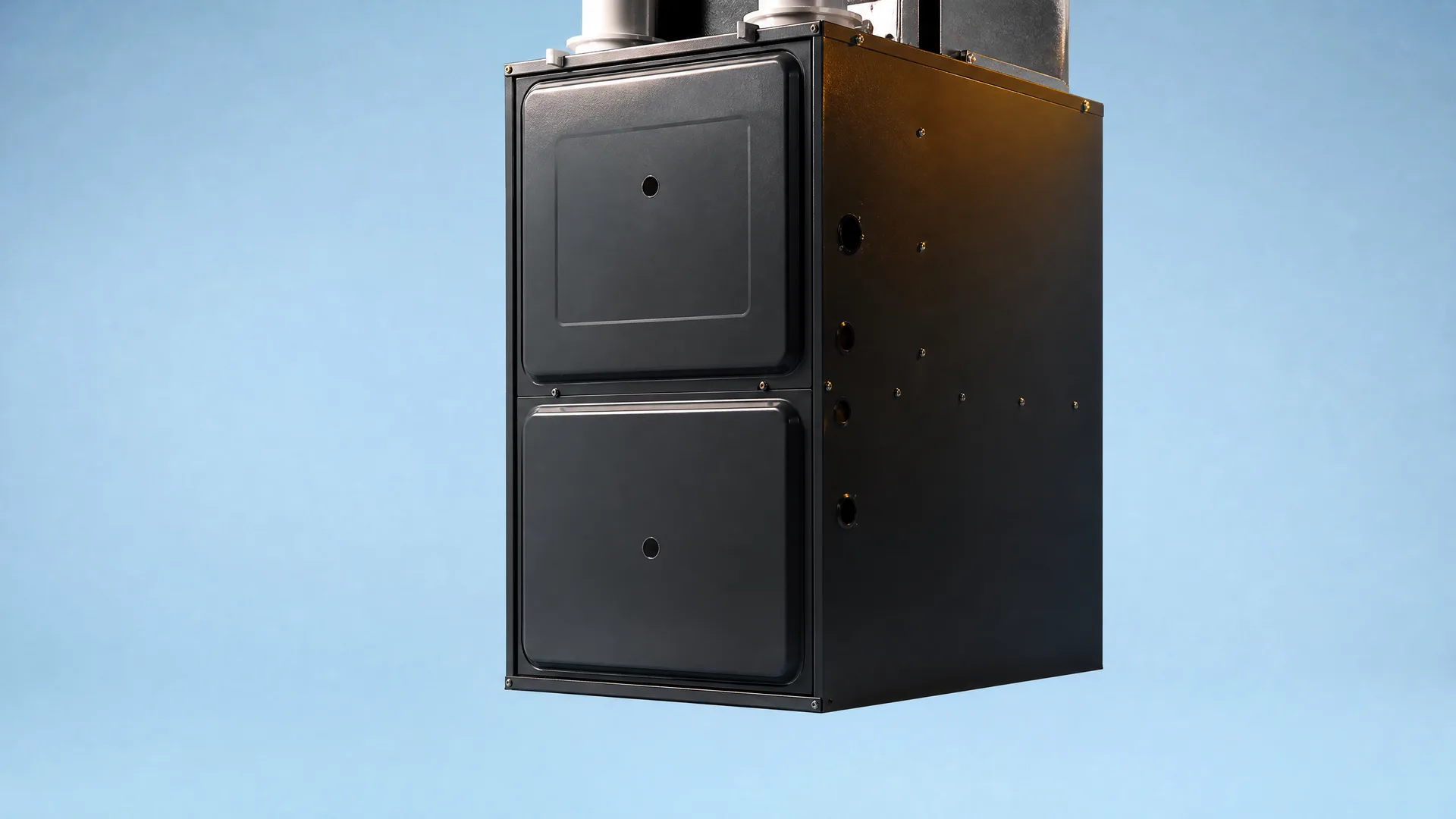
A standard furnace is built for this
Heat here runs about seven months, October through April, with overnight lows averaging 33°F through December, January and February. That's a furnace built for a mild winter, not an extreme one. Nevada needs heat for fewer months than most other states, and its nights run milder than most too. A standard efficiency unit, sized to the county as covered above, does the job without paying for capacity this climate won't ask for.
Taking out the old furnace
The old furnace does not just get unplugged and hauled off. Whoever installs the new one has to disconnect the gas line, pull the vent connection, and take the furnace out of the duct run before the new unit goes in. If it is a gas furnace, the gas line gets capped off safely the moment the old unit is disconnected, so there is no point where a line sits open. The vent or flue also matters here. Some old furnaces share a vent with a water heater, and pulling one out means checking whether the vent is still sized right for what is left running through it. Once the new furnace is in place, it has to tie into the same ducts, which is usually straightforward since the supply and return are already there. The old furnace itself gets scrapped, mostly for the metal. Refrigerant isn't a concern on a furnace the way it is on an air conditioner, since a furnace doesn't carry a sealed refrigerant charge.
Do it before you need it
Replace a furnace that still runs and you pick the week it happens. Wait for it to fail and you're picking between a cold house and whatever install date a contractor has open. Heat starts running in October here, so September is the month to get this done, before the house needs it. That matters more in a state where storms and winter outages can knock out power for a day. A furnace already in place before the cold sets in is one less thing to deal with when the weather turns.
Your furnace needs to be in and working before October, not after the first cold snap catches you without heat.
Tell us about the job
Takes about a minute. No obligation.
Fill out the form and a licensed Nevada contractor sized for your county's winters will reach out to you directly.