



Adobe-style desert homes with warm exterior lighting, saguaro cacti, and desert landscaping along a curved street at dusk, with mountains in the background.

Furnace Installation in Battle Mountain, NV

Tell us about the job

Takes about a minute. No obligation.

New system or replacementFurnace or heatingLander County, NV
Step 1 of 2

What ZIP code is the job in?

Natural gas ran $17.91 per million Btu in Nevada last year, one of the costs that lands straight on your bill every time the furnace fires. A furnace that wastes less gas doing the same job keeps more of that cost out of your pocket, all winter long. That's the whole case for paying attention to efficiency when you pick a new unit, not a brand name or a feature list. Ask what AFUE rating you're getting and what that means for the gas this furnace will actually burn in Battle Mountain.

9 months
September through May, your furnace is on duty
20°F
the average winter night it heats against
80% AFUE
the federal minimum any new unit must meet
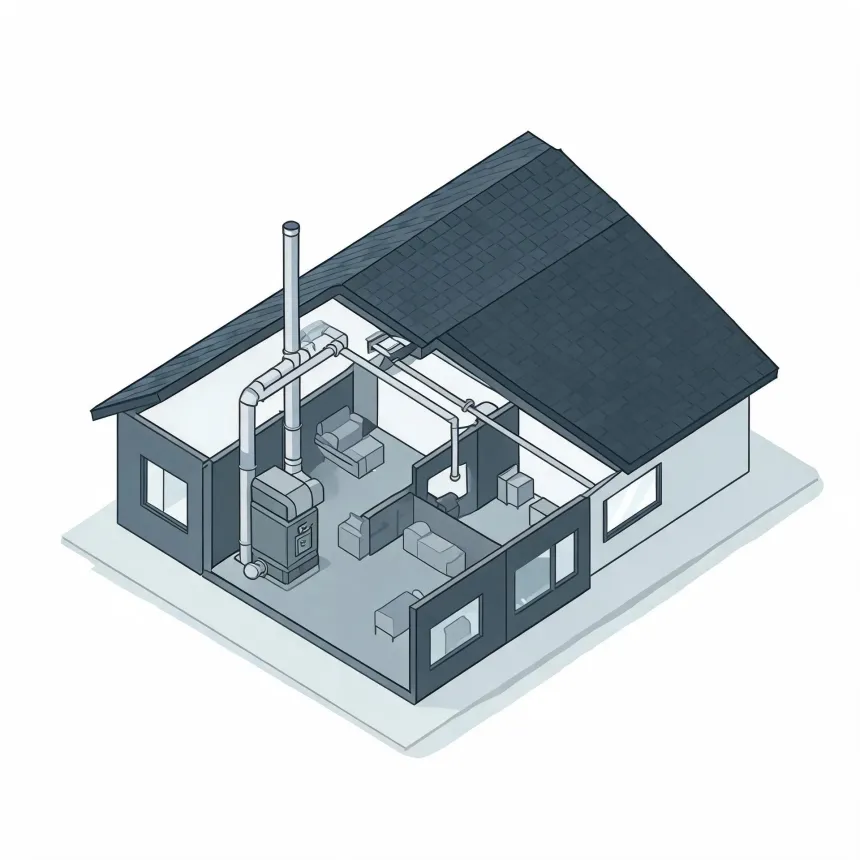
Isometric cutaway illustration of a single-story house showing interior rooms with furniture, a furnace unit connected to ducting and vertical flue pipes running through the roof.
Your furnace works hardest from November through April.

NOAA nClimDiv, 1991–2020 normals

Gas heats close to half the homes in Lander County.

If gas already runs to your house, a new gas furnace is the straightforward swap.

101 winter storms between 2015 and 2024. A standard furnace still gets the job done.

186 severe weather events from 2015 to 2024
13% of homes statewide lost power a day or more in 2024
82 damaging wind events from 2015 to 2024

Heat starts in September here and runs through May, nine months of the year. That's most of the calendar, which is exactly why you don't want to be picking a furnace in the middle of it. An install done in August happens on your schedule. Someone can take the time to size the unit right and get the ductwork connections done properly, instead of rushing to get heat back on in a house that's already cold. Wait until the first cold snap and you're choosing from whatever's in stock, on whatever day a contractor can fit you in.

Efficiency pays here

Power costs more here, so an efficient system pays you back on every bill.

Find a contractor
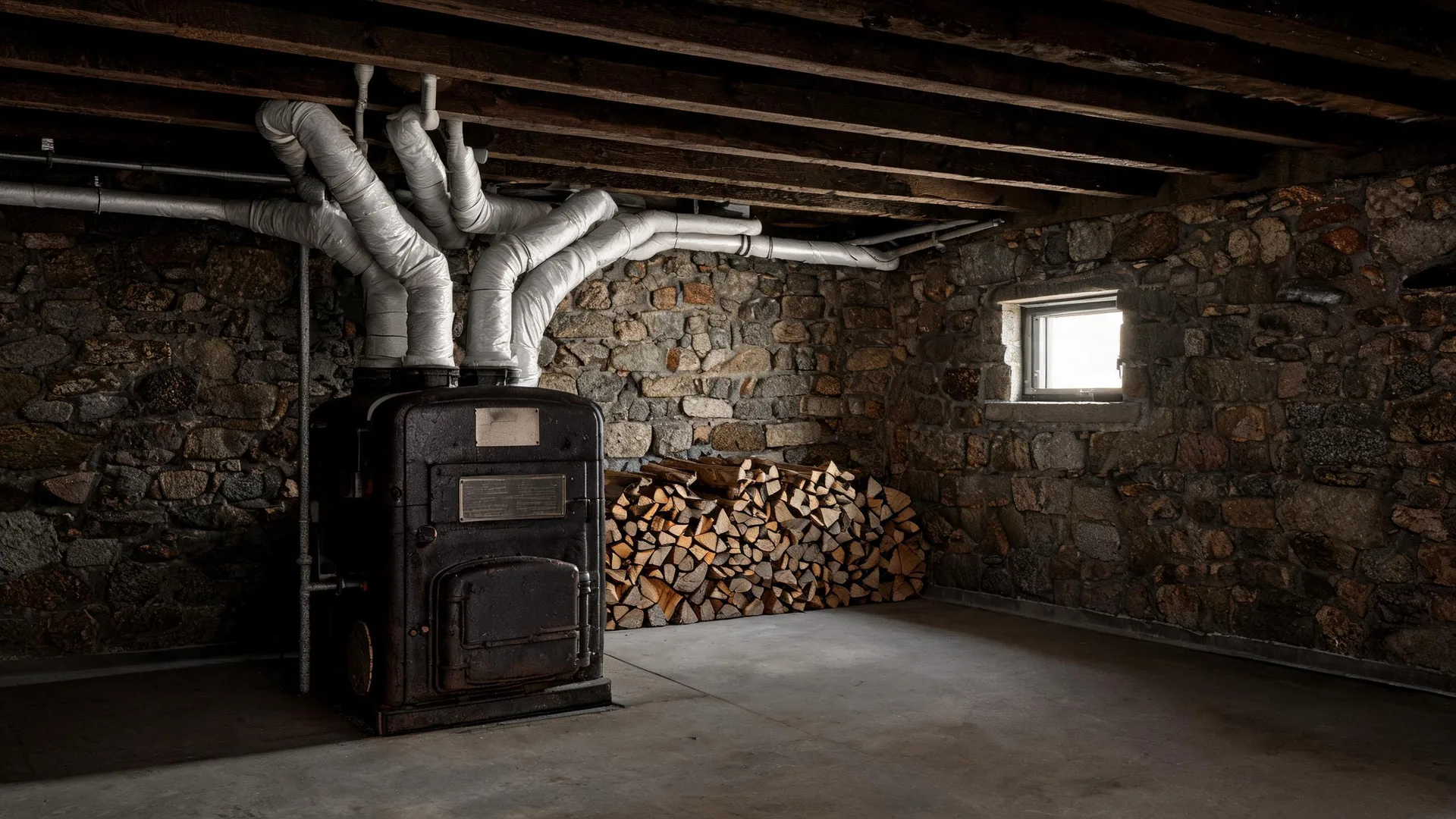
A gray gas furnace with attached ductwork and piping installed in an unfinished concrete basement.

A standard furnace fits whatever year the house was built

Half the homes in Lander County were built in 1986 or earlier, half later. Age alone doesn't call for anything special in a furnace. What matters is sizing it right for the house it's going into, and that holds whether the place is older or newer. Mobile homes make up half the housing stock here too, and if that's your situation, say so when you're getting quotes. A furnace for a mobile home carries a different certification than one for site-built construction. That's a fit question, not an upgrade question.

Bigger isn't better

A furnace sized too large heats the house fast, then shuts off, then fires again a few minutes later. That short cycling wears out the ignition system and the blower motor faster, and it leaves rooms far from the furnace cold while the room next to it overheats. The fix isn't a bigger unit. It's the right one.

The math behind the unit

Sizing a furnace means working out how much heat the house actually loses on the coldest days, room by room. A contractor measures the square footage, checks the windows and the insulation, and figures the heat loss from there. That number, not the size of the old furnace, is what decides the new one.

An unfinished basement containing a metal furnace with ductwork, exposed wooden joists on the ceiling, cardboard boxes, a coiled cable, and a single hanging incandescent bulb.

A high-efficiency gas furnace would save about $130 a year to run in Lander County compared with a gas furnace.

  • A high-efficiency gas furnace$660 a year
  • A gas furnace$790 a year

Estimates for a typical Lander County home, from EIA household energy data, Nevada fuel prices and NOAA climate normals. Your home will differ.

Install day starts with the old furnace coming out. That's when a contractor can see things a quote can't predict, like a flue pipe that needs resizing or a return duct that was never quite right. The new furnace gets set, leveled, and connected to the ductwork, the gas line, and the vent. Every joint gets sealed and checked for leaks before anything fires. Once it's hooked up, a contractor runs it through a full cycle, checking the flame, the temperature rise across the heat exchanger, and the airflow at the registers. Then comes the step that gets skipped the most. Gas pressure and blower speed need to be set to match this specific unit and this specific duct system, not just left on the factory default. A furnace running on the wrong settings will still heat the house. It just won't do it efficiently, and it won't last as long doing it.