 Hand it off
How to restart a furnace after a Nevada power outage
Once you send the form, finding a pro is off your list.
The power comes back on and the house is quiet. No fan noise, no warm air at the vents, and outside it's a Nevada winter night that doesn't forgive a furnace sitting dark for long.
Most of the time the furnace just needs to be told to start again. A gas furnace has a sequence it runs through, and a power outage can knock it out of that sequence even after the lights are back on. That part you can usually sort out yourself, and the rest of this page walks through it.
But sometimes the restart doesn't take. The furnace clicks, tries, and shuts back down. Or it never clicks at all. That's not a sign you did something wrong. It's a sign something inside it didn't survive the outage the way the rest of the house did, a control board, an igniter, a pressure switch that lost its position. No amount of flipping the switch fixes that.
That's the point where it stops being a job for trial and error. A local contractor who works on furnaces all winter has seen what an outage does to them and knows where to look first. You're not waiting on a call center reading from a script, and you're not fielding calls from three different companies trying to win the job. One licensed contractor near you gets the details, and it's theirs to handle.
Send the request and the search for who's available is off your plate. You don't have to figure out who's free tonight or who answers the phone this late. That part moves to someone else the moment you submit it, and what's left for you is waiting for your furnace to run again, not waiting on hold.
If the steps below get your furnace going, good. If they don't, the button on this page is the next step, not a bigger one.
Most gas furnaces don't restart on their own after the power cuts out, even once the lights are back on. The thermostat loses its setting, and the control board that runs the ignition sequence resets right along with it. So the fix is usually simple: go to the thermostat and set it a few degrees above room temperature, then wait. You should hear the inducer motor start, then the igniter, then the burners catching. If the furnace stays silent, check that the switch on the unit itself, the one that looks like a light switch near the burner compartment, is flipped on, and that the breaker for it didn't trip. Some furnaces also have a reset button on the control board. If you've done all that and still get nothing but cold air blowing or no response at all, the board or igniter may not have survived the outage, and that's a repair job, not a thermostat setting.
Winter nights average 33°F statewide
Nights here drop to around 33°F on average in December, January and February. That's cold enough that a furnace sitting dark for even a few hours will let a house lose its heat fast. If yours won't restart on its own, it's not something to leave until morning.
NOAA nClimDiv 1991-2020 county normals weighted by homes


Hand off the furnace problem
If you've gone through the restart steps and the furnace still won't fire, something past the thermostat needs a look, maybe the igniter, maybe the control board itself, and that's not something to keep testing on a cold night. A local contractor who works on furnaces all winter has seen this exact failure after an outage before and knows what usually gives out first. Sending the request puts it in front of one contractor near you, not a handful competing for the job, so you're not stuck fielding calls while your house sits cold. From here, finding someone to come look at it isn't on you anymore. That's worth doing now, while the house is still losing heat, rather than waiting it out until morning.
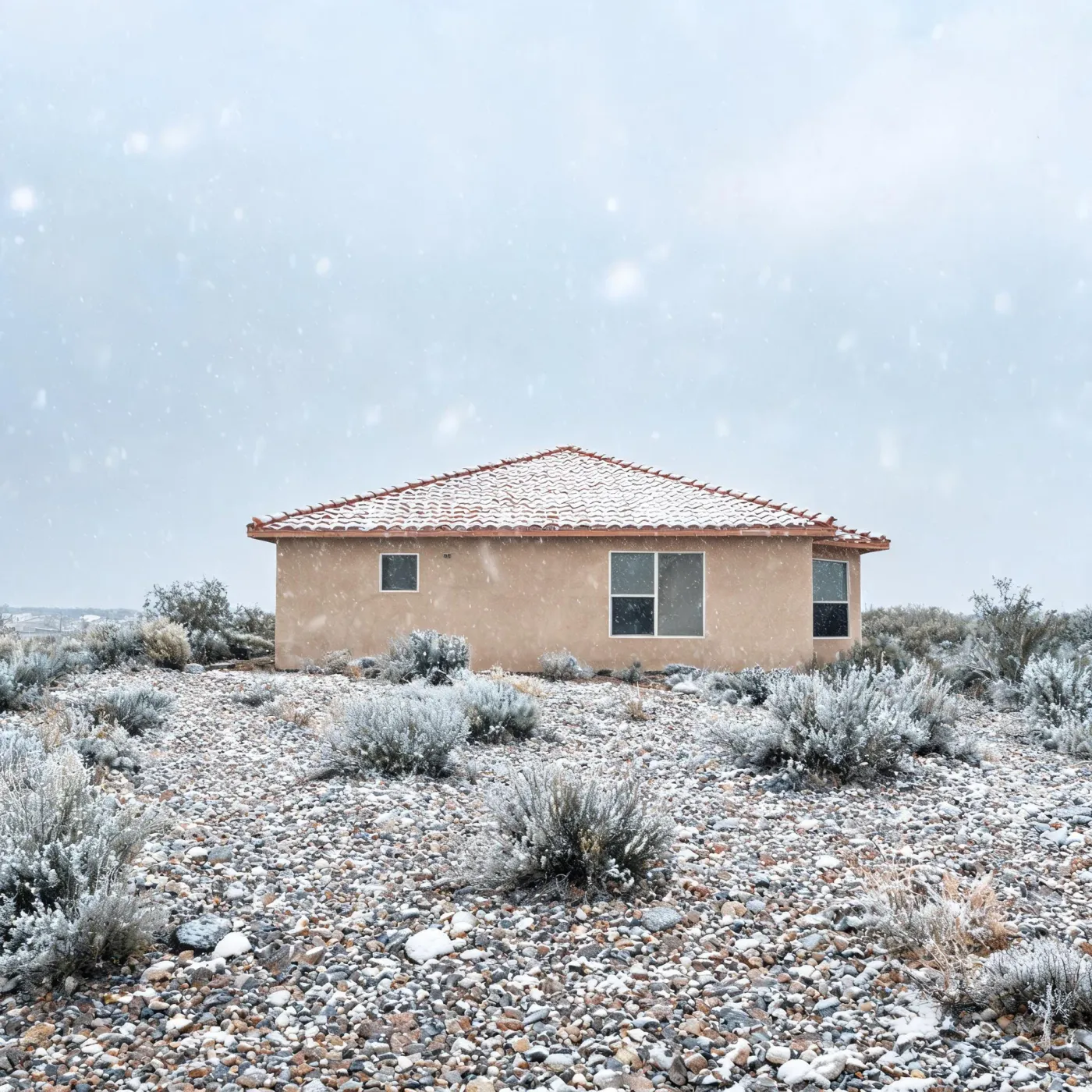
Winter nights average 33°F statewide, and that number hides how much colder it gets once you're away from Las Vegas. At that temperature, a furnace that won't relight does more than leave a room chilly. Heat loss through the walls and windows picks up speed, and a house that was warm when the power went out can feel noticeably cold within an hour or two of sitting dark. You'll notice it first at the floors and in any room with a window on the north side. If the pilot or ignition sequence isn't catching on its own, that gap only grows the longer the furnace sits off.
NOAA nClimDiv 1991-2020 county normals weighted by homes
Why won't the thermostat screen come back on right
Walk through the house and check what you're actually seeing. The thermostat screen might be blank, or it's lit but showing the wrong time and no temperature setting. At the vents, nothing. No click from the furnace closet, no hum starting up. If you put a hand near a supply vent, the air coming through is whatever temperature the house already is, not warm. Check a few rooms, not just one, since a furnace that's trying but failing might still move a little air without heating it. If the house has already dropped a few degrees since the power came back, that's worth noting too. A home that sits too long without heat on a cold night is harder on pipes and on anyone inside who's older or sick.






Where Things Stand Now
- Flip the breaker, reset the thermostat, and wait a few minutes before checking for warm air at the vents.
- A furnace that stays dark after those steps has a problem past the thermostat, not a power problem anymore.
- Nevada winter nights average around 33 degrees, so a furnace that won't relight needs attention the same night, not in the morning.
- The igniter and the control board are the two parts most likely to fail after an outage and neither is safe to keep testing alone.
- A local contractor who works on furnaces all winter knows which of those two usually turns out to be the cause.
- Getting matched with one licensed contractor means one set of hands on the problem, not a string of calls to sort through.
If the breaker's reset, the thermostat's set, and you've given it a few minutes, you know by now whether the furnace is back or not. Warm air at the vents means the outage was the whole problem and it's handled. Nothing at the vents, no click, no warm air after a reasonable wait, and the cause has moved past anything a reset fixes. At that point the furnace itself needs a look, most likely the igniter or the control board, since those are the two parts an outage tends to knock out. Neither one is something to keep testing on your own, and neither gets better by waiting until morning. Nevada winter nights sit around 33 degrees on average, and a house loses heat fast once the furnace has been sitting dark for a few hours. That's the real reason this isn't a wait-and-see problem once the easy steps are done. A furnace technician who works on these systems all winter has likely seen the same failure a dozen times already this season and knows which of the two it usually is before they even open the panel. Getting matched means one contractor, local, licensed to do the work, looking at your furnace specifically, not a handful of companies competing for the callback. The outage already happened. What happens next is just getting the right person to the furnace.


Furnace Repair
Send one request and you're done looking
The pro who reaches out is licensed in Nevada.
