
Heat Pump Installation in Nevada
Homes in Nevada are newer than in 49 of the other 49 states.
Tell us about the job
Takes about a minute. No obligation.
- 33°Fwinter overnight low where people live
- 7 monthsof heat, October through April
- 94°Fsummer afternoon high where people live
- 5 monthsof cooling, May through September
What does a heat pump in Nevada face?
How hot do summer afternoons get?
94°Faverage afternoon high where people live
Alaska66°F
Arizona101°F
How cold do winter nights get?
33°Faverage overnight low where people live
North Dakota4°F
Hawaii65°F
How many months does the heat run?
7 monthsof heating a year
Hawaii0 months
Alaska12 months
What does electricity cost?
15.00¢per kWh (kilowatt hours, the unit on an electric bill), what homes paid in 2024
North Dakota11.51¢
Hawaii42.86¢
How often do storms hit?
427severe weather events per county from 2015 to 2024
Alaska5
Wyoming1,057
How many homes lost power for a day or more?
13%of homes in 2024
Arizona7%
Maine54%
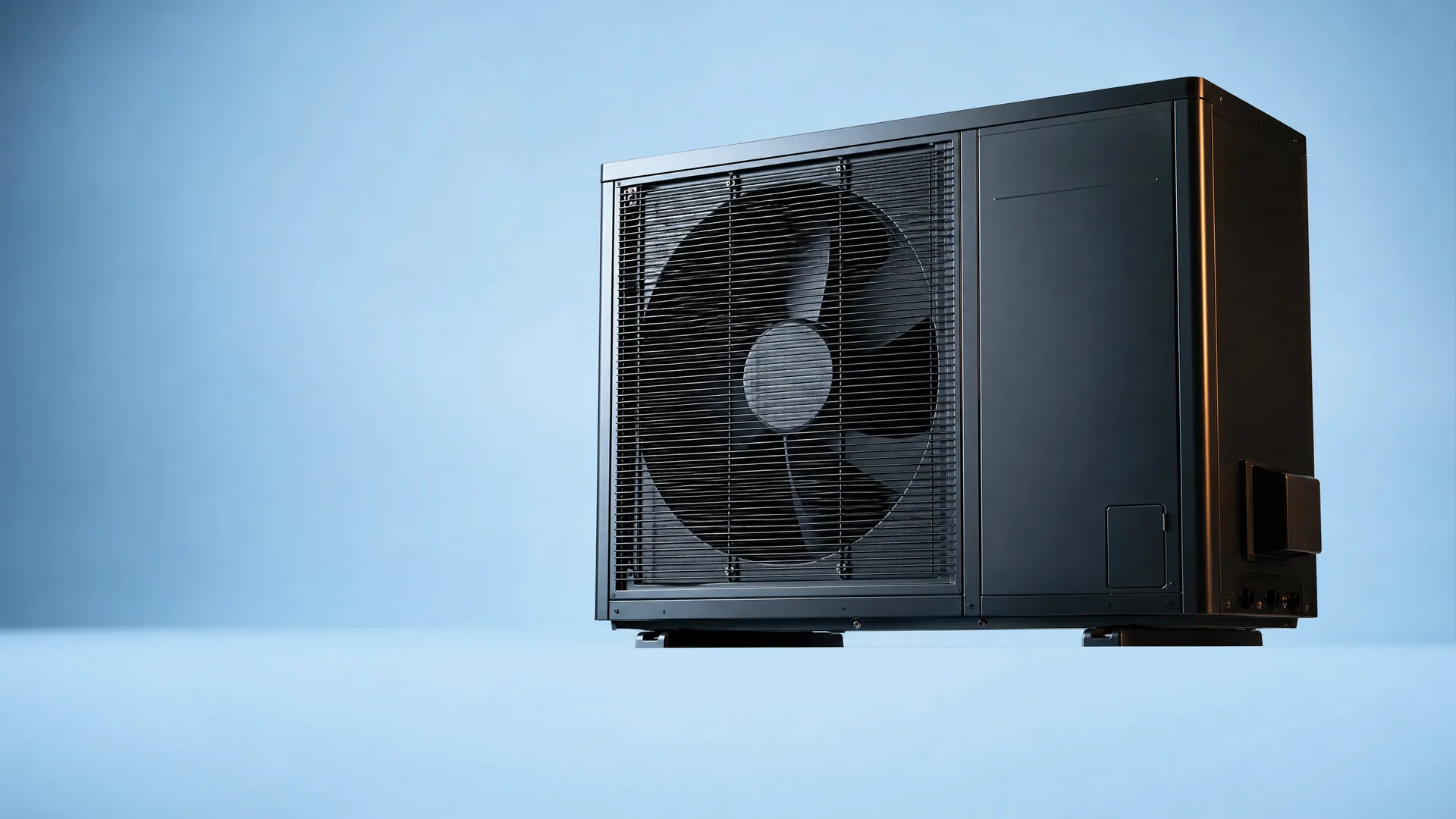
A system working most months of the year
A heat pump here works most of the year. Heat runs October through April, cooling runs May through September, so there's only a short stretch in spring and fall where it's doing neither. Getting the install right matters for both sides of that, not just the summer heat. Put it in before September and it's had a chance to prove out before the first cold night, instead of being tested for the first time during one.
Homes in Nevada's western counties need about three and a half times as much cooling over a year as homes in the eastern counties.
A heat pump sized for one side of the state is wrong for the other, so the install has to start with where in Nevada the house actually sits.

The right size, nothing more
A standard system, installed correctly, is what this job calls for
A standard heat pump sized to the house handles Nevada fine. Electricity here runs 15 cents a kilowatt-hour, more than in most other states, so the sizing matters more than it would somewhere power is cheap. A home running AC averaged 12.6 million Btu (British thermal units, a measure of heat) of electricity for cooling in a year. That's what a correctly sized system is working against. Going bigger than the house calls for doesn't add protection, it just cycles on and off more and costs more to run every month after it's in. The install worth paying for is the one matched to the square footage and the part of the state the house sits in, not the one with the biggest price tag.
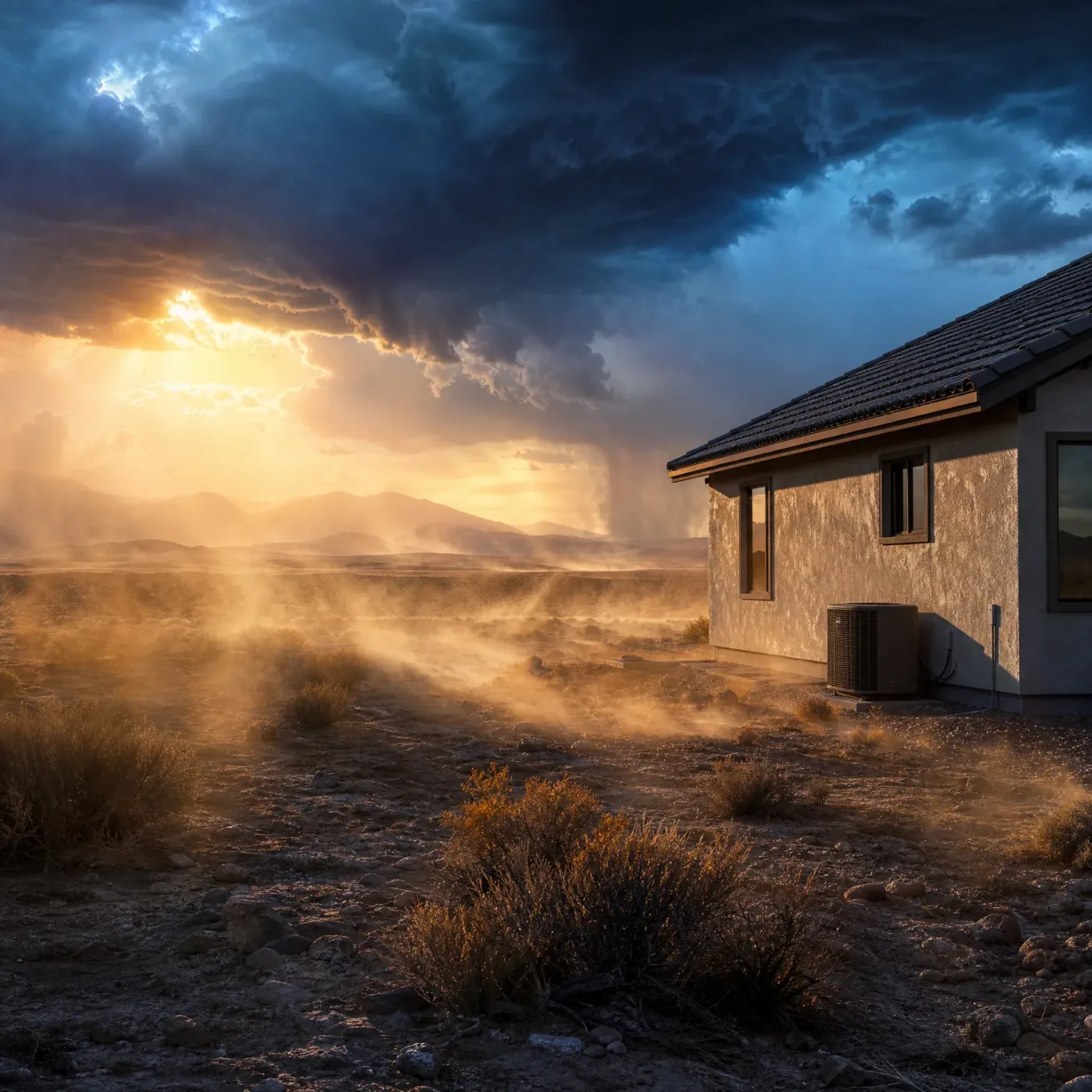
Nevada sees severe weather more often than most of the country, and Elko County carries the heaviest storm record in the state, with 792 events between 2015 and 2024. For a heat pump, the outdoor unit sits outside year-round, so this is worth planning around before it goes in, not after.
Damaging wind is the biggest piece of that record, with 1,882 events recorded, more than nearly every other state. Wind drives debris into the outdoor unit's coil and fan, and a strong enough gust can rock the unit on its pad if it isn't secured well. The strongest gust recorded in the state hit 109 mph.
Hail is less of a concern here than in most states, with 75 events recorded, the largest measuring 2 inches across. That's still large enough to dent a cabinet or bend fins if it lands on an exposed unit, even if it doesn't happen often.
Tornadoes touched down 11 times, the strongest rated EF1. That's a lower bar than the damage a tornado can still do to anything outdoors, including a heat pump's outdoor unit.
Winter storms are the other recurring event here, with 924 recorded, more than hail and tornadoes combined. Heavy snow and ice can bury or block an outdoor unit, and a heat pump needs clear airflow around it to work.
Lightning is rare by comparison, with 21 damaging events recorded, but a strike nearby can still take out the electronics that run the system.
Power outages matter as much as the storms that cause them. In 2024, 13% of Nevada households went at least a day without power, though that's a smaller share than in most other states with a figure. A heat pump does nothing for heat or hot water without power, which is worth factoring into how a home backs itself up.
Wind and storms test this system here. More than in most states.
- Western counties need about three and a half times as much cooling than eastern ones
- Winter nights average 33°F where people live
- Summer afternoons average 94°F where people live
- Heat runs October through April
- Cooling runs May through September
- 924 winter storms from 2015 to 2024

Severe weather hits Nevada more than nearly every other state.
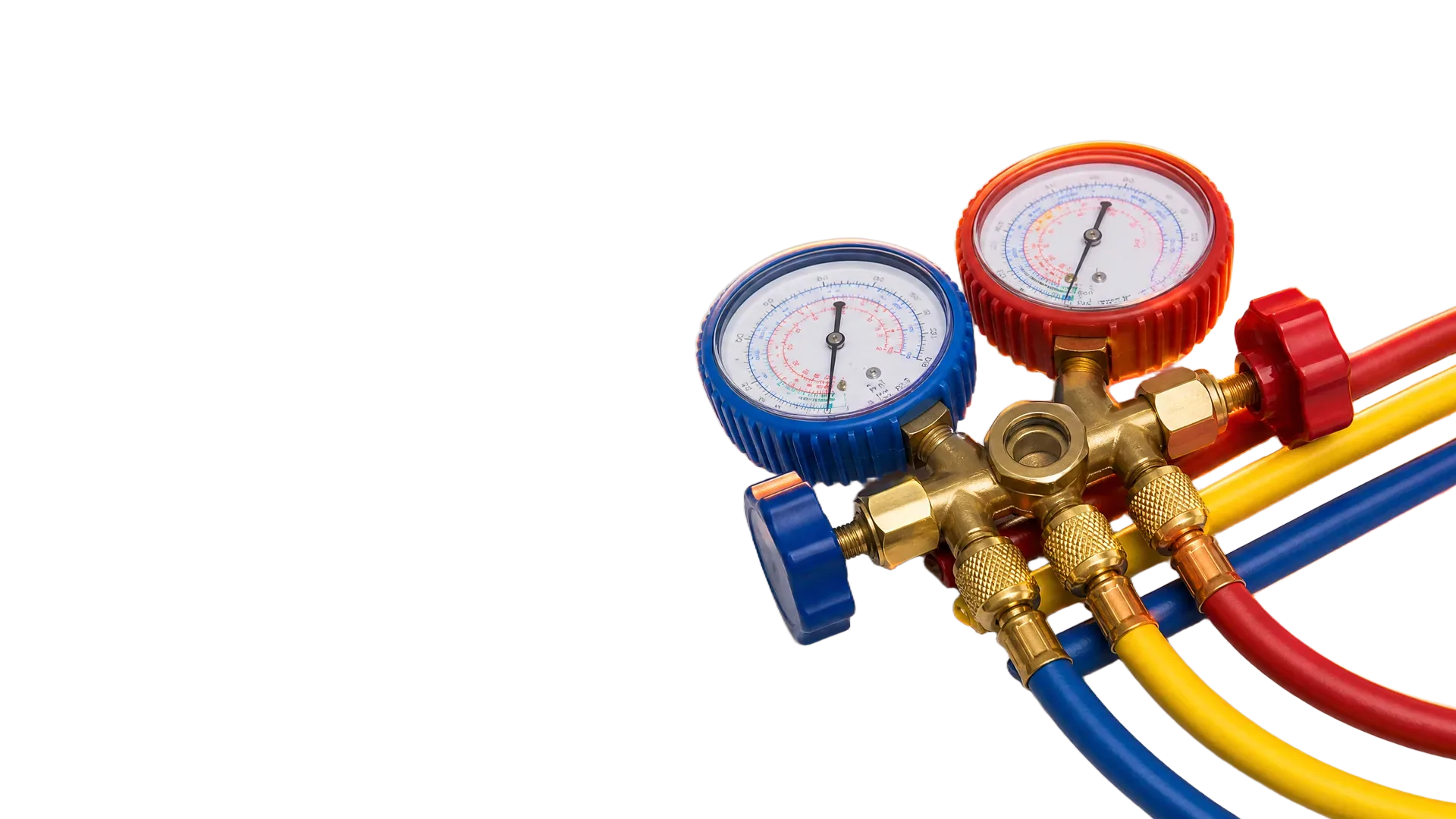
What the rating on the label actually tells you
The rating on a heat pump's label is a ratio. It compares the heat or cooling the unit delivers against the energy it uses to do it, and that's all it tells you. It says nothing about how much a given unit can heat or cool, and nothing about whether it's the right fit for the house it's going into. A higher rating usually comes from a variable-speed compressor instead of a simple on-off one, which is why those units tend to run in long low stages rather than blasting on and shutting off. That makes the house more even and the unit quieter, but it still shows up on the power bill, not in how fast a room changes temperature on any one day. None of that matters if the unit is the wrong size for the house. An oversized heat pump with a strong rating on the label will still short-cycle, switching on and off more than it should, and it'll cost more to run every month than a correctly sized one with a plainer rating. The rating is worth comparing once the sizing is right, not before.
Most homes here run on gas
Utility gas heats 58.9% of homes in Nevada, more than any other fuel. Electricity is next at 34.7%, with bottled or LP gas and fuel oil making up the rest. A heat pump installed in a home that currently runs on gas usually means the ductwork is already there, since gas furnaces push warm air through the same kind of system a heat pump uses. That's less true in a home wired for electric baseboard or resistance heat, where adding a heat pump can mean adding ducts along with it. Worth checking which one the house has before pricing anything.
Wind and winter storms hit Nevada more than most states, and the outdoor unit sits through all of it.
Tell us about the job
Takes about a minute. No obligation.
Fill out the form and a contractor licensed in Nevada sizes the system to your house.