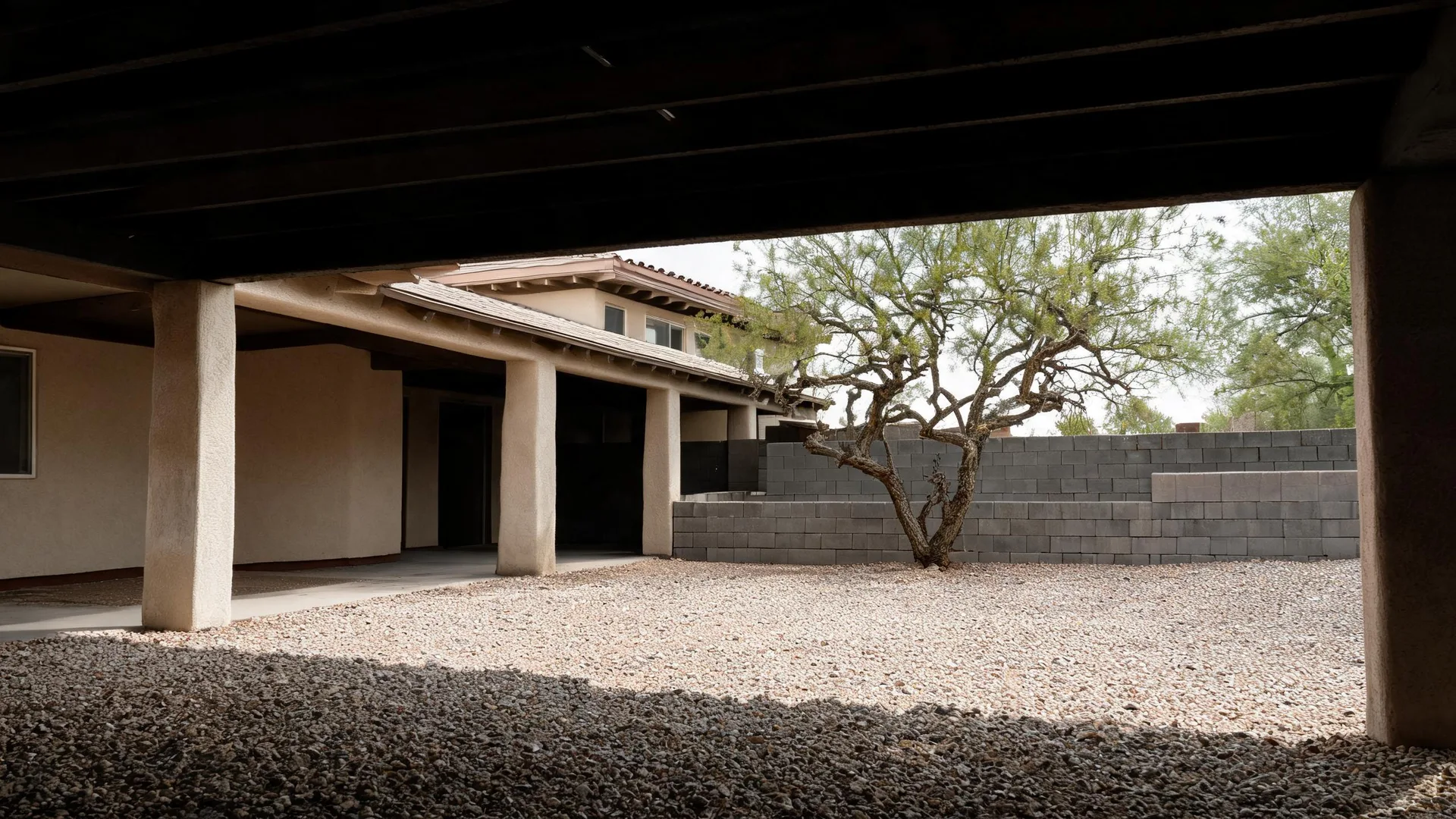




View from under a covered patio toward a single-story stucco house with a tiled roof, a gravel yard, a bare-branched tree, and a gray concrete block wall.

Heat Pump Installation in Reno, NV

Tell us about the job

Takes about a minute. No obligation.

New system or replacementHeat PumpWashoe County, NV
Step 1 of 2

What ZIP code is the job in?

Electricity in Nevada ran 15.00 cents per kilowatthour in 2024. A heat pump runs on electricity for both heating and cooling, so that rate applies to your system all year, not just one season. The difference between an efficient unit and a weak one shows up on every bill it generates, not just the largest ones. When you're comparing models, the efficiency rating matters as much as the price tag, because you'll be paying that per-kilowatthour rate for as long as the system runs in your house.

8 months
October through May, your system heats
2 months
July through August, it cools
23°F
the average winter night it heats against
84°F
the average summer afternoon it cools against
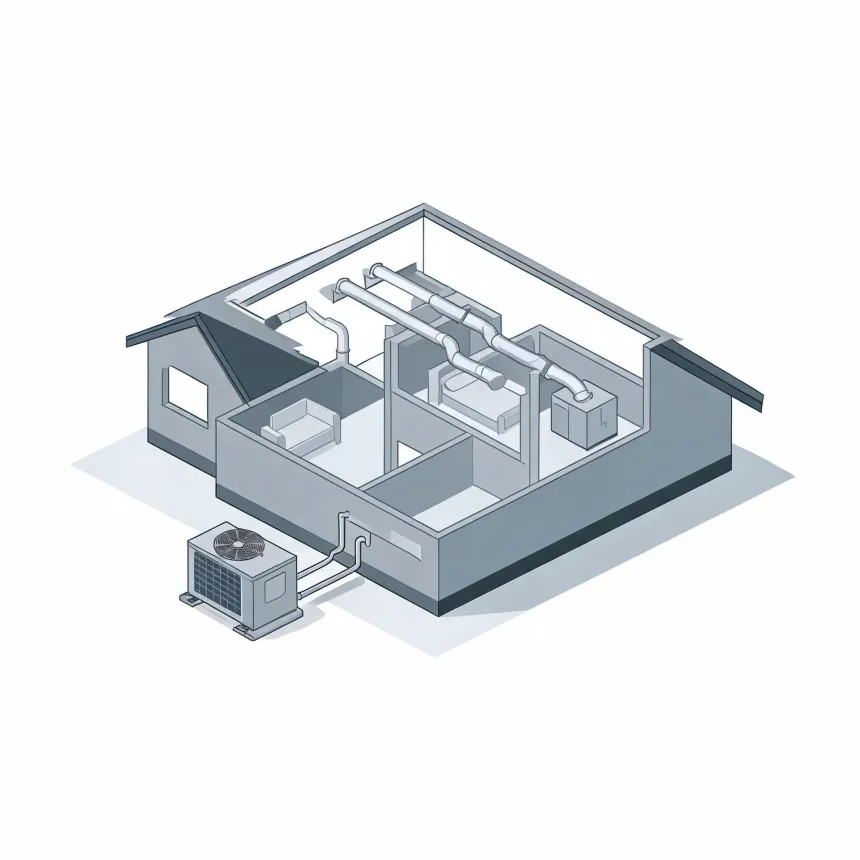
Isometric grayscale illustration of a cutaway house showing interior rooms, ceiling ductwork and an air handler, connected by lines to an outdoor condenser unit on a pad outside.
Your system heats October through May and cools July through August.

NOAA nClimDiv, 1991–2020 normals

Winter lows here average 23°F, cold but not brutal, and the county sees far more wind and snow than hail.

A heat pump in Reno isn't fighting extreme heat or extreme cold most of the year, so a well-built mid-range system holds up fine.

Heat runs eight months here, so get it installed before October

Cooling runs July through August
Heat runs October through May
343 damaging wind events from 2015 to 2024

Washoe County falls under zone 5B in the 2021 energy code. It's a cool, dry climate where heating carries the bigger load than cooling. Any split-system heat pump installed here has to clear federal minimums set for that climate. That means 14.3 SEER2 for cooling and 7.5 HSPF2 for heating. Those numbers are the floor, not the ceiling, so a contractor can still offer a model well above the minimum if you want lower bills over the life of the system. The rating applies to the equipment itself, not the size of your house, so a unit sized right for your home still has to clear that bar.

Most homes here run on gas. A heat pump install means doing electric right from the start.

Gas heats most homes in this county, electricity heats about a third, and a heat pump runs on electricity alone. Swapping in a heat pump means moving off the setup most of your neighbors have. That's not a problem, it just means the install has to be sized and wired for an electric system from the start, not patched onto gas equipment left behind. Worth settling before the season turns.

Find a contractor
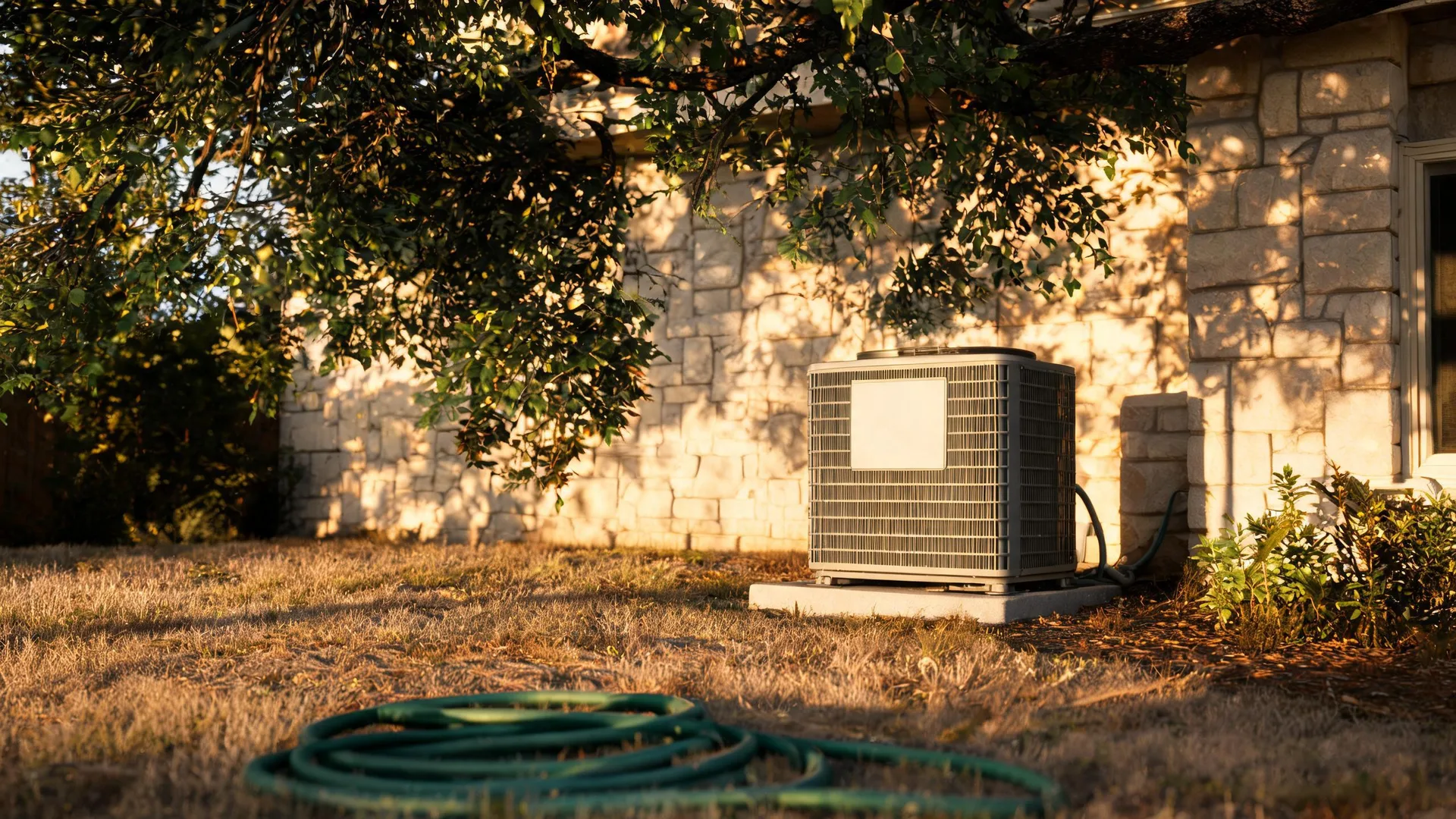
A dark gray heat pump unit mounted on a concrete pad next to a house with gray siding and a stone veneer wall.

This system runs most days of the year, ask what's built to handle that

A heat pump runs longer stretches than a furnace does, because it's providing both heat and cooling off the same equipment, so the compressor and fan motor log more hours over a year than a gas furnace ever would. That changes what's worth asking when you're comparing quotes. Ask what the compressor and fan motor are rated for, since those are the parts logging the hours. Ask whether the unit uses a variable-speed or single-stage compressor, because a variable-speed one ramps output up and down to match the load instead of cycling fully on and off, and that matters more on equipment that runs most days of the year. Ask what the warranty actually covers on the compressor versus the rest of the unit, since that's the part doing the most work over time. A system built for occasional use and one built to run daily can look identical on a spec sheet and wear very differently once it's installed.

The old system doesn't just unplug

If the home is coming off a gas furnace, that furnace, the ductwork connections, and sometimes the gas line itself get disconnected as part of the swap. A heat pump install isn't a straight equipment trade. The old equipment has to come out, and depending on what's there, the gas line may need to be capped off correctly rather than left live and unused.
What's reusable gets reused

Ductwork in good shape usually stays in place since a heat pump moves air through the same kind of supply and return lines a furnace does. What won't carry over is anything sized or wired for gas. A contractor checks the existing ducts for leaks or damage before connecting new equipment to them, rather than assuming they're ready as is.

A heat pump has to be sized to the house, not picked off a chart by square footage alone. The contractor works out how fast the house loses heat in winter and gains it in summer, looking at insulation, window area, and air leakage, then matches that load to a unit that can cover it. Too big and the system short cycles, switching on and off before it ever runs long enough to dehumidify the air or settle into steady output. Too small and it runs flat out on the coldest days and still can't keep up, leaving the backup heat to carry more of the load than it should. Either mistake shows up as uneven temperatures room to room and a system that wears out faster than it should. The sizing also decides what ductwork can handle, since a unit that moves more air than the existing supply and return lines were built for will push static pressure higher than the system is rated for.

Installation starts with pulling the old equipment, the outdoor unit first, then the indoor coil and whatever it's paired with. Line sets usually get run new rather than reused, since old refrigerant lines can carry contamination or just be the wrong size for the new system. Once the new equipment is set in place, the electrician makes the final connections, and the installer pressure tests the line set to check for leaks before any refrigerant goes in. Startup is its own step. The installer runs the system through a full cycle, checks the refrigerant charge, checks airflow, and confirms the thermostat is actually talking to the equipment. Before the crew leaves, walk the house with the installer and get a look at what was changed and what to keep an eye on.