Furnace Maintenance in Nevada
Homes in Nevada are newer than in 49 of the other 49 states.
Tell us about the job
Takes about a minute. No obligation.
- 33°Fwinter overnight low where people live
- 7 monthsof heat, October through April
- $17.91 per million Btuwhat homes paid for natural gas in 2024 (Btu means British thermal units, a measure of heat)
- 924winter storms from 2015 to 2024
What does a furnace in Nevada face?
How cold do winter nights get?
33°Faverage overnight low where people live
North Dakota4°F
Hawaii65°F
How many months does the heat run?
7 monthsof heating a year
Hawaii0 months
Alaska12 months
What does natural gas cost?
$17.91per million Btu, what homes paid in 2024
Montana$7.77
Hawaii$53.25
How often do storms hit?
427severe weather events per county from 2015 to 2024
Alaska5
Wyoming1,057
How many homes lost power for a day or more?
13%of homes in 2024
Arizona7%
Maine54%
What a September check catches
Furnace here sits unused most of the year, then gets switched on in October and runs straight through to April. That first cold snap is when a bad igniter or a clogged flame sensor shows up, usually on the night you need heat most. A check in September catches that before the season does. The technician tests the igniter, checks the flame sensor, and makes sure the system shuts off the way it should if something goes wrong. Nevada sees more severe weather and long power cuts than most states, and those don't wait for a convenient month. A furnace that has already been checked over is one less thing to worry about when the power comes back on.
What storm season leaves behind
Elko County has the heaviest storm record in the state, and wind is most of it. Damaging wind has hit Nevada more than all but a few other states, and the strongest gust measured came in at 109 mph. That kind of wind throws branches and debris at anything sitting outside, and your furnace's outdoor equipment takes that hit, not the furnace itself. What follows wind and winter storms is the power cut, and that part does reach the furnace. A furnace with a bad igniter or a dead flame sensor won't run on its own even once the power is back. Getting those checked before storm season means the furnace is ready the moment the lights come back on.
Why a gas furnace needs more than a new filter
Most homes here run on gas, and gas changes what a checkup has to cover
Gas heats 58.9% of occupied homes in Nevada, more than any other fuel. A gas furnace brings a burner, a flue and a set of safety controls into the picture, not just a blower and a filter. Checking it right means looking at how it burns and where the exhaust goes, not just whether air is moving through the ducts. The igniter and flame sensor matter, but so do the gas connections and the venting, and a furnace that's been skipped on that part can fail in ways an electric system simply can't.
Nevada's winters are short and mild one check before October covers it
- Eastern counties need about 73% more heat than western ones
- Winter nights average 33°F where people live
- Heat runs October through April
- 924 winter storms from 2015 to 2024
- Climate zones 3B, 4B and 5B across the state
- 13% of homes lost power a day or more in 2024
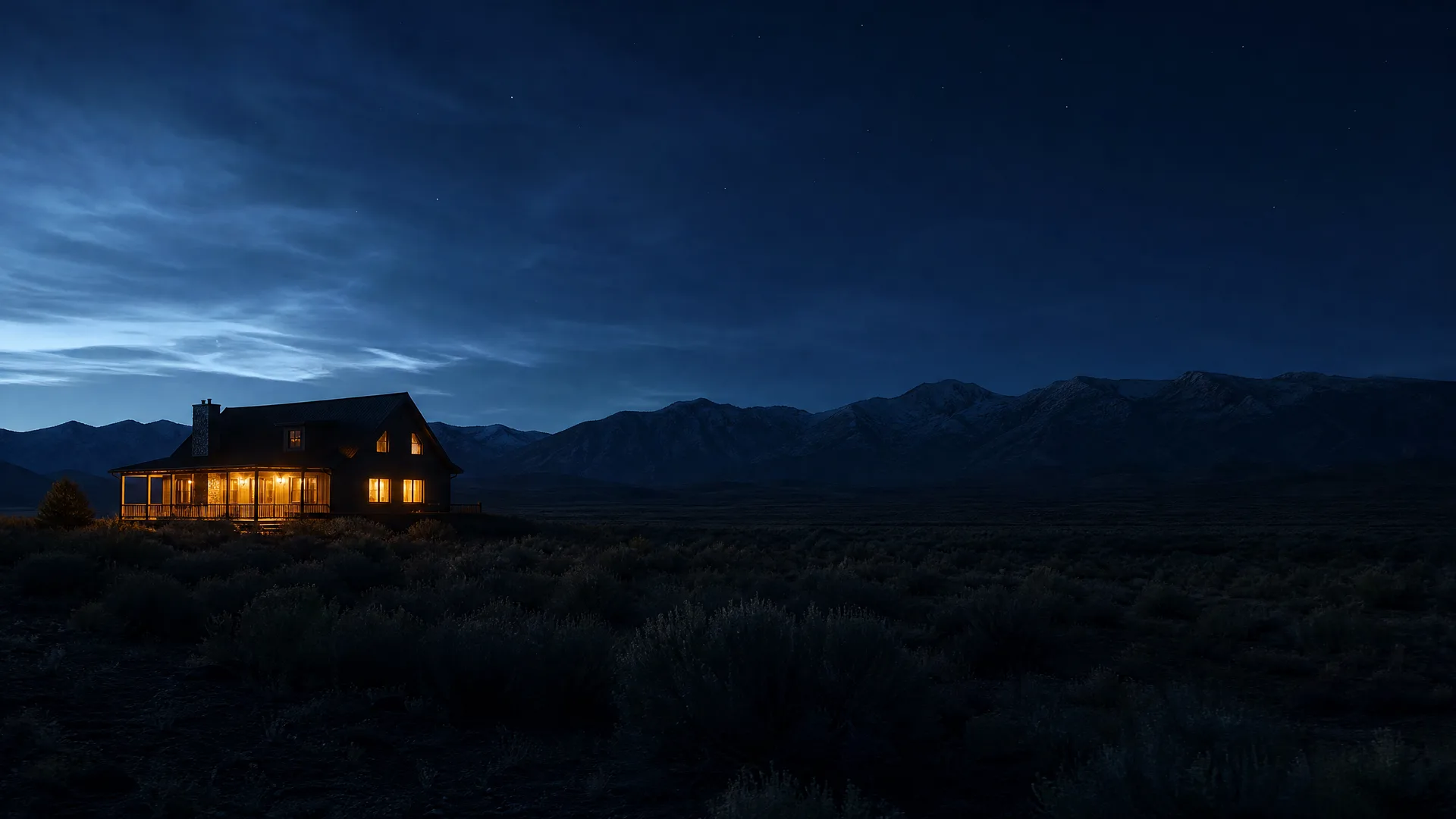
Newer homes, systems still worth protecting
Half the homes in Nevada were built in 1996 or later, and homes here are newer than in every other state. A furnace that age still has a lot of years left in it. A yearly check before the season starts is what keeps it getting to those years without a breakdown along the way.
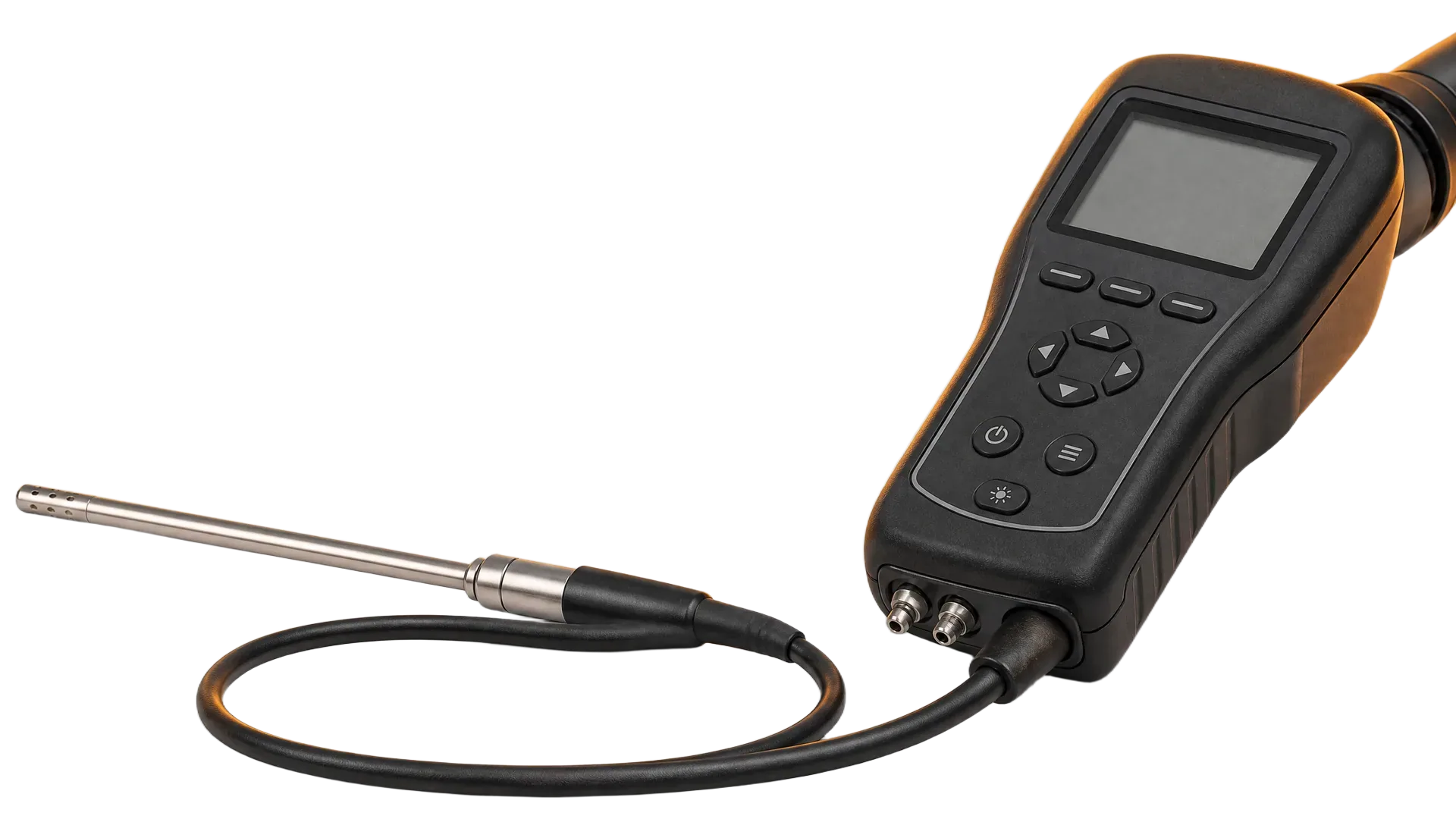
What a skipped check turns into
A furnace that runs without a yearly check doesn't fail all at once. Dust builds up on the burner and changes how the flame sits. A flame sensor coated in residue starts reading the flame as weaker than it is, until one day it reads nothing and shuts the system down. The igniter draws a little more each time it fires, and a weak one finally stops glowing hot enough to light the gas at all. None of that trips an alarm on its own. It just waits for the night you turn the thermostat up and nothing happens. A clogged filter works the same way, slower. Airflow drops, the heat exchanger runs hotter than it should, and the blower motor strains to push air through a duct system fighting back. Left long enough, that heat can crack the exchanger itself, which is a part nobody wants to replace mid winter. A check doesn't prevent every one of these. It catches the ones already underway, while they're still a cleaning or a part swap and not a cold house.
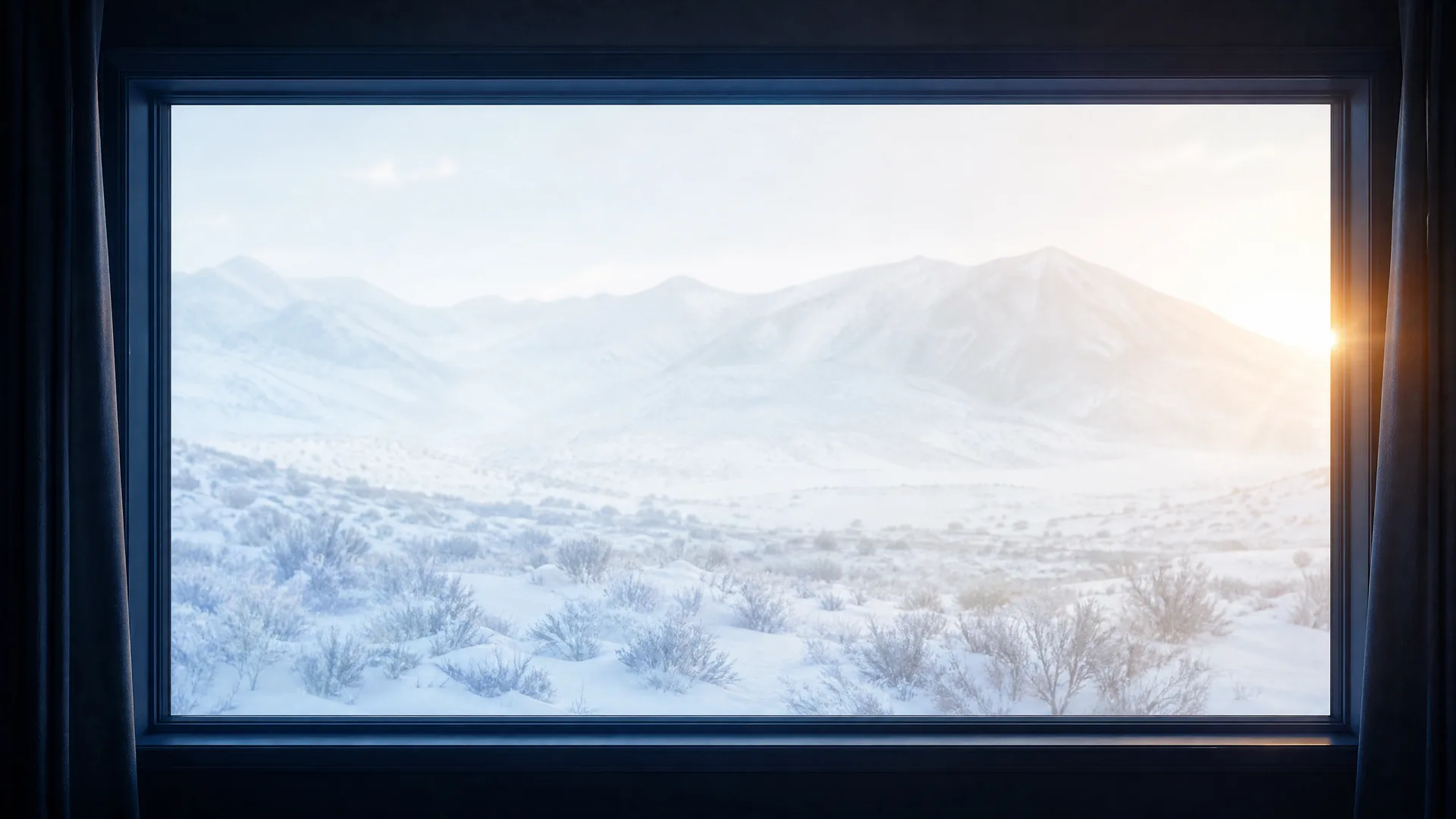
A dirty filter doesn't just choke dust out of the air, it chokes the whole system. Airflow drops, the heat exchanger has nowhere to shed its heat, and the blower works harder to pull air through a filter that's fighting it instead of helping. A furnace can run like that for a while, which is part of the problem. Nothing shuts off right away. The exchanger just runs hotter every cycle until metal fatigue sets in, and that's a crack you can't undo with a cleaning.
The drain matters more than people expect on a high efficiency furnace, the kind that condenses moisture out of the exhaust instead of venting it all as gas. That condensate has to go somewhere, and the drain line is how it leaves. Let that line clog with sediment or algae and the furnace senses the backup and locks itself out rather than risk flooding its own components. No heat, no obvious cause, until someone traces it back to a few inches of blocked tubing. Coils don't come up much with furnaces, since that's the air conditioner's job, but the same duct system carries air across both. A furnace pushing air through a coil caked in dust is working against the same kind of resistance a dirty filter causes, just from the other end of the line.
Nevada sees more damaging wind than almost any other state, and your outdoor equipment takes the hit first.
Tell us about the job
Takes about a minute. No obligation.
Fill out the form once and a licensed contractor in Nevada calls to schedule your furnace check.