Eureka County gets hit with winter storms a lot. Heavy snow, ice, blizzards, 101 of them over the last ten years. That is most winters with more than one. Add 97 damaging wind events in the same stretch and you have a furnace that works hard most nights it runs at all. A furnace checked once a year, before the cold sets in, is less likely to quit on one of those nights. One visit a year, timed before winter, covers it.
Furnace season in Crescent Valley starts in September.
Get it checked in August, before it has to work.
Ten months of heat a year wears a furnace down fast
Heat runs September through JuneWinter nights average 18°F101 winter storms from 2015 to 2024
Older homes, older furnaces, same yearly checkHalf the homes here were built in 1988 or earlier, half of them mobile homes.
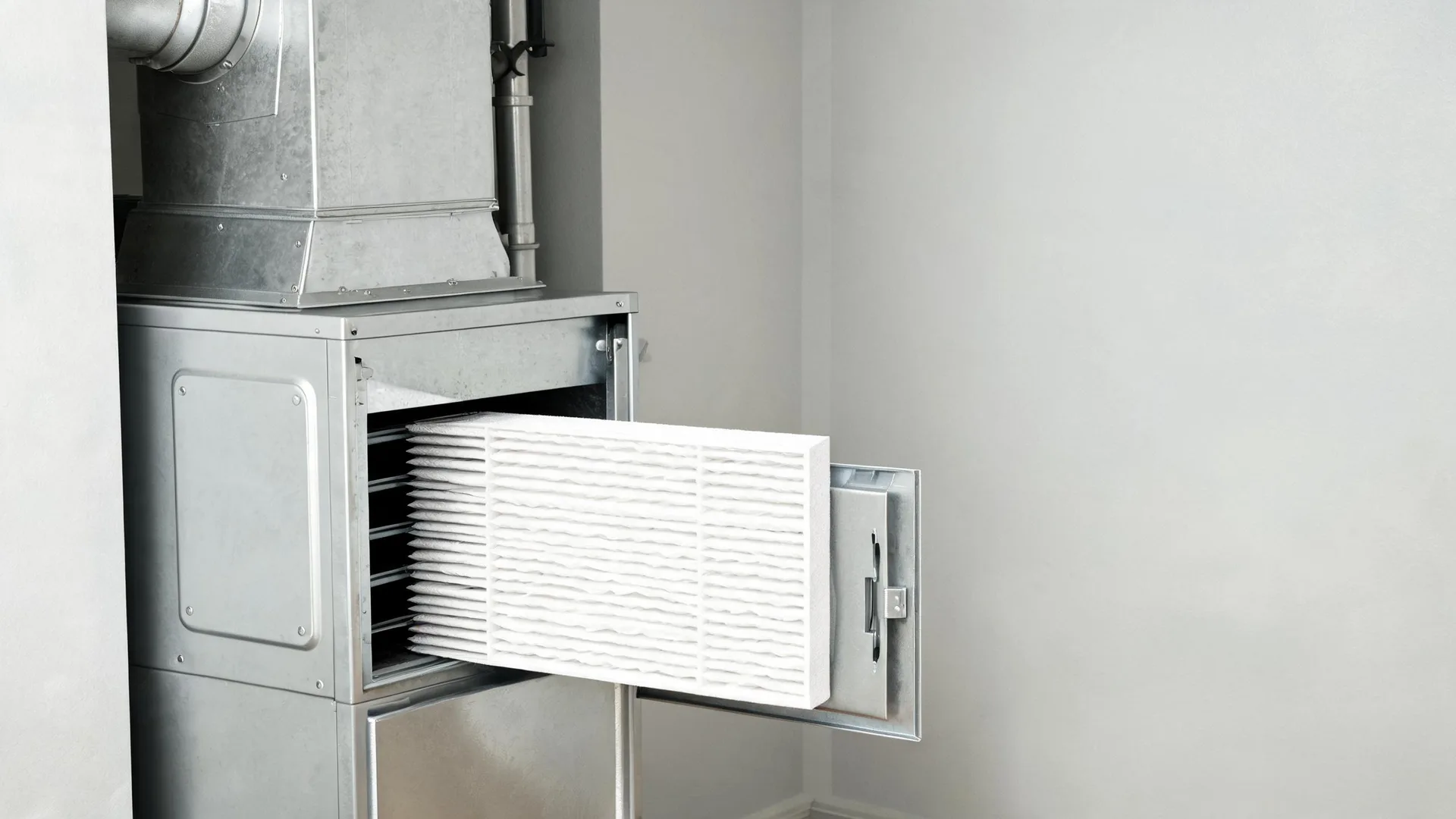
Between visits, the main thing worth doing is checking the filter. A dirty filter chokes airflow, and a furnace starved for air runs longer and hotter than it should. Look at it once a month during the season and swap it when the light won't pass through it. Keep the area around the furnace clear too, nothing stacked against it, no boxes blocking the return air grille. If the furnace has a standing pilot, make sure that small flame stays steady and blue, not yellow or flickering. Past that, leave the cover panels alone. What's inside is for a tech to open up, not something to check yourself between visits.
A tune-up that only takes a few minutes probably skipped something
A quick visit gets you a filter swap and a glance at the flame. A thorough one gets the cover off. The tech should pull the burners and look at them, not just listen to the furnace run. Flame sensors get cleaned or replaced, not wiped once and called good. The igniter gets checked for hairline cracks, since that is how most of them fail, a little more each season until they quit outright. The blower wheel gets pulled and cleaned if it is caked with dust, because a dirty wheel throws itself off balance and makes the motor work harder to push the same air. Someone should check the flue for a solid connection and look for soot or scorch marks that say something is burning wrong. Gas pressure gets tested, not assumed. A real check ends with the panels back on tight and the thermostat cycled to watch the furnace actually fire and run a full heat cycle, not just hum for a minute before the tech packs up.
The furnace won't tell you itself
A furnace can run right up until the day it doesn't. Cracked heat exchangers, worn igniters and failing blower motors rarely announce themselves early. Most show small signs first, a longer delay before the burners catch, a faint burning smell that clears after a minute, a blower that sounds different than it used to. Easy to miss if nobody's looking for them.
Short cycling means something's working against itself
A furnace that kicks on, runs a few minutes, then shuts off before the house warms up is fighting something. Could be a clogged filter choking airflow, a cracked flame sensor misreading the fire, or a blower pulling too much or too little air. Left alone, that constant restarting puts more wear on the ignition system than a full season of normal runs would.
Skip the yearly check and a furnace doesn't fail all at once. Dust builds up on the burners until they burn uneven instead of clean. The flame sensor picks up a film that keeps it from sensing the flame right, so the furnace shuts off a few seconds after it starts, then tries again, then quits. A blower motor caked in dust works harder to move the same air, and a motor working harder burns out sooner than one that was cleaned. None of this shows up on day one. It shows up as a furnace that runs a little rougher each month until the night it doesn't run at all.
A tune-up is also when a tech checks the things a homeowner never sees from the vent cover. Every furnace draws in air for combustion and has to get rid of the exhaust, and that exhaust carries carbon monoxide. A cracked heat exchanger can leak that exhaust into the air the blower pushes through the house, and you won't smell it or see it. Part of a real check is testing for that leak directly, not guessing from how the furnace sounds. The tech should also test the carbon monoxide detector itself, since a dead battery there defeats the one backup that catches what the furnace check might not. None of this takes long, but skipping it means the furnace could pass every other test and still be the one thing in the house worth worrying about.