Why your furnace filter gets dirty fast in Nevada

Answer a few questions instead of calling shop after shop.

Skip the calls

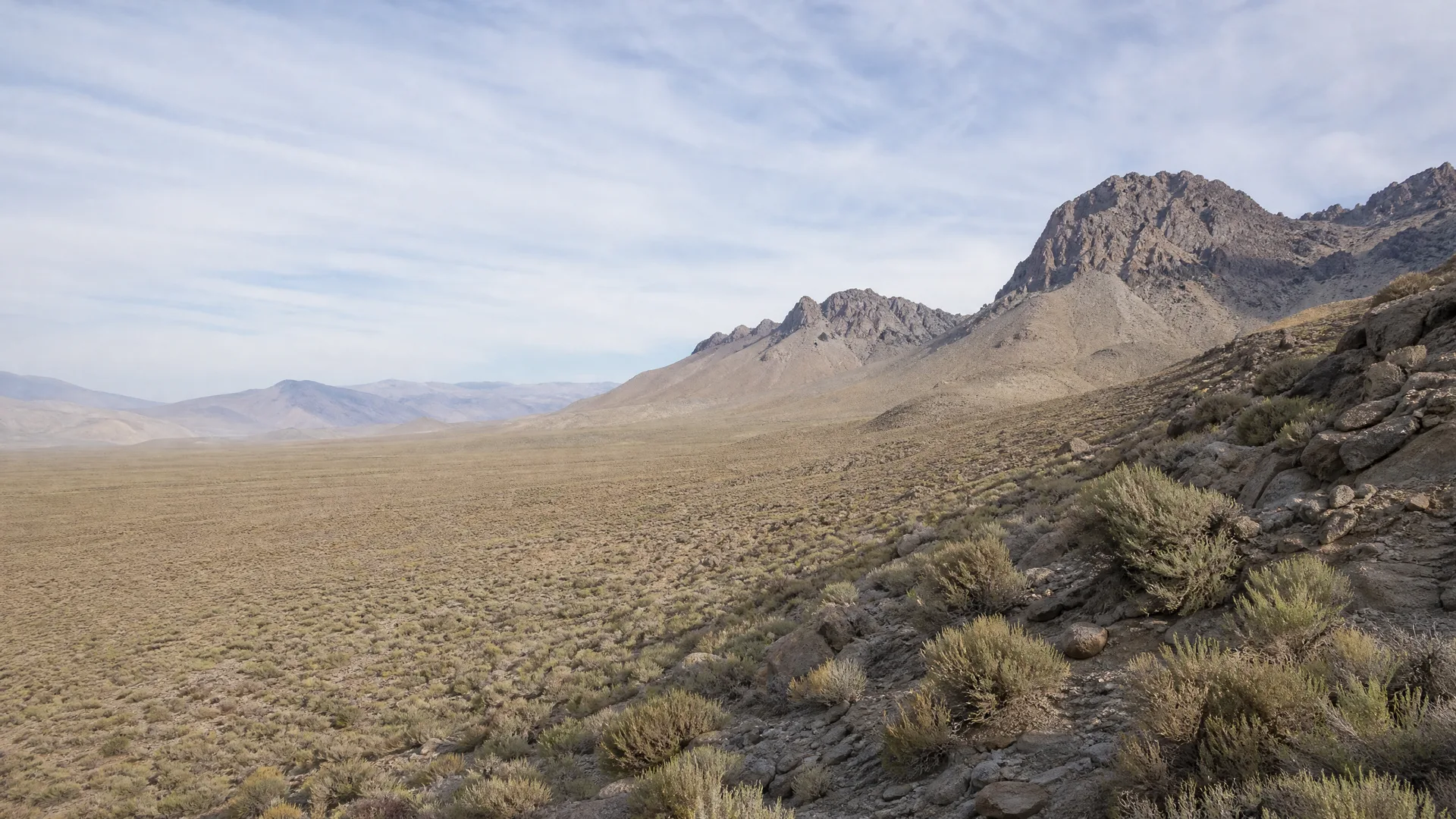
Your filter is catching dust, and Nevada air carries more of it than most places. The ground here is dry most of the year, and dry ground throws dust into the air every time the wind picks up or a car passes on a gravel road. Your furnace pulls that air through the filter every time it runs, so the filter loads up faster than it would somewhere with more rain to keep the dust down. It isn't a sign your furnace is broken or your filter is the wrong kind. A filter that's gray and caked after a few weeks is doing its job in a place where the air needs it. Left too long, it chokes airflow, and the furnace works harder to push air through it. Checking it monthly, instead of waiting for the usual swap schedule, keeps that from turning into a bigger problem.

  1. Dry dust from outside gets pulled into your return vents.

  2. The blower draws that air across the filter nonstop.

  3. Fine grit builds up in the filter weave fast.

  4. Airflow drops as the dust packs the filter tighter.

A smiling woman with dark shoulder-length hair in a cream V-neck sweater sits at a marble counter with a glass of red wine, with a kitchen and softly lit living room behind her.
A woman in a dark green sweater laughs while seated at a marble kitchen island with a glass of red wine, with open shelving, cabinets and a living room visible behind her.
A woman with long dark hair in a cream knit sweater laughs while looking off to the side, seated at a counter with a glass of red wine, in a dimly lit living room with a sofa, lamp, framed pictures and houseplant behind her.
A smiling woman with long dark hair in a beige sweater sits at a marble kitchen counter with a glass of red wine, with a dimly lit living room behind her.

How often should I change my furnace filter in Nevada?

You've already seen why the filter loads up fast here, so now you want a number you can actually use. Most filter boxes say to swap them every 90 days, but that's a national average built for places with less dust in the air, not for a yard that blows grit across the intake every time the wind picks up.

Check it monthly, replace it every 30 to 60 days

A filter rated for 90 days somewhere else won't make it that long here. Pull it out once a month and hold it up to a light. If you can't see through it, it's done, regardless of what the calendar says. Most homes here land on a 30 to 60 day replacement, shorter if you're near unpaved road or open desert, longer if your yard is landscaped and the intake sits away from the wind. Gas furnaces run for months straight once the weather turns, and a packed filter during that stretch forces the blower to work against airflow it doesn't have. Checking monthly costs you nothing and tells you exactly where your house falls in that range.

A furnace in a dim basement with a dirty pleated air filter partially pulled out of its slot, beside a water heater and concrete walls and floor.

You're down in the basement on a Saturday afternoon in October, and you finally pull the filter to check it like you'd been meaning to for weeks. It slides out halfway and stops you cold. Grey dust coats the whole face of it, thick enough that you can't see daylight through the weave anymore. You run a finger along the edge and it comes back dry and chalky. The furnace is still running behind you, the blower humming along, pulling air through what's left of the gaps. You think back to the dust storm that blew through a few weeks ago, the kind that leaves a film on the windowsill by morning. You set the filter down on the concrete and go looking for a replacement box upstairs.


A closed laptop and a cream mug of coffee on a coaster sit on a dark wooden table, with a potted plant at left and a kitchen counter, tiled backsplash and shelf of ceramics in the background.

What a clogged filter does to your furnace

A clogged filter doesn't stop your furnace from running. It stops it from breathing right. The blower still pulls air, so it pulls harder through the dust packed into that filter, and that strain lands on the motor. Run it like that for a few winters and you're looking at a motor that burns out early, or a heat exchanger that cracks from running hotter than it should. Either one costs a lot more than a filter.

You'll notice it before it breaks. Rooms that used to heat evenly start running cold, especially the ones farthest from the furnace. Your gas bill climbs because the system runs longer to push the same amount of heat through a choked filter. If you've gotten this far, you probably don't want to spend an evening calling around to find someone who'll actually show up, explaining the same thing to three different companies, then sorting through quotes that don't match. A local contractor who services furnaces through Nevada winters already knows what a clogged filter does to a blower motor out here, and what to check first.

A gray upholstered sofa with a textured cushion sits beside a dark round side table holding a vase of green foliage, with a table lamp and sheer-curtained window behind.
A gray high-efficiency furnace in a basement with white PVC vent pipes, sheet-metal ductwork, copper and black piping, a condensate pump, and insulated walls above a concrete floor.

A furnace that's getting clean air

The ductwork is tight, the drain lines run clear, and the filter is doing the job it's supposed to do. Air moves through easily, the blower isn't straining, and nothing downstream is catching dust that should have been stopped upstream.

A beige residential furnace stands on a concrete basement floor beside galvanized sheet-metal ductwork, a round flue pipe, copper gas piping, and a PVC condensate line, with a wood-paneled wall at right.

A furnace that's been breathing dust for years

Light grime on the cabinet and panels is dust that got past a filter changed too late or too rarely. In a house pulling in Nevada's dry, blowing dust, that grime builds up on parts never meant to collect it, and it doesn't wipe off on its own.

Checking It Yourself vs. A Maintenance Visit

Checking it yourself

  • You still have to remember to do it, and a filter that's packed with Nevada dust doesn't wait for a convenient Saturday.
  • You can see dust on the face of the filter, but you can't see a cracked heat exchanger or a blower motor that's starting to strain.
  • Finding someone to look deeper means searching, calling a few companies, and explaining the same thing more than once before anyone shows up.
  • A filter swap doesn't tell you whether the ductwork is sealed tight or whether dust is getting in somewhere the filter never catches it.
  • You're guessing at how often your house actually needs it, since 90 days is a number built for places with less dust in the air than Nevada has.

A maintenance visit

  • A local contractor who services furnaces all summer in this dust knows which parts usually show wear first in a house like yours.
  • One contractor comes out, looks at the filter, the blower, and the ductwork together, instead of you piecing it together filter change by filter change.
  • You're not fielding calls from five different companies trying to win the job, just the one who's already local and already knows gas furnaces.
  • A visit catches a blower motor working harder than it should before that strain turns into a repair you didn't see coming.
  • You get a straight answer on how often your filter actually needs changing, based on your house and not a box label written for somewhere else.
A smiling bearded man in a navy sweater sits at a candlelit dinner table with a glass of red wine, a bowl of salad, and plates of food in the foreground.
A woman with dark hair in a bun reclines on a sofa with her eyes closed, wrapped in a cream fleece blanket, a closed blue hardcover book resting in front of her, with a lit lamp and a vase of dried flowers in the background.

Skip calling around

Only one pro gets your request, so you hear from one company.

It costs nothing to send, and you don't have to hire anyone.

A gray high-efficiency furnace stands on a concrete basement floor beside galvanized sheet-metal ductwork, white PVC vent pipes, copper and black piping, and unfinished wood stud framing.

Running clean

This is a furnace getting air through an unclogged filter. The blower moves air across the coil without straining, the burners fire and shut off on a normal cycle, and the ductwork overhead carries warm air where it's supposed to go. Nothing here is working harder than it has to.

A gray furnace with two access panels stands on a concrete basement floor beside sheet-metal ductwork, with pipes, flexible conduit and an electrical box on the concrete wall to the left.

Running clogged

Same furnace, same basement, but the filter behind one of those panels is packed with dust and the blower is pulling against it. The motor runs longer to push the same air through, and the burners cycle more to make up for what the ducts aren't delivering. Nothing about it looks different from outside.

A beige gas furnace with a metal flue pipe stands in a basement against concrete block walls, beside sheet-metal ductwork, copper and white plastic pipes, and a water heater at right.
Before you get your furnace maintenance
A gray high-efficiency furnace with white PVC vent pipes stands beside sheet-metal ductwork and a water heater in an unfinished basement with concrete walls and wood framing.
After you get your furnace maintenance

90 days

That's the swap interval printed on most filter boxes. It's based on average air, not the dust load Nevada's dry ground throws into yours.

Describe it once

One visit, both checked

A local contractor can swap the filter and check the blower and coil for the dust that already got past it.

Describe it once

Why does your filter look dirty before the season's even over?

Pull your filter and hold it up to the light. If you can't see light through it, it's already past working right. You might notice the vents blowing weaker than they did a month ago, or a room that used to warm up fast now taking longer. Sometimes there's a faint burning smell when the furnace kicks on, dust baking off the parts around a blower that's straining. A thin layer of dust settling back onto furniture a day or two after you dusted is another sign air isn't moving the way it should. Left alone, a packed filter forces the blower motor to work past what it's built for, and that shortens how long it lasts.

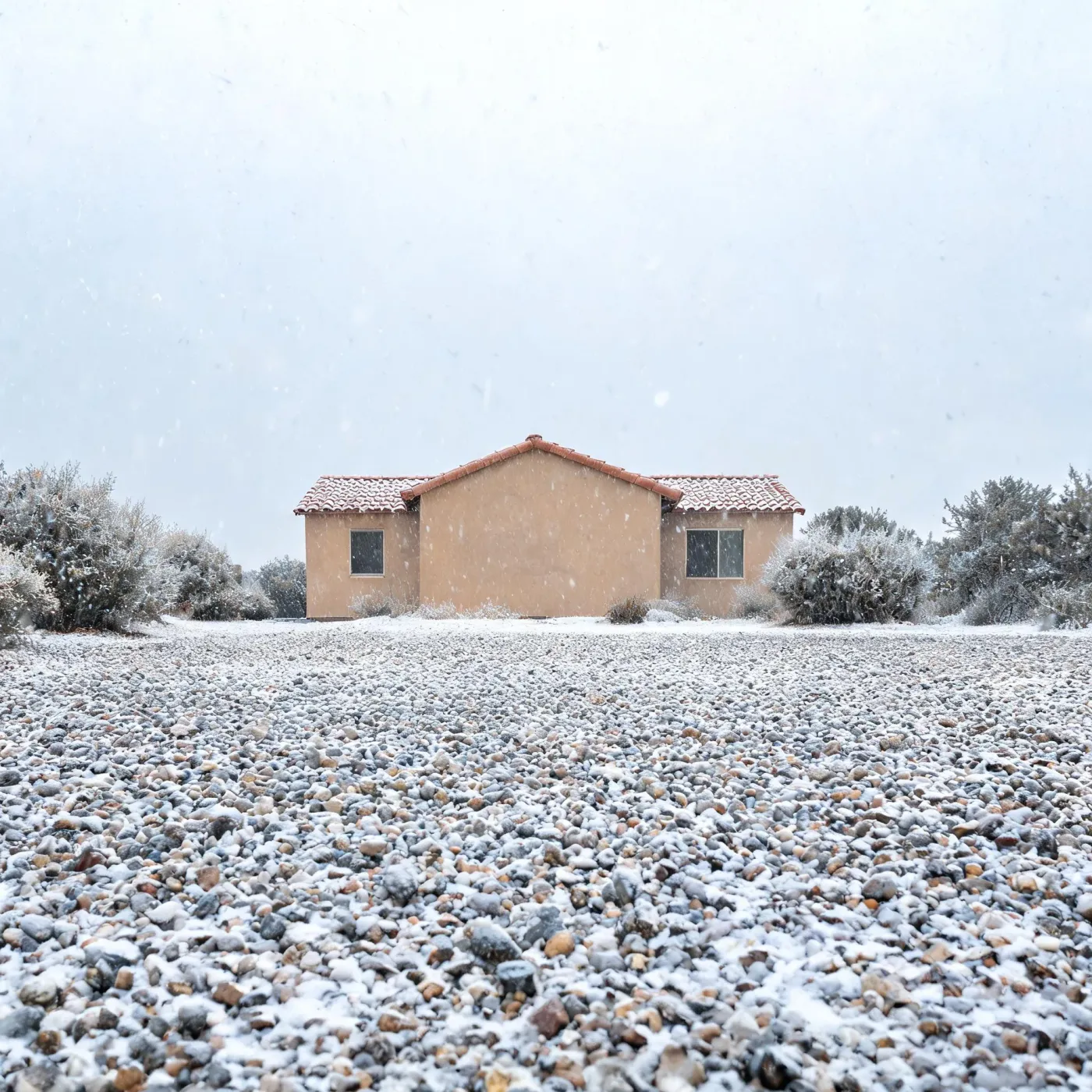
A single-story tan stucco house with a red tile roof stands behind a wide gravel yard dusted with snow, flanked by low shrubs, under a pale overcast sky with falling snowflakes.

Winter nights here average 33°F across the state, cold enough to put your furnace on a steady overnight cycle for months. That long runtime means the blower is pulling air across the filter for hours at a stretch, not in short bursts. With Nevada's dry dust already loading the weave fast, those extra running hours pack it in tighter still. You'll notice it as a furnace that runs longer to hold the same temperature, and a bedroom that's slower to warm up than it was in November. Source: NOAA statewide winter averages.

NOAA nClimDiv 1991-2020 county normals weighted by homes

A beige high-efficiency furnace in an unfinished basement, with white PVC vent pipes, a yellow gas line, metal ductwork, and exposed wood framing on a concrete floor.
A furnace with a clean filter pulls air easily, and the gas line and ductwork feeding it only have to do the job they were built for.
An older beige furnace with two louvered vent panels stands on a concrete basement floor, connected to galvanized ductwork and a metal flue pipe, with gas piping and flexible conduit on the wall behind.
A furnace left running on a packed filter keeps firing anyway, straining the blower until something back there gives out.

Winter nights average 33°F statewide

At 33°F, your furnace isn't cycling on and off a few times a night. It's running long stretches to hold that temperature, which means hours of dusty air pulling across the same filter. The dirt you saw earlier didn't take all winter to build up.

NOAA nClimDiv 1991-2020 county normals weighted by homes

Where that leaves your furnace

  • Nevada's dry ground keeps feeding your filter dust at a pace a 90 day swap schedule was never built for.
  • A filter checked on its own tells you nothing about a blower motor already straining or a heat exchanger already stressed.
  • A local contractor who services furnaces through Nevada winters has seen which parts fail first under this kind of dust load.
  • One contractor means one visit covers the filter, the blower and the coil instead of you sorting through separate calls and separate opinions.
  • The dust that built up by October will keep building the same way every month your furnace keeps running.
  • Knowing why the filter loads up fast doesn't change what it takes to stay ahead of it.

Your filter loads up fast because Nevada's dry ground keeps throwing dust into the air, and your furnace pulls that air across the same filter for hours every cold night. A 90 day swap schedule was built for somewhere else. That's the whole answer. What it doesn't tell you is whether the blower is already straining or the coil behind that filter is already catching dust it shouldn't see. You can pull the filter and look at it yourself, but you can't look past it. A contractor who services furnaces through Nevada winters knows this pattern because they see it on every call during the same months, and they know what to check beyond the filter itself, the blower motor, the coil, the strain that builds when dust packs in tight. One visit with one contractor covers the filter and those parts at the same time, instead of you explaining the same dust problem to a few different companies and sorting through what each one tells you. The dust that coated your filter by October didn't stop building once you noticed it. It keeps going every month your furnace runs, which in Nevada is most of the winter. Knowing why the filter loads up fast doesn't change that work. What changes it is getting someone out who already knows what this dust does to a furnace here, checks the parts that matter, and does it in the one visit instead of leaving you to guess whether the filter was ever the whole problem.

A gas furnace with attached PVC and metal piping and sheet-metal ductwork stands on a concrete pad in a dim unfinished basement with concrete walls and exposed floor joists.

No phone calls to make

A licensed local pro takes the request for your furnace tune-up.

Tune-up, service, or cleaningFurnace or heatingNevada
Step 1 of 2

What ZIP code is the job in?