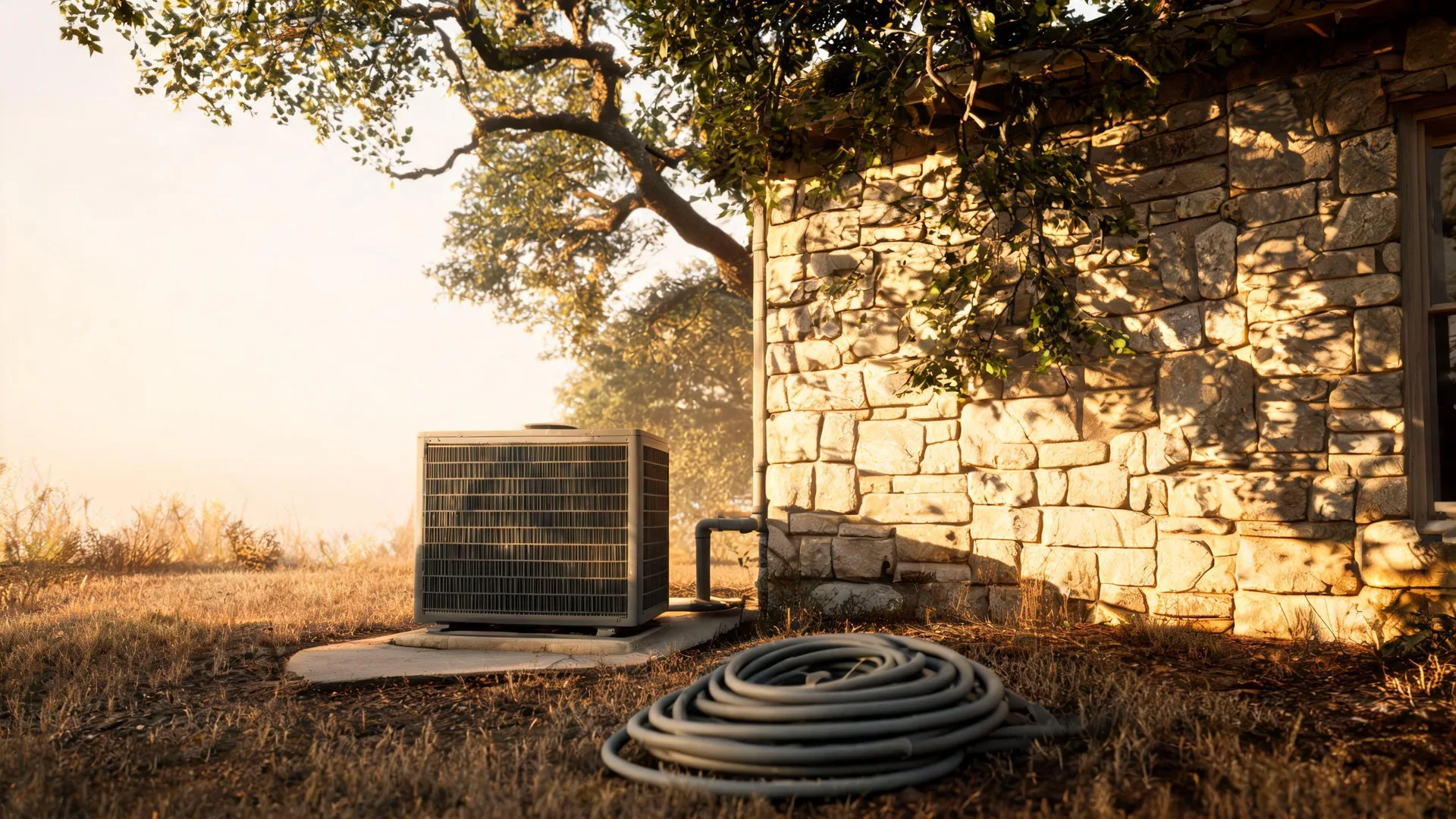
Electricity here runs 15 cents a kilowatt-hour
Nevada homes paid about 15.00 cents per kilowatthour in 2024. A heat pump moves heat instead of burning gas for it, but it still runs on electricity, so that rate applies every time it cycles on.
Takes about a minute. No obligation.
Nevada homes paid about 15.00 cents per kilowatthour in 2024. A heat pump moves heat instead of burning gas for it, but it still runs on electricity, so that rate applies every time it cycles on.
With power priced the way it is here, the difference between a heat pump that runs efficiently and one that doesn't shows up on every bill, not just a few. That's what to weigh against the sticker price when comparing systems.
NOAA nClimDiv, 1991–2020 normals
Gas heats 76.1% of homes in Carson City, most of them with a furnace.
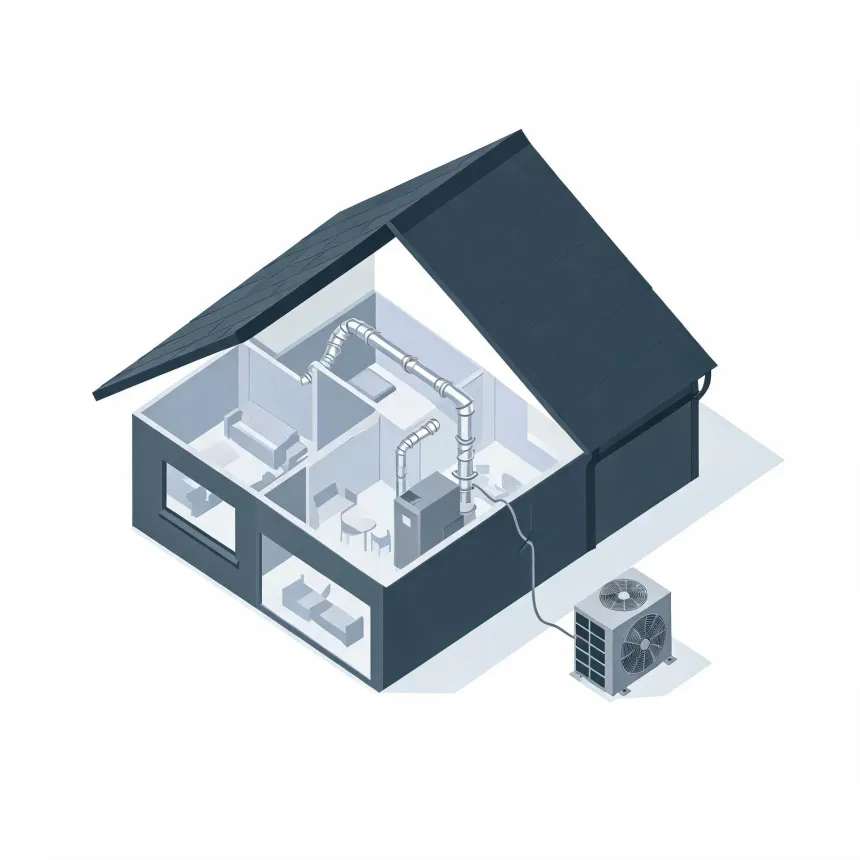
Replacing a furnace with a heat pump means planning for a different kind of system, not just a different unit.



Heat runs here from October through May, eight months out of the year. September is the month before it starts. A heat pump put in during September gets tested on a mild day before it has to work on a cold one. That matters more with a heat pump than with a furnace, since a heat pump is doing both jobs, heat and cooling, and any sizing or airflow problem shows up the first time it has to run hard. Wait until October and the same install happens on a day you're already cold, with less room to get it checked over before you need it.
Carson City sits in climate zone 4B, and any heat pump installed here now has to clear 14.3 SEER2 and 7.5 HSPF2 at minimum. Central air systems paired with one face that same 14.3 SEER2 floor, with an EER2 requirement on top of it. A federal tax credit is available for qualifying equipment, worth checking against whatever gets quoted.
Find a contractorCarson City gets winter storms and damaging wind fairly often, and the overnight low through December, January and February averages 25°F. None of that calls for anything beyond a standard heat pump sized to the house. A correctly sized unit handles a 25-degree night the same way it handles a milder one, it just runs longer and more often. What matters is matching the unit to the house, not buying bigger or pricier than the job calls for.
The number on the label comes from lab testing with the manufacturer's matched coil and air handler. Swap in a different coil, run long duct lengths, or install it with a weak refrigerant charge, and the system won't hit the rating stamped on it. The install decides whether the house actually gets the efficiency the equipment was built for.
SEER2 and HSPF2 come from testing a unit across a range of outdoor temperatures, then averaging the result. A heat pump with a higher rating won't necessarily feel stronger on any one afternoon than a lower rated one. What the number tells you is how little electricity it takes to get through the whole stretch of running, not how hard it pushes on the toughest day.
Ask what happens below freezing, not just what the spec sheet says at mild temperatures. Every heat pump loses some capacity as the outdoor air gets colder, and backup heat is what covers the gap. Some systems lean on electric resistance strips for that backup, which cost more to run than the heat pump itself. Ask how the system decides when to switch to backup, and whether that point can be adjusted. Ask about the compressor too, since a variable speed compressor holds steady output in a wider range of weather than a single stage one, and that difference matters more on the coldest nights than on an average day. Get the warranty terms for the compressor and the coil in writing, not just quoted out loud.
Installation day starts before anyone touches the old equipment. The outdoor unit gets set on a pad or bracket, the indoor coil and air handler get swapped or tied into the existing ductwork, and the refrigerant lines get run between them. Those lines then get pressure tested for leaks before any refrigerant goes in, since a leak found after the fact means pulling the system apart again. The electrical side is its own job too. A heat pump draws differently than a furnace did, and often needs its own dedicated circuit and disconnect box. Once everything's connected, the system gets charged with refrigerant to the exact weight the manufacturer specifies, not just until it feels cold, and that charge gets checked against the outdoor temperature on the day of install.