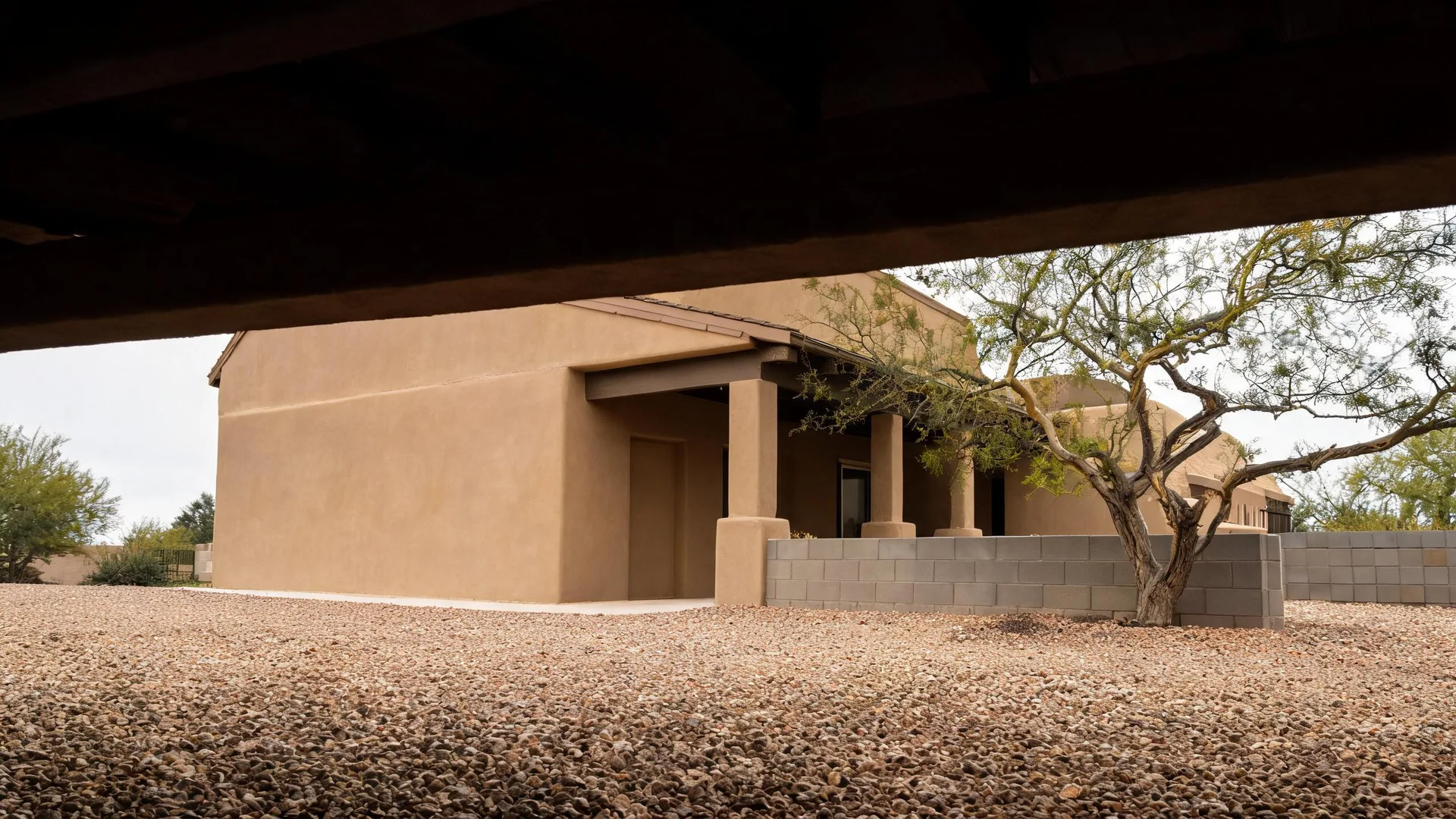






A single-story tan stucco house with a covered porch and concrete block wall, viewed from beneath a dark roof overhang across a gravel yard with a bare-branched tree.

Heat Pump Installation in Pahrump, NV

Tell us about the job

Takes about a minute. No obligation.

New system or replacementHeat PumpNye County, NV
Step 1 of 2

What ZIP code is the job in?

Nevada homes paid 15 cents per kilowatt-hour in 2024, and a heat pump moving heat is still cheaper to run than a furnace or baseboard heat burning it, but the gap between a good installation and a poor one shows up fast at that rate. Sizing matters more than the brand name on the unit. A system too big for the house short cycles, and one too small runs constantly trying to keep up. Ask about the SEER2 and HSPF2 ratings before you decide, since those tell you what the unit actually does with the power it draws, not just what it costs to buy.

8 months
October through May, your system heats
3 months
June through August, it cools
23°F
the average winter night it heats against
88°F
the average summer afternoon it cools against
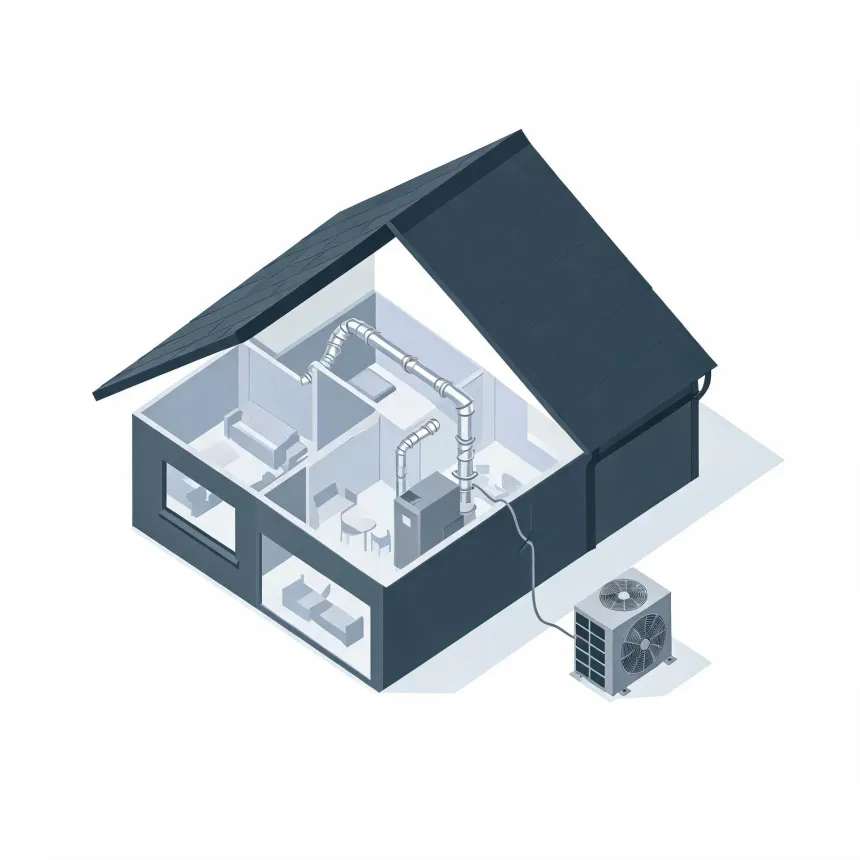
Isometric illustration of a cutaway house showing interior rooms with furniture, a furnace and ductwork, connected by a line to an outdoor condenser unit on the ground outside.
Your system heats October through May and cools June through August.

NOAA nClimDiv, 1991–2020 normals

Heat runs October through May here, eight months out of the year.

Get the heat pump installed before September and it's already running right when the long stretch of heat starts.

23°F nights and 51 winter storms call for a solid heat pump, not an oversized one

356 damaging wind events from 2015 to 2024
51 winter storms from 2015 to 2024
Winter nights average 23°F
Most homes here already run on electricityElectricity heats 75.8% of homes in Nye County, a heat pump fits what's already there

Nye County logged 356 damaging wind events between 2015 and 2024. That matters for a heat pump because the outdoor unit sits outside year round, doing the work a furnace would do shut away in a closet or an attic. A standard installation handles that fine when the unit sits on a level pad and gets anchored the way the manufacturer calls for. Hail and tornadoes barely show up in the record here, so there's no case for a heavier cabinet or extra protection on top of a solid mount. Size the unit for the house, set it right, and the wind isn't something to build around.

A heat pump here has to meet zone 4B's efficiency minimums

Nye County falls in climate zone 4B, and any heat pump going in has to hit 14.3 SEER2 and 7.5 HSPF2 at minimum. That's the floor a licensed contractor is building from when they size and quote your system. A unit that clears those numbers also tends to qualify for the federal tax credit on heat pump installations, worth checking into before you sign anything.

Find a contractor
A man in a cap, olive shirt and dark pants carries a canvas tool bag up concrete steps toward a dark blue front door, with a potted shrub beside the entry.
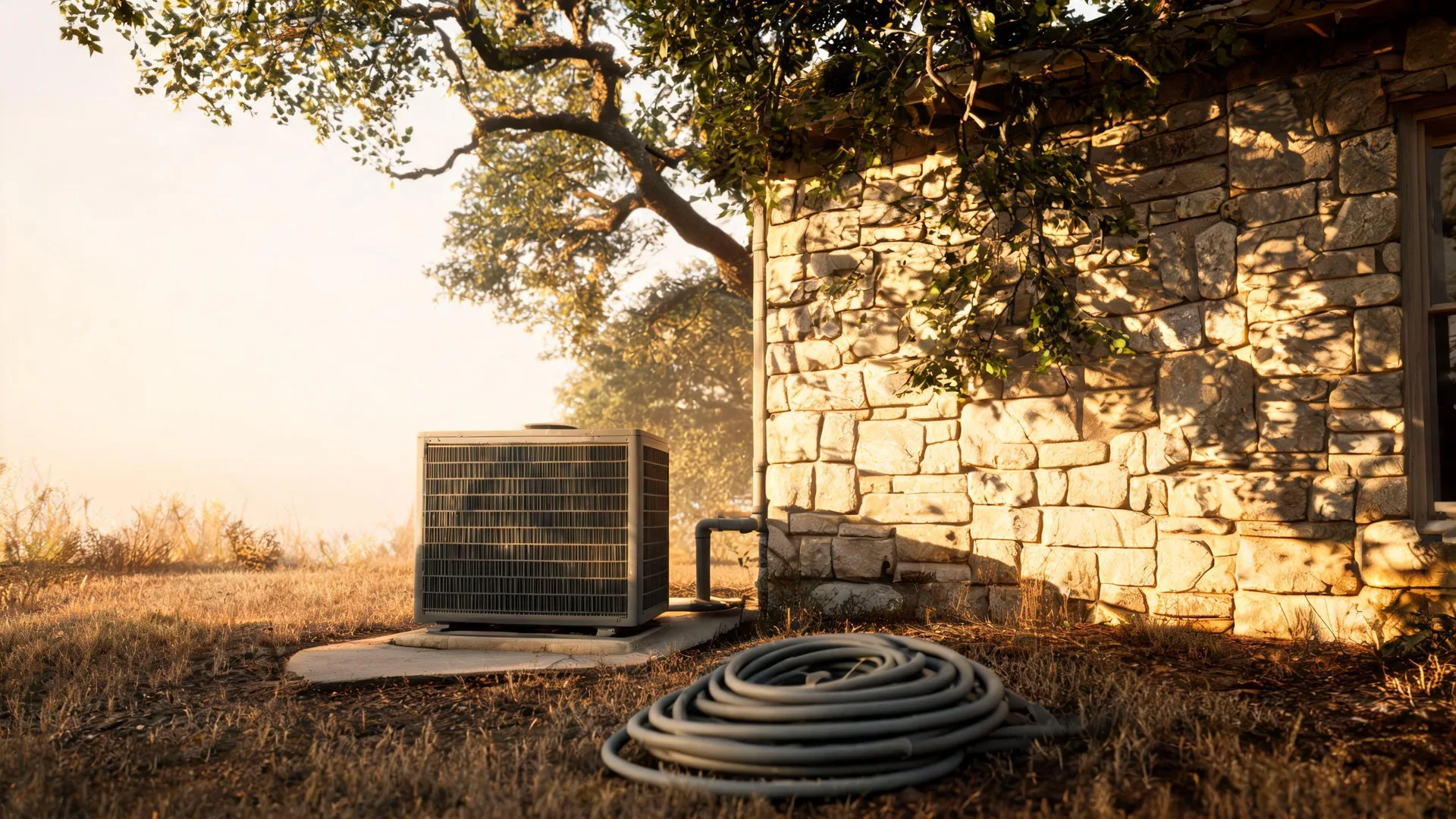
A gray heat pump outdoor unit mounted on a concrete pad next to the stone-accented exterior wall of a house.

What happens to the system you're replacing

The old system does not get melted down or quietly disappear. If it is a furnace paired with a separate air conditioner, the installer disconnects both, caps the gas line if there is one, and hauls the equipment out. If it is a straight electric system, the old condenser and air handler come out and the heat pump's outdoor and indoor units go where they were, though they do not always use the same pad or closet space. Refrigerant left in the old lines has to be recovered, not vented, and that is the law, not a courtesy. Old ductwork usually stays, but a tech should check it against what the heat pump needs. A furnace system was built to push hotter air in shorter bursts. A heat pump runs longer cycles at a lower output temperature, and ducts that were fine for one don't always move enough air for the other. Worth asking the installer to check static pressure before they call the job done, not after.

SEER2 and HSPF2 measure different seasons

SEER2 tells you how the heat pump performs in cooling mode. HSPF2 tells you how it performs in heating mode, moving heat into the house instead of pulling it out. A unit can be strong on one and average on the other. Ask for both numbers, not just one.
The rating is measured, not guaranteed

The SEER2 and HSPF2 numbers on the label come from lab testing under set conditions. What the system actually delivers depends on the ductwork it's tied to, the charge in the lines, and whether it was sized for the house. A high rated unit installed loose or undersized won't perform like its label.

When you're comparing quotes, ask each contractor to walk you through their load calculation, not just hand you a number. That calculation should use the actual house, the windows, the insulation, the layout, not a rule of thumb based on square footage alone. Ask what happens at the coldest point in the cycle, since every heat pump has a balance point where it needs backup heat to keep up, and units with the same rating can hit that point differently. Ask what the backup heat source is and how it's controlled, because a system that leans on backup too often costs more to run than the rating suggests. Ask about the warranty on the compressor separately from the warranty on labor, since those often run different lengths. And ask who services the brand locally, because a good unit backed by nobody nearby is a problem waiting to happen.

Installation day starts with the old equipment coming out, then the new pad or bracket going in for the outdoor unit, level and anchored before anything gets connected. Line sets get run between the outdoor unit and the indoor coil, and those joints get brazed, not just fitted together, because a loose connection there is where refrigerant leaks start. Once everything's connected, the system gets evacuated with a vacuum pump to pull out moisture and air before refrigerant goes in. That step gets skipped on a rushed job, and it's the one that causes compressor problems down the line. After charging, a tech checks refrigerant pressure against the manufacturer's spec for the line length and outdoor temperature that day, then runs the system in both heating and cooling to confirm it's moving the air it's supposed to. The whole thing ends with airflow readings at the vents, not just a hand held up to feel if air is coming out.