






Adobe-style desert homes lit by warm outdoor lighting at dusk, with saguaro cacti in the foreground and a rocky mountain range behind them.

Heat Pump Installation in Winnemucca, NV

Tell us about the job

Takes about a minute. No obligation.

New system or replacementHeat PumpHumboldt County, NV
Step 1 of 2

What ZIP code is the job in?

Nevada homes paid 15.00 cents per kilowatthour in 2024. A heat pump moves heat instead of burning gas to make it, so it gets more warmth out of every cent than a straight electric furnace would. At that rate, the difference between a well-matched system and an oversized or undersized one shows up on the bill every month, not just on the install invoice. A contractor sizing the unit for this house, rather than guessing from the square footage, is what makes that efficiency real instead of a number on a spec sheet.

8 months
October through May, your system heats
2 months
July through August, it cools
23°F
the average winter night it heats against
85°F
the average summer afternoon it cools against
Isometric line illustration of a cutaway house showing interior rooms with furniture, ceiling ductwork, and an outdoor condenser unit connected by lines along the exterior wall.
Your system heats October through May and cools July through August.

NOAA nClimDiv, 1991–2020 normals

Heat here runs October through May, eight months out of the year.

A heat pump installed before September earns its keep from the first cold morning instead of partway through one.

Gas heats half the homes in Humboldt County, and most of the rest run on electricity

49.9% of homes heat with gas
152 damaging wind events from 2015 to 2024
5 hail events from 2015 to 2024

The number on the label, the HSPF rating, tells you how much heat the unit makes for the electricity it uses across a normal winter, not just on a mild day. A higher rating means it pulls more heat out of cold outside air for the same draw of power. That rating is measured under set conditions in a lab, not in your living room. The ductwork it pushes air through matters as much as the unit itself. A rated efficiency delivered through leaky or undersized ducts loses a real share of that heat before it reaches a vent. The rating also says nothing about how well the unit is sized for the space. Too large and it short-cycles, turning on and off instead of running steady. Too small and it leans on backup heat strips to make up the difference, and those strips use power the way a plain electric furnace does. The label is a starting point for comparing units, not a promise of what you will see on a bill.

A heat pump here works against cold, not against the weather

Winnemucca doesn't get hailed on much and most of its wind and snow events pass without damaging the parts a heat pump needs to run, the compressor and coil outside. The overnight cold is the real work this unit does, averaging 23°F across December, January and February. That's steady work, not punishing work. A heat pump built to hold up through winters like this doesn't need the top-tier model to last. It needs to be sized right and installed well.

Find a contractor
A man in a cap, gray jacket and tan cargo pants, seen from behind, carries a worn canvas duffel bag up steps toward a dark navy front door, with a potted shrub beside the entry.
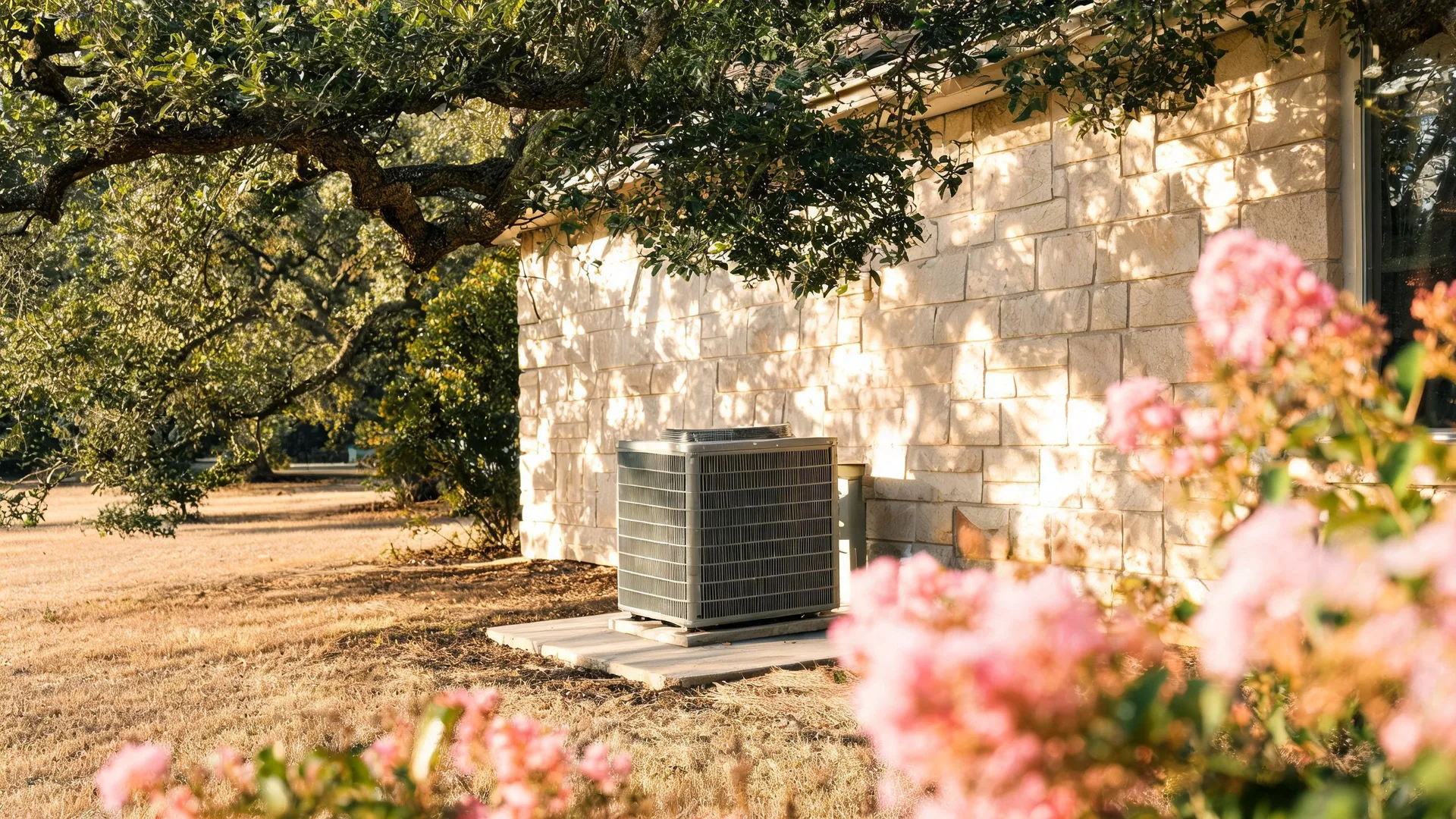
A gray outdoor HVAC unit mounted on a concrete pad beside a house with gray lap siding and a stone foundation.

Steady nights, not a hard life

Picture the same unit running day into night, month after month. The wear on it comes from the cold it has to move, not from storms. A contractor sizing this install can put the budget into a correctly sized unit and a tight installation rather than a top-tier compressor built for harsher climates.

The old system doesn't need to come out first

A contractor can usually pull the old furnace or gas unit and set the heat pump in its place without ripping out ductwork that still holds air well. If the ducts were sized for the old system, they get checked against what the heat pump needs to move, since a heat pump often moves a different volume of air than a gas furnace did.
A gas line left in place still needs attention

If the home is swapping off gas heat, the old gas line to the furnace has to be capped off by someone licensed to do it, even though the heat pump itself runs on electric power alone. Leaving that line live and unused is not something to skip just because the furnace is gone.

Sizing a heat pump starts with a load calculation, not a tape measure around the house. A contractor works out how much heat the place actually loses through its walls, windows and roof, then matches the unit to that number. Square footage alone skips over all of it. Homes the same size can need different equipment depending on how they're built and how much glass they carry. Get it wrong on the large side and the unit blasts the room to temperature and shuts off, so it never runs long enough to settle into a steady, efficient cycle. Get it wrong on the small side and it runs flat out in the coldest stretches and still can't keep up, leaning on backup heat strips to close the gap.

Install day starts outside. The old condenser gets disconnected and the line set gets cut away. If the ductwork is staying, the crew sets the new air handler or coil and ties into the trunk lines that are already there, sealing every joint they open back up. A heat pump draws power differently than the gas furnace or electric unit it replaces, so the panel gets checked along with the equipment, and new wiring often runs out to the outdoor unit. The system gets charged with refrigerant to the exact weight the manufacturer calls for, not just run until the air feels cold. Before the crew leaves, they check airflow at the vents and check the temperature split between the air going in and the air coming out, and they confirm the thermostat is actually talking to the unit the way it should.