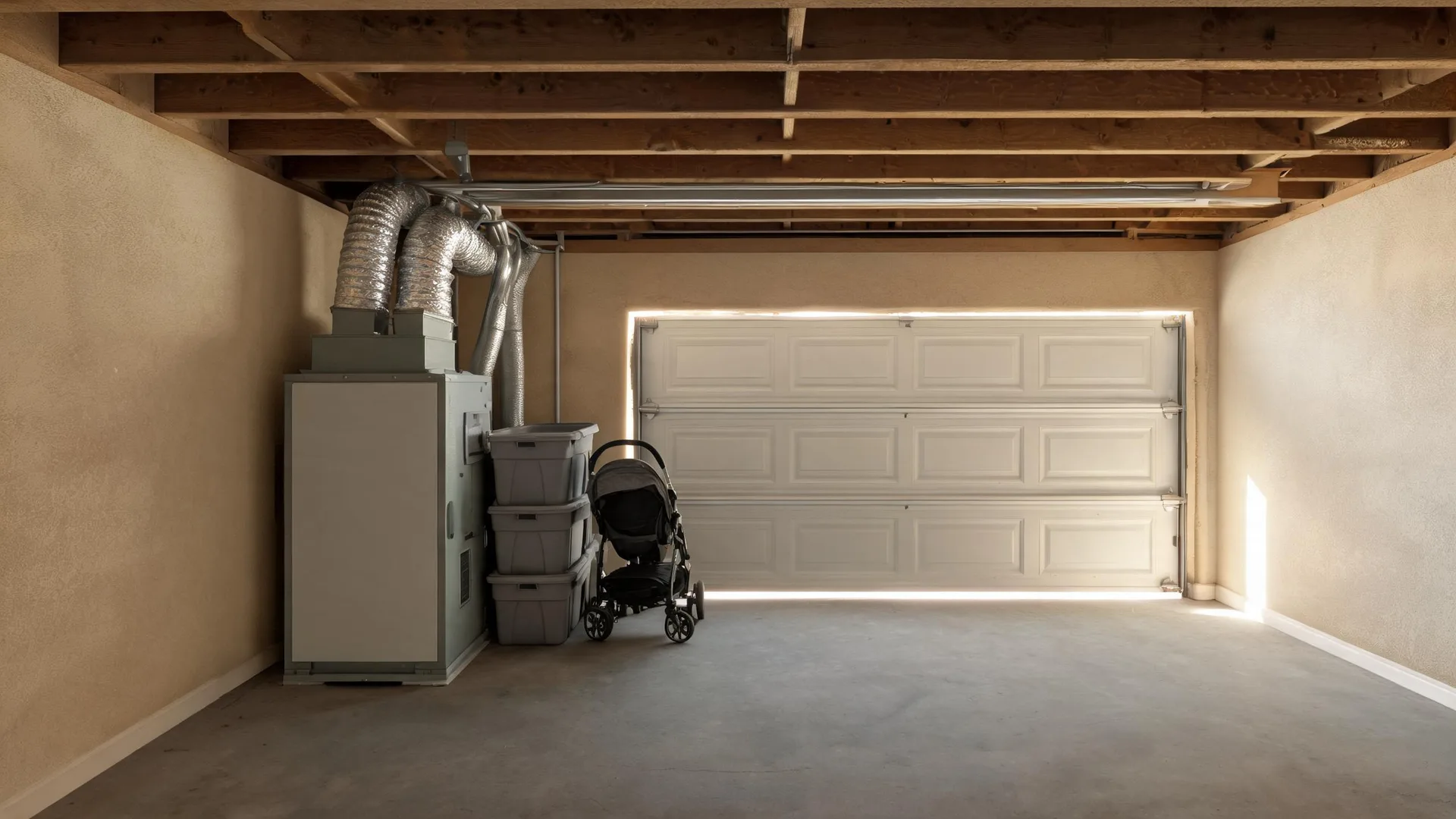
An unfinished basement interior featuring a large metal furnace unit, exposed ceiling joists, concrete walls, and scattered boxes and cables on the floor.

Furnace Installation in Dyer, NV

Tell us about the job

Takes about a minute. No obligation.

New system or replacementFurnace or heatingEsmeralda County, NV
Step 1 of 2

What ZIP code is the job in?

80 percent is the floor

Esmeralda County sits in zone 4B, where winters and summers both ask something of a system. Any non-weatherized gas furnace installed here has to hit at least 80 percent AFUE if it was built on or after November 19, 2015. That is a federal minimum, not a target to aim for.

The floor is about to move

Furnaces built on or after December 18, 2028 will have to reach 95 percent AFUE. If a new system is going in now, ask what AFUE the model is actually rated for, since staying near the current minimum leaves less room before the standard changes under it.

8 months
October through May, your furnace is on duty
24°F
the average winter night it heats against
80% AFUE
the federal minimum any new unit must meet
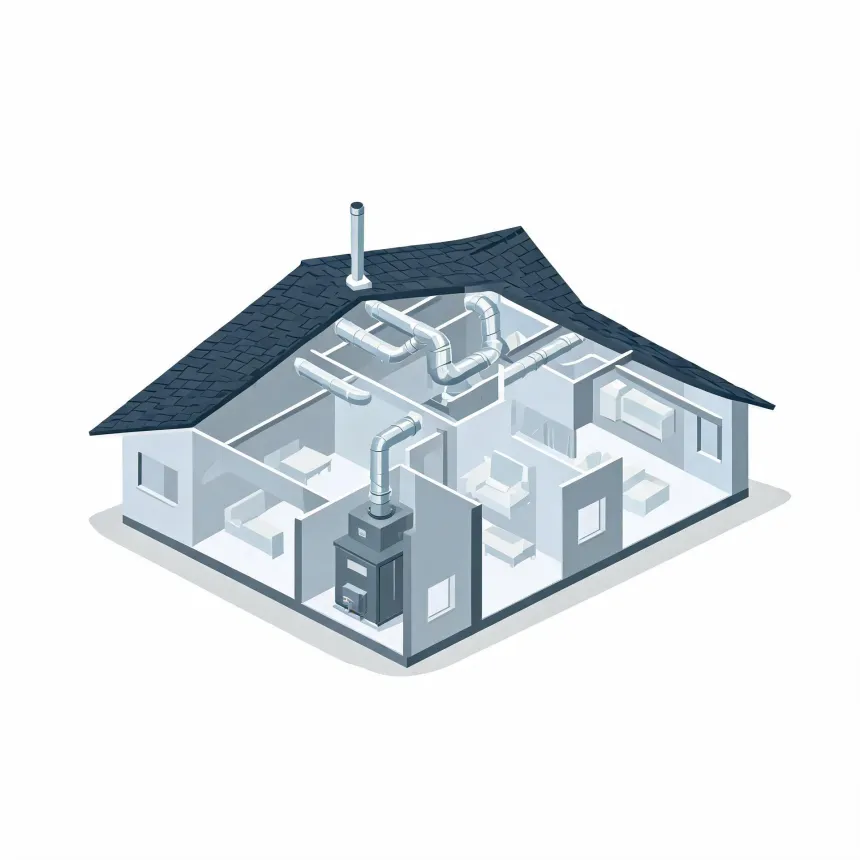
Isometric cutaway illustration of a single-story house showing interior rooms with furniture, a metal ductwork network, and a furnace unit connected to a vertical flue through the dark shingled roof.
Your furnace works hardest from November through March.

NOAA nClimDiv, 1991–2020 normals

The same AFUE rating can still mean a different stage of heat and a different blower.

Ask what stage of heat and what blower motor come with the number, not just the number itself.

A standard furnace is the right call in Dyer

Heat runs October through May
Winter nights average 24°F
Climate zone 4B

Heat runs October through May here, eight months straight once it starts. September is the month before that begins, and it's the right time to put in a new furnace. Wait until the first cold night and you're choosing from whatever unit is on the truck, on whatever day a crew is free. Replace it in September and you're choosing the AFUE rating, the stage of heat, the blower motor, all of it, before you need any of it working.

Meet the standard here

A new system here has to meet this region's minimum efficiency, which limits what can go in.

Find a contractor
A gray gas furnace with attached ductwork and piping installed in an unfinished concrete basement.

The rating doesn't change once it's installed

AFUE is the ratio of heat the furnace delivers to the fuel it burns to make it. Whatever the rating says, that's what the furnace delivers, on the first day it runs and on the last. It doesn't drift downward the way a dirty filter or a low charge will. The only thing that number promises is how much gas gets turned into heat and how much goes out the flue. It says nothing about whether the furnace is sized right for the house, or whether heat reaches every room evenly. That comes down to the unit's size and the ductwork carrying the air, not the rating on the label. A furnace with a higher rating does the same job burning less gas to do it. That's the whole promise, and it holds for as long as the furnace is serviced and the venting stays clear.

The old furnace gets disconnected, not just unplugged

A gas furnace is tied into a gas line, a vent or flue, a return duct and the supply plenum, plus the electrical. Removing it means capping the gas line, taking down the old venting, and disconnecting the control wiring before the cabinet comes out. None of that is optional work tacked onto the new install. It has to happen first, or the new furnace has nothing clean to connect to.

The vent coming out matters as much as the furnace going in

An older furnace often vents through a metal flue sized for a lower-efficiency unit burning hotter exhaust. A new high-efficiency furnace vents differently, usually through plastic pipe venting out a sidewall instead of up through the roof. If the old flue stays and the venting isn't changed to match the new furnace, the exhaust has nowhere correct to go. Pulling the old system out is also the only time to find out if the vent path needs to change.

A furnace that's too big for the house will still heat it, just badly. It fires up, blasts the place with heat, and shuts off before it's pulled moisture out of the air or pushed warm air into the far rooms. Then it sits off for a while and fires again. That cycling wears on the heat exchanger and the igniter faster than steady running does. Too small and it never shuts off at all, running constantly and still losing the coldest rooms. The right size isn't picked off the old unit's label or guessed from square footage. It's worked out room by room, counting the walls, the windows, the ceiling height, and how much of the house faces into the weather, then matched to a furnace that can hold that load without short cycling or running flat out.

Install day starts with the old furnace coming out, not the new one going in. The gas gets shut off and capped. The old venting comes down. The ducts sit open until the new cabinet is set in place and sealed to them. Once the new furnace is set, the gas line, the vent, the return and supply plenum, and the control wiring all get connected fresh rather than reused. Then it gets fired up and checked. Gas pressure, temperature rise across the heat exchanger, and the flue draft all get read to confirm they're where they should be. A combustion analyzer checks the exhaust too, to confirm it's burning clean before anyone calls the job done. None of that shows up on the unit itself once the cabinet is closed up, but it's what decides whether the furnace runs the way its rating says it will.