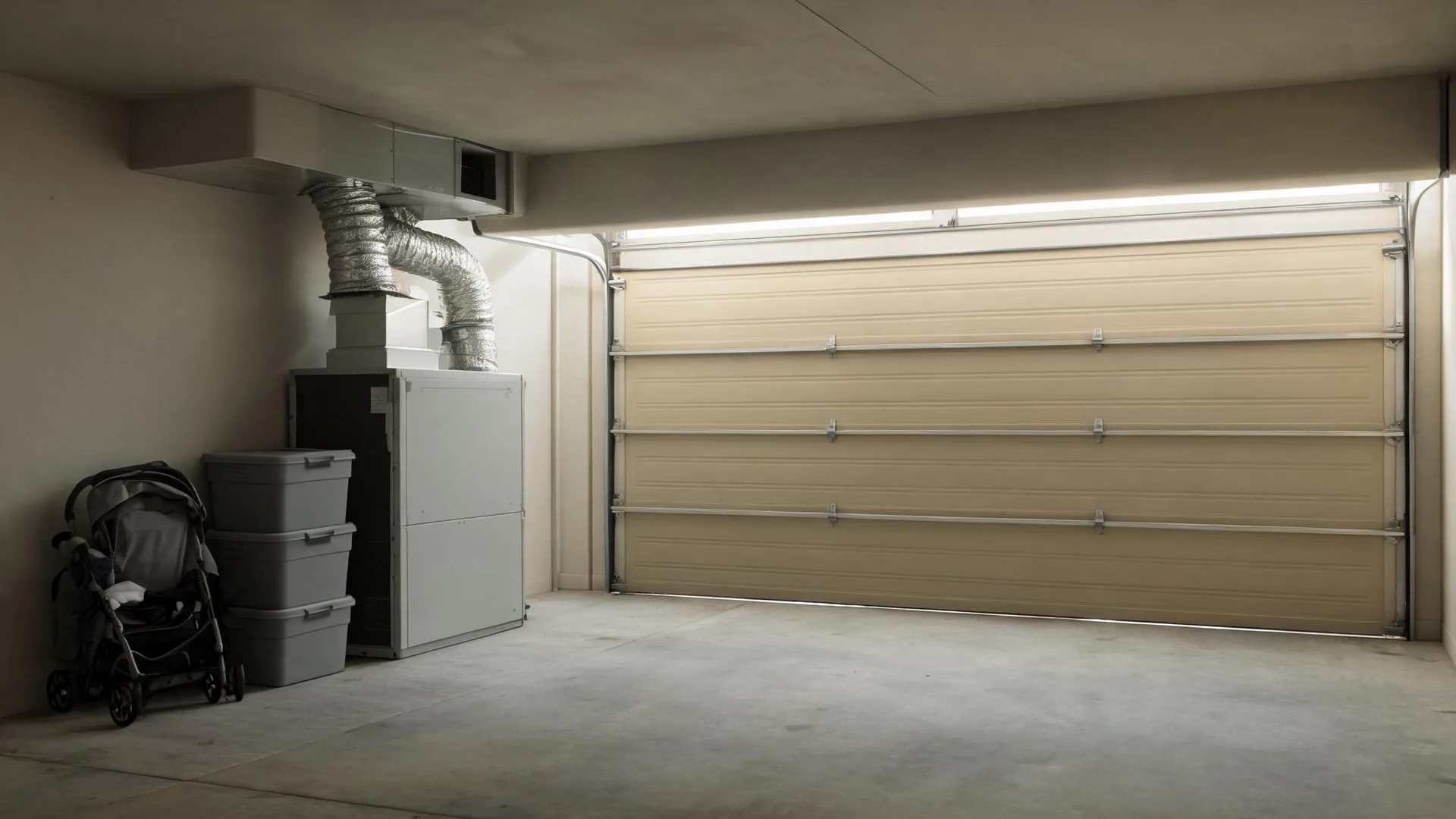
Gas is the common fuel here
Utility gas heats 55% of homes in Churchill County, more than any other fuel. If your house already has a gas line run to the furnace, a gas furnace is the straightforward replacement.
Takes about a minute. No obligation.
Utility gas heats 55% of homes in Churchill County, more than any other fuel. If your house already has a gas line run to the furnace, a gas furnace is the straightforward replacement.
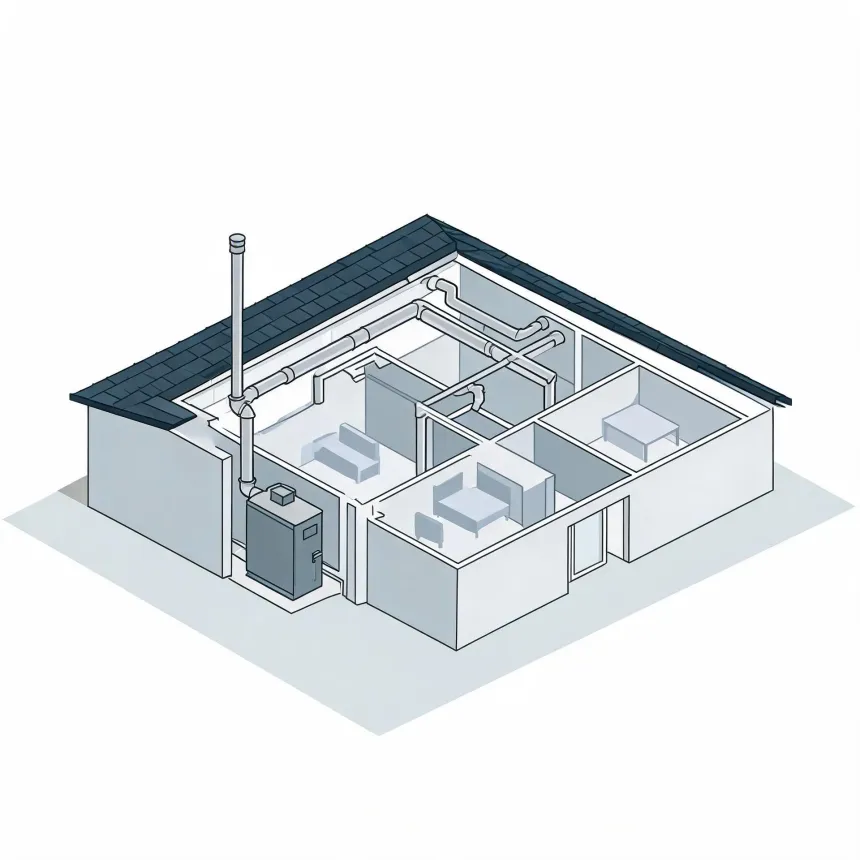
A gas furnace needs venting for exhaust and a gas line sized for it, same as the one you have now. Swapping in another gas furnace means working with what's already there instead of adding new fuel infrastructure.
NOAA nClimDiv, 1991–2020 normals
Furnaces in Churchill County start running in October.
Get a new one installed in September and it's ready before the first cold morning, not after.



Fallon sits in zone 5B, a cool, dry zone where heating carries most of the load over the year. Any furnace installed here has to meet the federal minimum for that equipment, and right now that minimum is 80.0 percent AFUE. That's the floor for the furnace going in today. It changes at the end of 2028, when new units have to reach 95.0 percent AFUE instead. A furnace bought before that date can still go in at the lower standard. One bought after has to clear the higher bar.
Eight months of heat a year and winter lows around 22°F are well within what a standard furnace handles. There's nothing about Fallon that calls for an oversized unit or a higher efficiency tier than the job needs.
Find a contractorThe right size comes from a heat loss calculation, not the size of the furnace already in the house. A contractor measures the square footage, the window area, the insulation, and the walls and ceilings, then works out how fast the house loses heat on the coldest nights. That number, not a guess based on the old unit, decides what goes in. Too big and the furnace short cycles, heating the air fast then shutting off before it runs long enough to warm the house evenly. That wears out the heat exchanger and the igniter faster, and it leaves cold rooms far from the thermostat. Too small and it runs constantly trying to keep up, which also wears it down and never quite gets there on the coldest nights. A furnace sized right runs in longer, steadier cycles, which is what keeps a house comfortable and what the equipment is built to do.
Once the new furnace is set and running, the installer disconnects the gas line, the vent, and the return and supply plenums from the old unit and takes it out. A gas furnace holds no refrigerant, so there's no recovery step the way there is with an AC system. It just gets removed and scrapped.
The new furnace still needs its own gas line sized correctly and its own vent run. A contractor checks that what's there matches what the new unit needs rather than assuming the old connections carry straight over. That's part of swapping in the new equipment, not a separate job.
Estimates for a typical Churchill County home, from EIA household energy data, Nevada fuel prices and NOAA climate normals. Your home will differ.
Install day starts with the house, not the box. The old furnace comes out first. Then the new one gets set in place, leveled, and connected. Gas line, vent, return plenum, supply plenum, and the wiring to the thermostat all get hooked up and checked joint by joint before anything runs. Once it's connected, the installer fires it up, checks the gas pressure, and reads the temperature rise across the heat exchanger to see that it falls where the manufacturer says it should. Then they check the airflow against the duct system and watch it run a full cycle, start to shutoff, before calling it done. A furnace that's wired and piped right but never test fired isn't a finished job.