





An unfinished basement containing a metal furnace with ductwork, exposed wooden joists on the ceiling, cardboard boxes, a coiled cable, and a single hanging incandescent bulb.

Furnace Installation in Pahrump, NV

Tell us about the job

Takes about a minute. No obligation.

New system or replacementFurnace or heatingNye County, NV
Step 1 of 2

What ZIP code is the job in?

Electricity in Nevada runs $43.95 per million Btu, among the higher rates homes pay for it. If your furnace is electric, or you're weighing a heat pump against a gas furnace, that rate changes the math on which one makes sense for this house. A unit with a higher efficiency rating costs more to buy but less to run every month it's working. Over a winter of regular use here, that difference is worth asking about before you decide on equipment, not after.

8 months
October through May, your furnace is on duty
23°F
the average winter night it heats against
80% AFUE
the federal minimum any new unit must meet
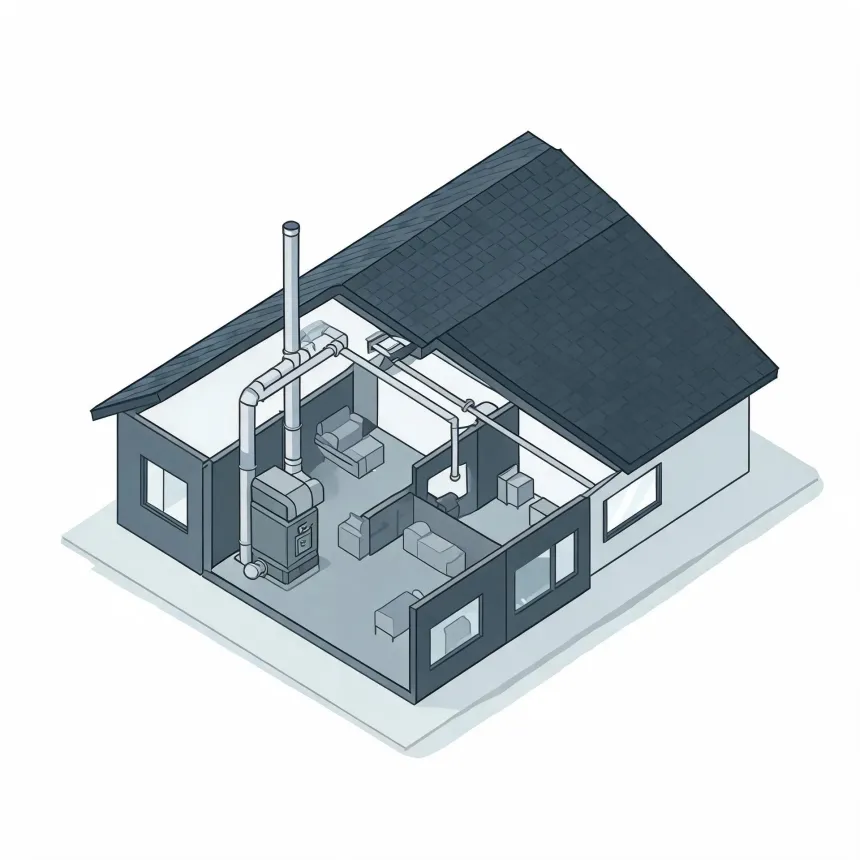
Isometric cutaway illustration of a single-story house showing interior rooms with furniture, a furnace unit connected to ducting and vertical flue pipes running through the roof.
Your furnace works hardest from November through March.

NOAA nClimDiv, 1991–2020 normals

A furnace's efficiency rating doesn't tell you if it's sized right for the house.

Ask each contractor to walk through their load calculation, not just hand you a price for a box.

Wind and power outages are the weather risk in Pahrump, not the cold

412 severe weather events from 2015 to 2024
13% of homes statewide lost power a day or more in 2024
356 damaging wind events from 2015 to 2024
Most houses here already run on electricityElectricity heats 75.8% of homes in Nye County, more than any other fuel.

Nye County sits in zone 4B, a mixed climate that asks real work of both your furnace and your AC. Any gas furnace installed here has to clear 80 percent AFUE, the federal minimum. That floor jumps to 95 percent for furnaces built starting in December 2028, so the standard equipment on the shelf now won't be an option much longer. Right now a contractor can still offer you something right at the 80 percent minimum alongside higher-efficiency models, and the gap between them is what you'll pay for gas each month the furnace runs.

Get it installed before October, not after the first cold night

Furnaces here run from October through May, eight months straight. September is the month before that starts, and it's a better time to install one than the first cold night in October, when you need heat working already. Get it done while there's no rush on either end.

Find a contractor
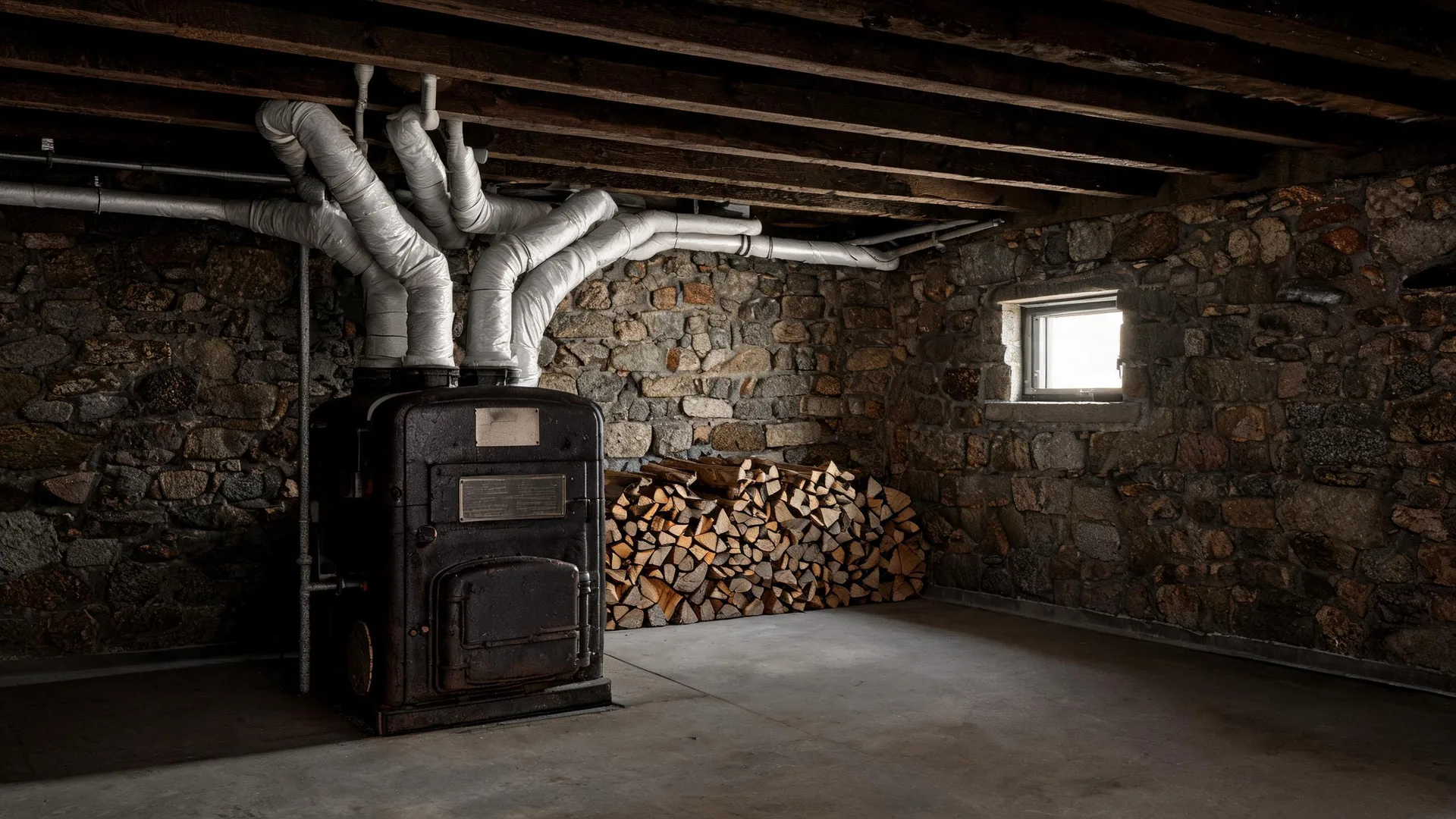
A gray gas furnace with attached ductwork and piping installed in an unfinished concrete basement.

Eight months of heat, and winter here doesn't go easy on a furnace

Eight months of heat a year, with overnight lows averaging 23°F through December, January and February, means this furnace won't get much of a break once it starts running in October. On top of that cold, Nye County gets hit with heavy snow, ice and blizzards most years. Those are the nights a furnace works its hardest, right in the middle of its longest stretch of the year. A furnace sized too small for the house will run close to nonstop trying to keep up. One sized too large will cycle on and off more than it should. Either way, the parts wear sooner than they would somewhere milder.

AFUE is a fuel number, not a comfort number

The percentage on the label tells you how much of the gas your furnace burns turns into heat instead of going out the flue. It says nothing about how evenly that heat reaches every room, how quiet the unit runs, or how long it lasts. Furnaces with the same rating can still feel different in the house depending on the ductwork and the installation, not the label.
The rating only pays off if the furnace runs a lot

A higher AFUE costs more upfront because the furnace needs extra parts to pull that last bit of heat from the exhaust, usually a second heat exchanger and a different venting setup. Those parts earn their keep by running. A furnace that only kicks on now and then won't make up that cost the way one running most months will.

Whoever installs the new furnace will disconnect the old one, cap or remove the gas line to it, and haul it out. If it's a straight swap in the same spot, that's usually part of the job, not an extra trip. The old heat exchanger and cabinet are scrap steel, and most installers take them to be recycled rather than dumped. If the furnace shares a flue with the water heater, the installer has to check that the venting still works right once the furnace side changes, since pulling one appliance off a shared vent can leave the other one venting wrong. Ask up front whether removal and haul-away are included, since some quotes cover only the new equipment and leave the old unit sitting in the garage.

Installation day starts before anyone touches the old furnace. The installer should check the ductwork for leaks or damage, confirm the new unit's size against a load calculation, and look at the venting if it's shared with another appliance. Once that's settled, expect the old furnace disconnected and pulled, the new one set and leveled, then the gas line, vent and ductwork connected to it. The gas line gets pressure tested before anything runs, and the vent gets checked for a proper draft once the furnace fires. After that, the installer should run the furnace through a full cycle, check the temperature rise against what the manufacturer specifies, and walk through the thermostat and filter location before packing up. A job like this usually takes most of a day, longer if the ductwork needs work or the vent setup has to change.