Propane runs high here
Propane cost Nevada homes $31.51 per million Btu in 2024. If your furnace runs on propane, that price sets the floor for every bill you get.
Takes about a minute. No obligation.
Propane cost Nevada homes $31.51 per million Btu in 2024. If your furnace runs on propane, that price sets the floor for every bill you get.
At that price per Btu, a furnace that wastes less fuel saves you more here than it would somewhere with cheaper propane or natural gas. Ask what efficiency rating comes with each system you're comparing.
NOAA nClimDiv, 1991–2020 normals
Furnaces here run eight months a year, through nights that average 25°F.
A furnace sized and installed right holds up to that. One sized wrong wears out trying to keep up.




Storey County falls under zone 5B, a cool climate where the heating load matters more than cooling. Any furnace installed here has to meet the federal minimum for that classification, and right now that means 80 percent AFUE for a standard non-weatherized gas furnace. That floor rises to 95 percent for furnaces built from late 2028 on, so the baseline itself is changing, not just what's available above it. A federal tax credit is available for qualifying high-efficiency equipment, on top of whatever the furnace saves on propane. Ask which side of that line any system you're quoted falls on.
Most homes in Storey County heat with propane, and another fifth run on utility gas. Electric heat is the exception here, not the rule. If your old furnace burns propane, replacing it with another propane furnace is the straightforward path. Match the fuel you have unless there's a real reason to switch.
Find a contractor
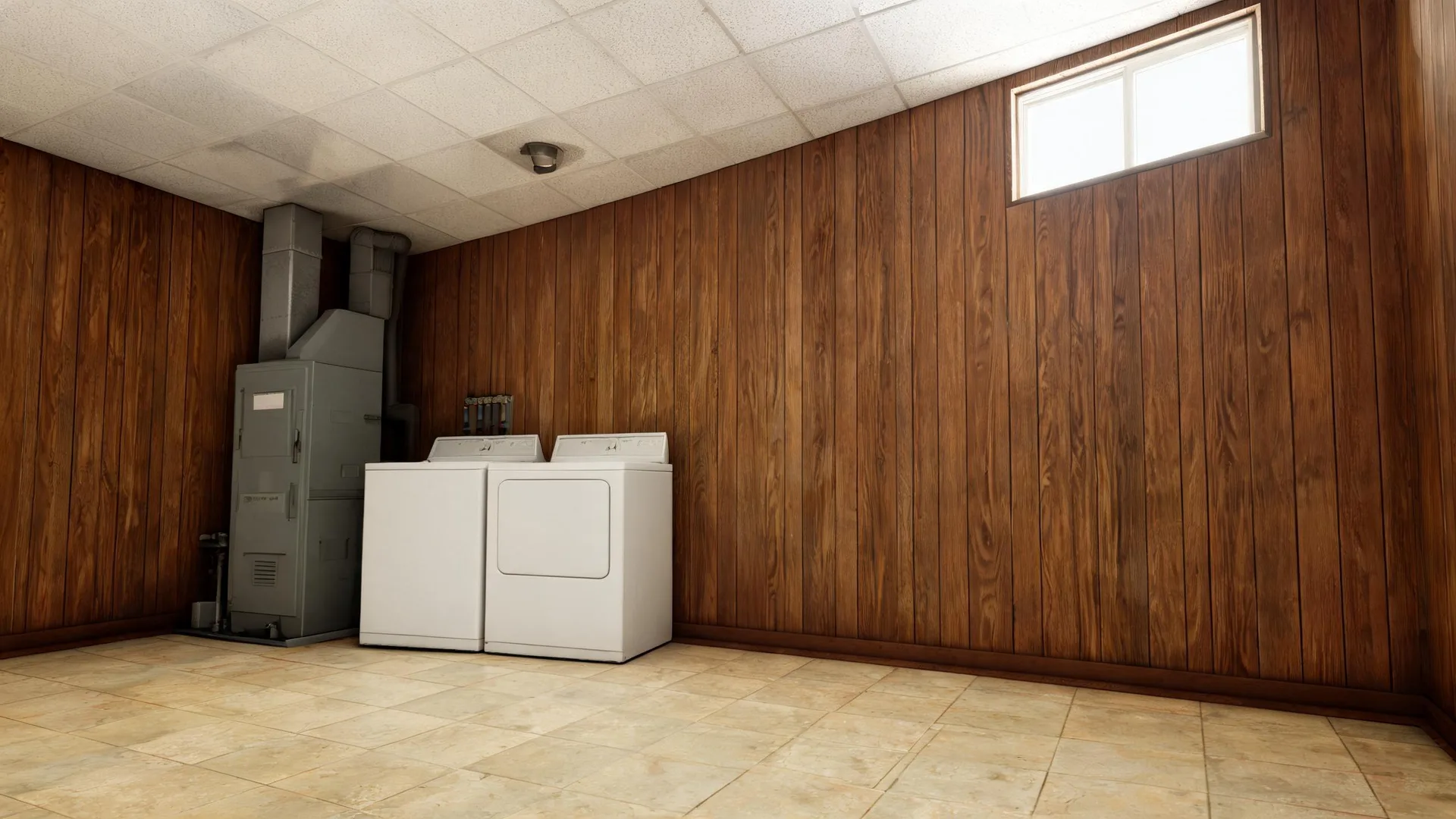
The old furnace doesn't get reused or moved to a shed. Once it's disconnected, it's scrapped, and the installer should include that haul-away in the job. Before it goes, a few things need to happen in order. The gas line gets capped or properly connected to the new unit, never left open. The old vent or flue gets checked, because a new high-efficiency furnace often vents differently than what it's replacing, sometimes through a wall instead of up a chimney. If the old system shared a flue with a water heater, that water heater needs its own venting worked out, or it won't draft right once the furnace is gone. None of this is a reason to delay a replacement. It's just the list of things a competent installer handles without being asked.
The rating on the label is a fuel efficiency number. It tells you how much of the propane burned turns into heat in your house, and how much goes out the flue unused. A furnace with a higher rating pulls more heat out of the same fuel. It says nothing about how big the furnace is or how fast it heats a room, only how much it wastes doing it.
A furnace with a lower rating is still a sound, working furnace. It just sends more of what you paid for straight out the vent as exhaust instead of into the house. That difference shows up on every bill it sends you, not just the cold months, because a furnace burns fuel at the same rate whether the night is mild or brutal.
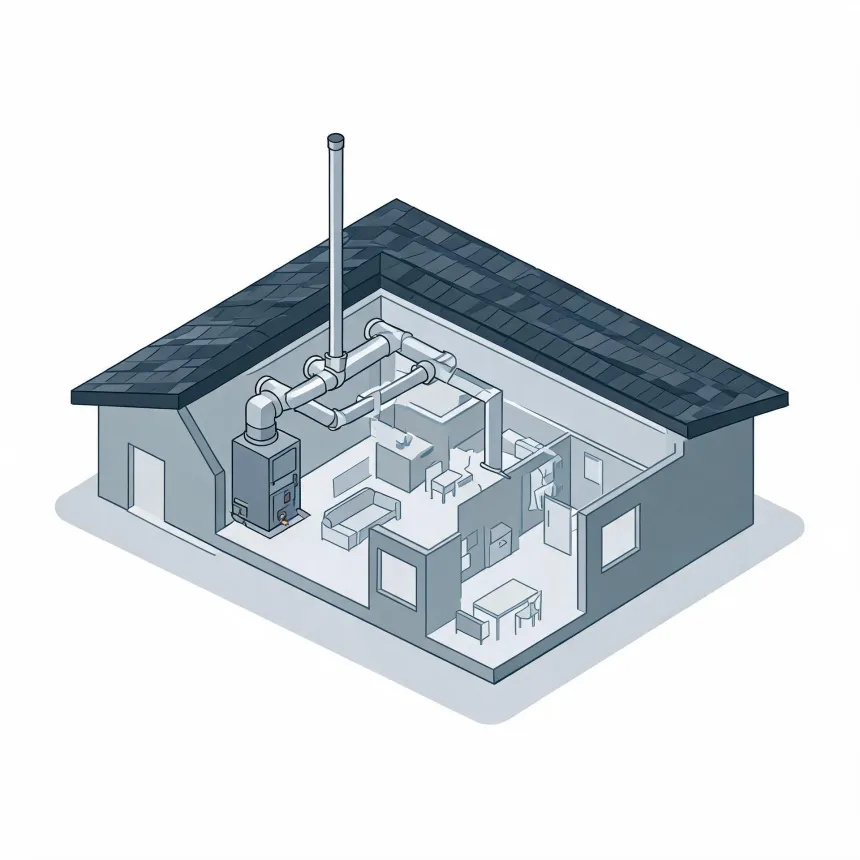
A furnace quote covers more than the unit itself. A contractor should size the furnace to the house with a load calculation, not a guess based on the old one. Ductwork is often the real cost driver. If the existing ducts are undersized, leaky, or routed wrong for the new furnace, they need work before the furnace can heat the house evenly, and that labor adds up faster than the equipment does. A furnace that vents differently than the one it replaces may need new pipe run through a wall or up through the roof. The gas line and electrical hookup matter too, especially if the new furnace needs a different connection than the old one had. None of this is padding. It's what separates a furnace that gets dropped in place from one that actually fits the house around it.
Install day starts with the old furnace coming out, not the new one going in. Once it's disconnected and hauled off, the crew works from a mostly empty space. That's when problems hiding behind the old unit show up, like a gas line that needs rerouting or a vent that was never sized right to begin with. Setting the new furnace is quick. Running new venting, tying into the gas line, and connecting the ductwork takes longer, and it's where most of the day goes. Once it's hooked up, a tech fires it through a full cycle, checks the gas pressure, and confirms it's drafting properly before calling it done. A furnace that's installed right gets tested while someone's still there to fix what's wrong.