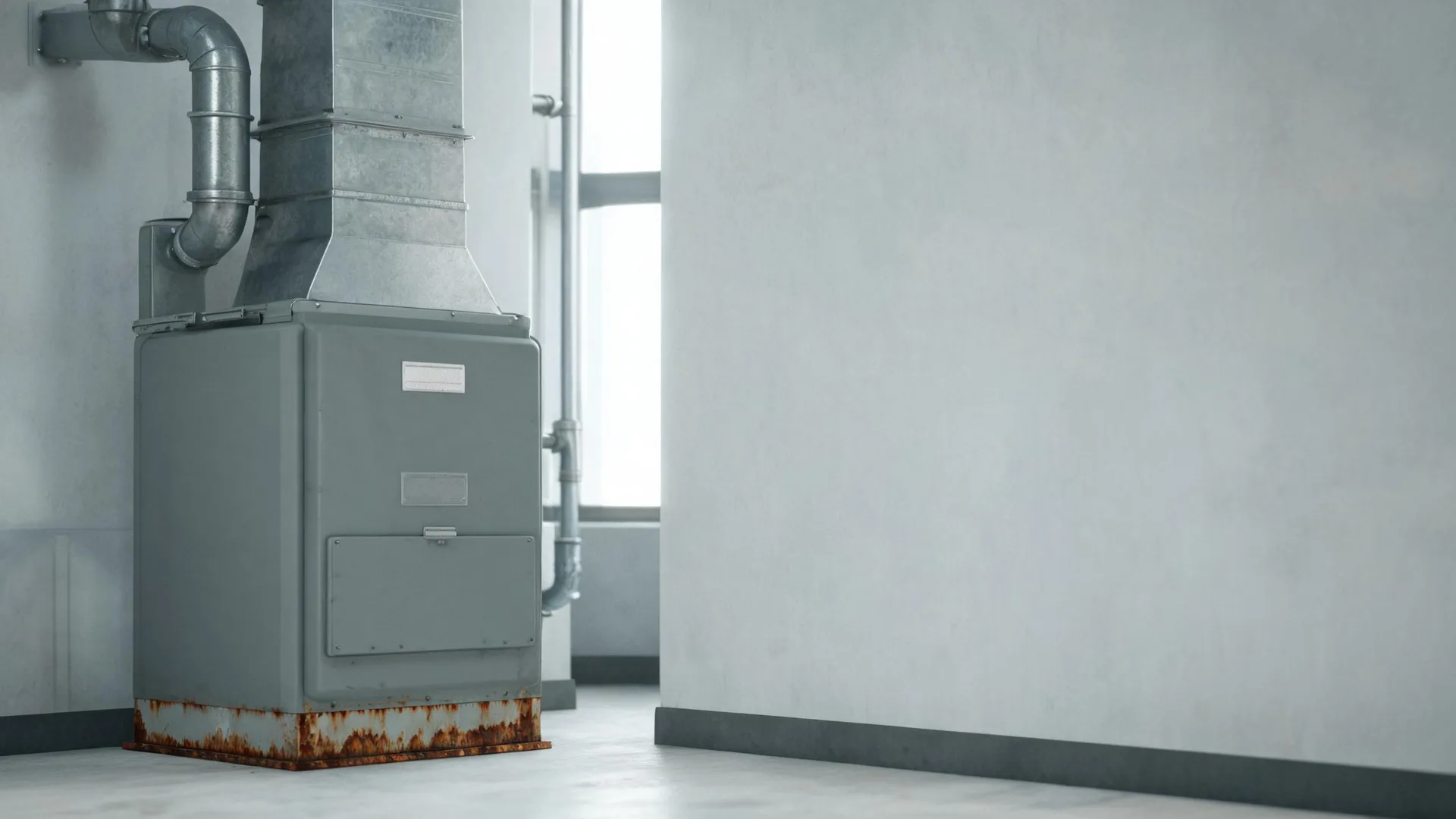
A gas furnace and sheet-metal air handler unit installed in an unfinished concrete basement.

Furnace Repair in Winnemucca, NV

Tell us about the job

Takes about a minute. No obligation.

RepairFurnace or heatingHumboldt County, NV
Step 1 of 2

What ZIP code is the job in?

Eight months of work a year

Furnaces in Humboldt County run from October through May. Overnight lows average 23°F through December, January and February, so the burner and blower are cycling on most nights through the winter, not just during a cold snap.

The ignition system and blower motor feel it first

A furnace running close to eight months a year puts most of its wear on the igniter and the blower motor before anything else. When one of those is the problem, it usually traces back to how much the system has been asked to do, not a defect or bad luck.

8 months
October through May, your furnace is on duty
23°F
the average winter night it heats against
69 winter storms
in ten years, the nights a failure hurts most
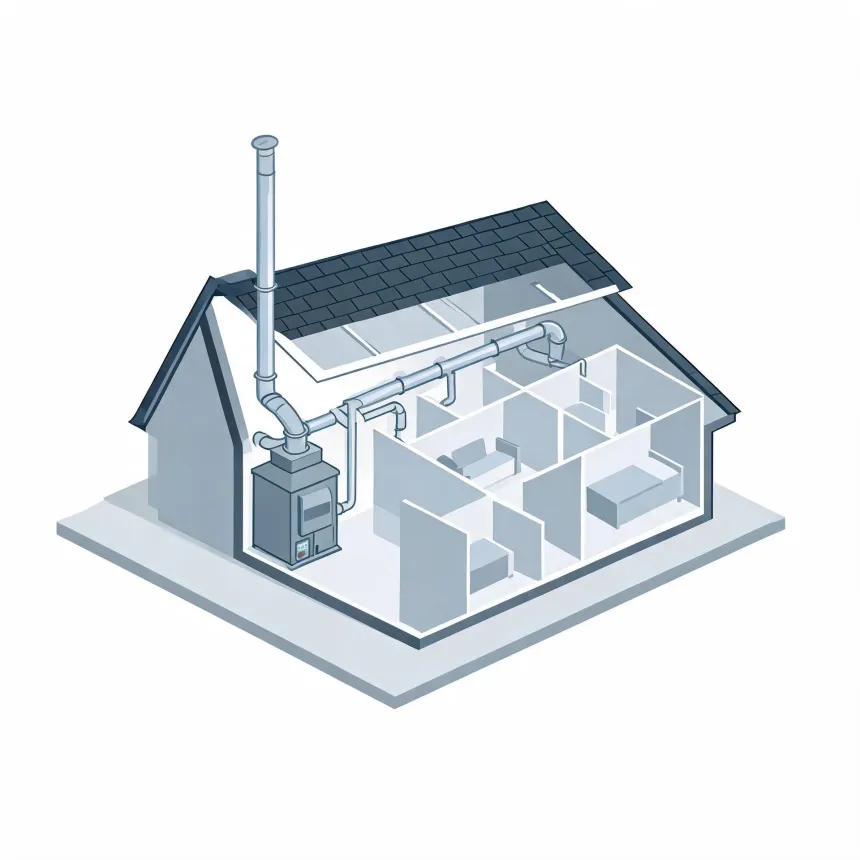
Isometric cutaway illustration of a house showing interior rooms with furniture, a furnace unit with a tall flue pipe outside, and ductwork running through the attic.
Your furnace works hardest from November through April.

NOAA nClimDiv, 1991–2020 normals

Winnemucca sees wind, winter storms and the occasional power outage, same as the rest of the county.

None of that is why your furnace needs a repair call. The usual parts wear out the usual way.

The gas bill keeps a running total on a furnace that's struggling

Heat runs October through May
Winter nights average 23°F
69 winter storms from 2015 to 2024
October is when a weak furnace shows itselfHeat runs October through May here, about eight months straight.

Gas here runs $17.91 per million Btu, among the higher rates in the country. A furnace that short cycles or runs longer than it should to hit the thermostat setting burns through that gas without heating the house any better. A cracked heat exchanger, a dirty burner, or a blower struggling to move air all make the furnace work harder to do the same job. That extra gas shows up on the bill every month the furnace runs, not just once. None of that gets cheaper by waiting.

A furnace working this hard needs a real diagnosis

The igniter and blower carry most of the load on a system that runs eight months a year. If one of them is failing, a proper look will find it and fix it so it holds through the rest of the winter.

Find a contractor
A gray gas furnace with attached ductwork and piping installed in an unfinished concrete basement.

What to check before you call

Check the thermostat first. Make sure it's set to heat and the set point is above room temperature. A weak battery in there causes more false alarms than people expect. Pull the filter and hold it to a light. If you can't see through it, the furnace may be shutting itself off early to protect the blower. Check the breaker panel, and look for a switch near the furnace itself, the kind that looks like a light switch. That gets bumped off more often than people think. If it's a gas furnace, confirm the gas valve is open and that other gas appliances in the house still have gas. If there's a viewing window, the flame should burn blue and steady. Yellow or flickering means shut it down and call someone. Last, look at the vent pipe where it exits the house or roof. Debris or ice blocking it means the furnace shouldn't run until it's clear. None of this points to the exact problem, but it rules out the easy stuff first.

A cracked heat exchanger gets worse every hour it runs

Metal that's already cracked keeps flexing with every heat cycle, and the crack grows. Left alone, it can start pushing exhaust into the air the blower sends through the house instead of out the vent pipe. This is the one problem on a furnace that's not worth waiting on.

A failing igniter or blower motor rarely fixes itself

An igniter that glows weak or cracks will keep failing to light the burner, and most furnaces lock out after a few failed attempts. A blower motor running on a bad bearing keeps drawing more current to do the same job until it seizes. Both tend to fail completely at the next cold snap, not on a mild day.

An unfinished basement containing a forced-air furnace with metal ductwork, exposed wooden ceiling joists, a hanging Edison bulb, and bare concrete floors.

A new furnace would cut about $140 a year off heating for a typical Humboldt County home.

  • A new high-efficiency furnace$640 a year
  • An older furnace$780 a year

Estimates for a typical Humboldt County home, compared with an older unit built to the previous federal minimum, from EIA household energy data, Nevada fuel prices and NOAA climate normals. Your home will differ.

Repair makes sense when one part has failed and the heat exchanger is sound.

Replacement makes sense when the heat exchanger is cracked or the furnace keeps needing parts.

A diagnostic visit starts with questions. When the furnace quit. What it was doing right before. Whether you smelled anything or heard a bang at startup. Then the tech pulls the panel and watches a full cycle. Thermostat calls for heat, igniter glows, gas valve opens, burner lights, blower starts. Where that sequence stops is the problem. A furnace that tries to light and locks out points at the igniter or the flame sensor. A furnace that lights but never moves air points at the blower or its control board. A tech will also check static pressure in the ducts, and look at the heat exchanger with a camera if the burner pattern looks off. Most calls end with one part named, not a list of maybes.