



An unfinished basement featuring concrete block walls, exposed floor joists, a bare concrete floor, and a forced-air furnace with a large metal exhaust duct in the corner.

Furnace Repair in Dyer, NV

Tell us about the job

Takes about a minute. No obligation.

RepairFurnace or heatingEsmeralda County, NV
Step 1 of 2

What ZIP code is the job in?

Furnaces in Dyer run long and hard. Heat stays on from October through May, and overnight lows average 24°F through December, January and February. That is eight months of steady work for the igniter, the blower motor, and everything else that cycles on and off to keep the house warm. None of that makes the furnace break in some unusual way. It just means the normal wear happens on schedule. A furnace that is short-cycling, blowing cold air, or tripping its limit switch here is almost always failing for the same reasons it would anywhere else. Find the part that quit and replace it, and it runs like it should.

8 months
October through May, your furnace is on duty
24°F
the average winter night it heats against
8 winter storms
in ten years, the nights a failure hurts most
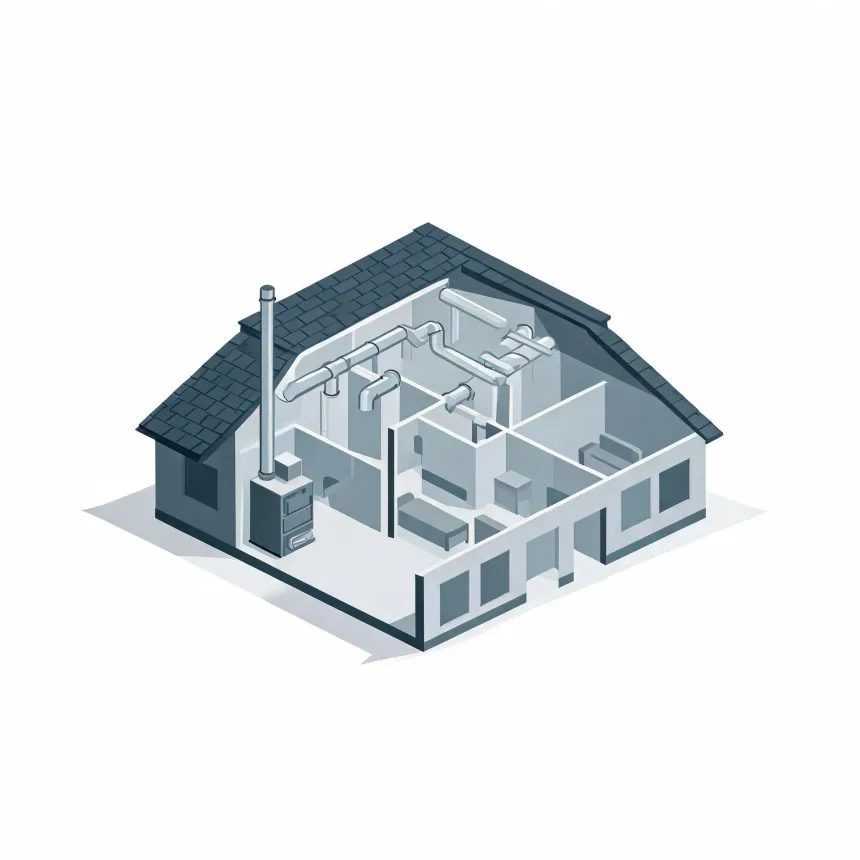
Isometric grayscale illustration of a cutaway house showing interior rooms, ceiling ductwork, a flue pipe, and a furnace unit on the left side.
Your furnace works hardest from November through March.

NOAA nClimDiv, 1991–2020 normals

A furnace that clicks over and over without lighting usually has a bad igniter or a dirty flame sensor.

Swapping that one part is a small job, not a reason to replace the furnace.

Furnace repair before OctoberHeat starts in October here, and problems usually show up the first cold week.

Half the homes in Esmeralda County were built in 1986 or earlier, which means a lot of furnaces here have already been swapped out at least once. That matters when you're figuring out what's wrong. An original furnace that's never been touched is a different call than one put in during a more recent replacement. Mobile homes are close to a third of the housing stock in the county too, and furnaces in those run on the same parts as anywhere else, just set up in a tighter space. None of it changes how the problem gets found. A bad igniter is a bad igniter whether the furnace is new or old, in a mobile home or a house built on site.

Get the usual fix

Nothing about this area is especially hard on it. It's most likely the usual problem with the usual fix.

Find a contractor
A man in a cap, long-sleeve shirt and work pants climbs porch steps toward a dark blue front door, carrying a worn canvas tool bag, with a small potted evergreen beside the entry.
A gas furnace with attached ductwork, gas piping, and condensate lines installed in a concrete-block basement.

Running it longer doesn't buy you anything

A furnace that's struggling doesn't fix itself by staying on. If the flame sensor is coated and missing the pilot flame partway through, the furnace shuts down early, over and over, and every one of those cycles puts more wear on the igniter and the limit switch. If the blower motor is drawing more current than it should because the bearings are going, running it longer just pushes it toward the point where it seizes instead of slows down. A cracked heat exchanger is the one that matters most. It won't get worse because the furnace is tired. It gets worse because every cycle flexes the metal at the crack a little further, and that's a safety problem, not a wear problem. None of these get better on their own. A furnace that's limping along and left alone is a furnace working its way toward the part that finally gives out.

It's usually the igniter or the sensor

A furnace that won't light or shuts down early is almost always the igniter, the flame sensor, or the pressure switch. The igniter cracks with age and stops glowing hot enough to catch the gas. The flame sensor gets a layer of coating on it and stops sensing the flame that's right in front of it. The pressure switch fails and won't let the gas valve open even though the inducer motor is running fine. Each one is a small part that does one job, and when that job stops happening, the furnace shuts itself down rather than run unsafely.
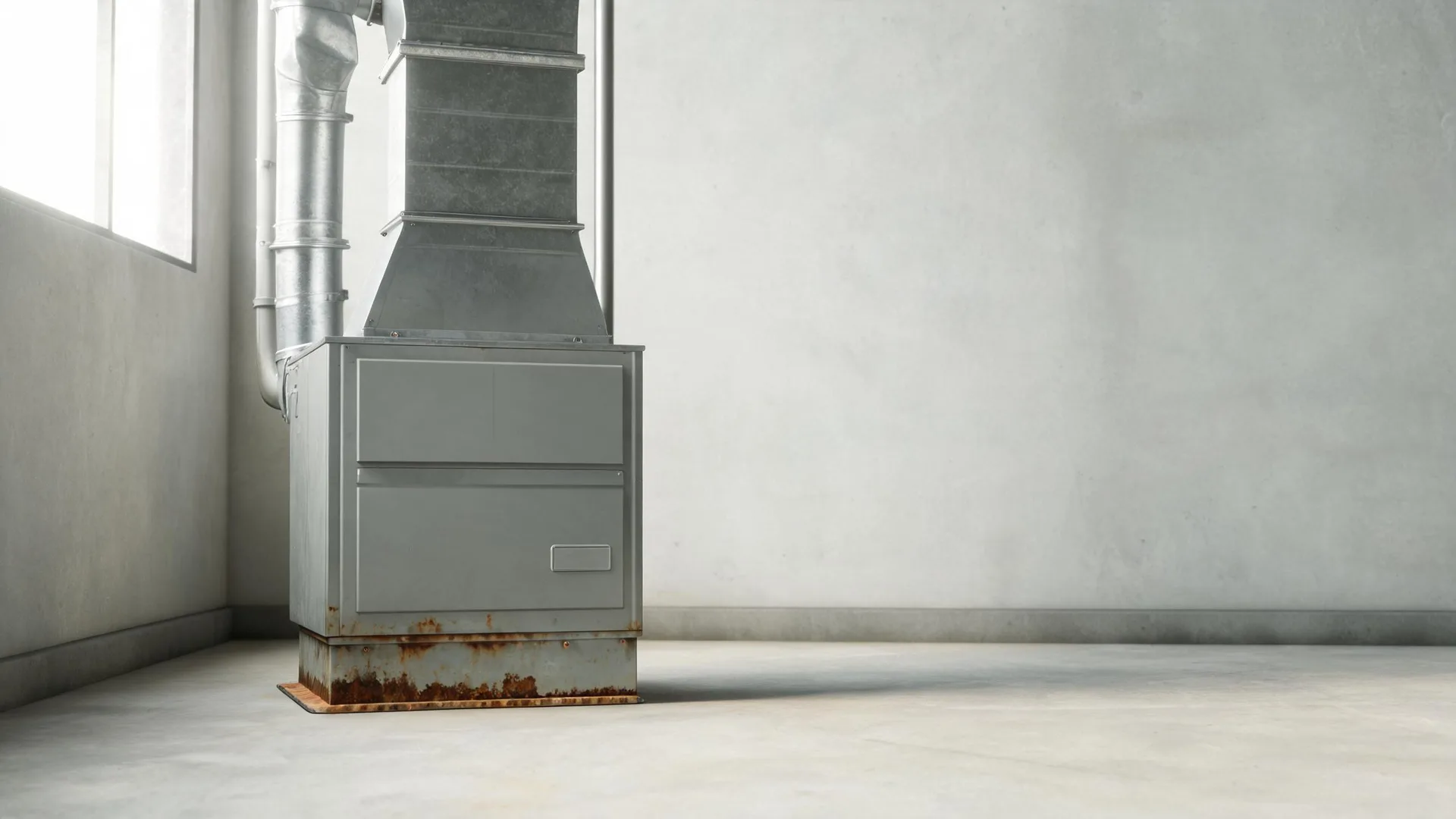
The blower motor and the heat exchanger are the bigger jobs

Bearings in the blower motor wear out the same way any motor bearing does, and a motor that's starting to go will run hot, run loud, or stop starting on the first try. The heat exchanger is the part worth taking seriously. It's a sealed chamber that heats the air passing over it, and if it cracks, that crack lets combustion gas into the air moving through the house. That's the failure that's a safety call, not a wear call, and it's also the reason a furnace gets condemned instead of repaired.

A tech starts by asking what the furnace was doing right before it quit. Short-cycling, cold air, no start at all, each one points somewhere different before a single tool comes out. The cover comes off and the burner gets a look. Flame should be steady and blue, not yellow, not lifting off the burner. The igniter gets tested for resistance. The flame sensor gets pulled and checked for coating. The pressure switch gets checked against what the inducer motor is actually doing, with the furnace running, because a part can look fine sitting still and still fail under load. If the heat exchanger is in question, that gets checked too. Nobody should be guessing about a crack in that part.