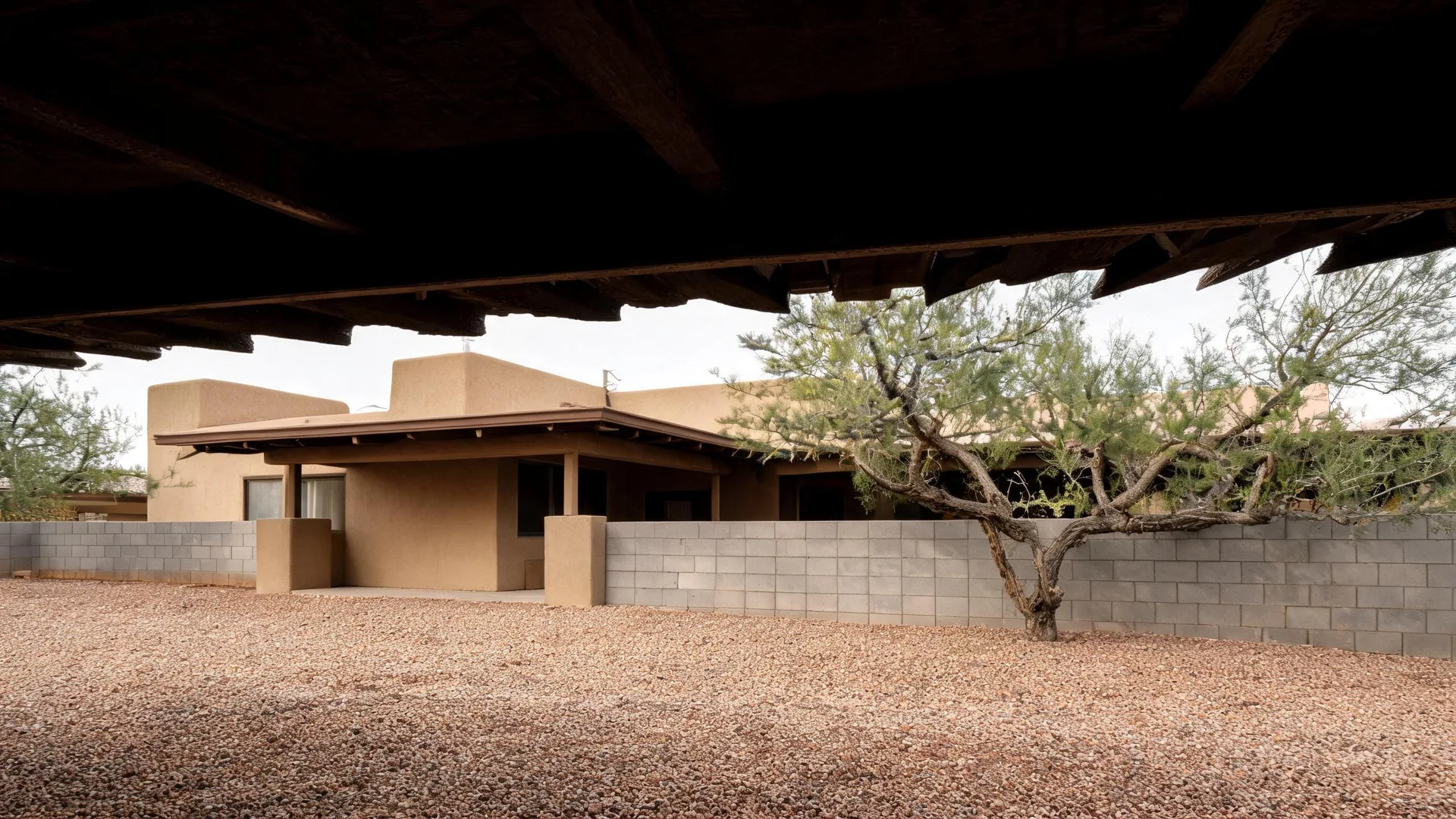



A single-story tan stucco house with wide overhanging eaves seen from beneath a dark wooden canopy, behind a concrete block wall, with a gravel yard and a mesquite-like tree in the foreground.

Furnace Repair in Elko, NV

Tell us about the job

Takes about a minute. No obligation.

RepairFurnace or heatingElko County, NV
Step 1 of 2

What ZIP code is the job in?

Your furnace in Elko County runs about ten months a year, September through June. That's most of the calendar, not just a few cold weeks. Overnight lows average 17°F through December, January and February, so the system is pushing hard on its coldest nights, not just ticking over. Winter storms hit this county often, heavy snow, ice, blizzards, 341 of them in the last ten years. That kind of workload wears out an igniter or a blower motor sooner than it would somewhere milder. When something starts acting up, it's usually that long runtime catching up with the machine, not a fluke.

10 months
September through June, your furnace is on duty
17°F
the average winter night it heats against
341 winter storms
in ten years, the nights a failure hurts most
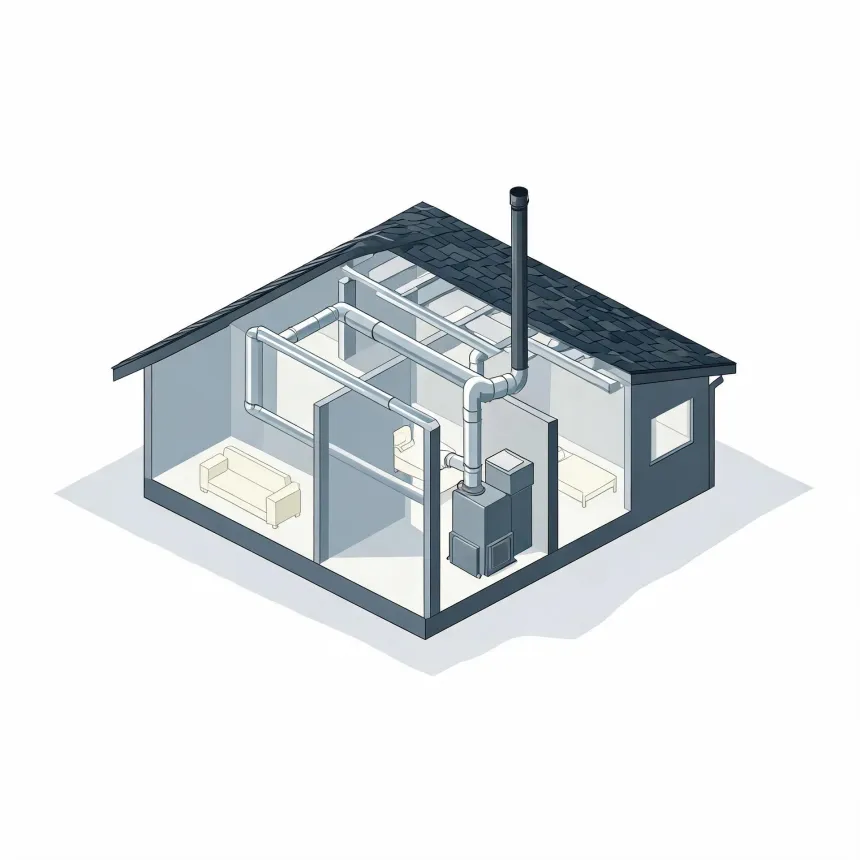
Isometric cutaway illustration of a small single-story house showing a furnace with a flue pipe through the roof and ducting running to rooms containing a sofa, chair and bed.
Your furnace works hardest from November through April.

NOAA nClimDiv, 1991–2020 normals

An igniter failing means swapping one part during a single visit.

A cracked heat exchanger means pricing out a new furnace instead.

September starts the season, and that's when a weak part gives out

Heat runs September through June
Winter nights average 17°F
341 winter storms from 2015 to 2024

Half the homes in Elko County were built in 1990 or later. If yours is one of them, the furnace is likely still within its working life even with all the work it does here. A furnace that age failing outright is less common than one needing a part replaced, an igniter, a blower motor, a flame sensor. Worth checking when your system went in, if you don't already know. That one detail points toward repair over replacement most of the time.

Get the part checked before it fails outright

A furnace that runs ten months a year on nights this cold doesn't get to coast. If yours is acting up, have someone look at the actual part, the igniter or the blower, before it quits for good.

Find a contractor
A gray residential gas furnace installed in an unfinished basement, surrounded by ductwork, a metal flue pipe, and a gas supply line.

A newer furnace means one part is likely failing, not the whole system

A furnace built into a newer house hasn't had as many years to wear down. If it's acting up now, that points to one part doing the failing, not the whole unit giving out. Have the tech name the part, the igniter or the blower, before anyone talks about replacing the furnace.

Check these before you call

Look at the thermostat first. Make sure it's set to heat, not cool, and set above room temperature. Check the breaker for the furnace, and look for a switch that resembles a light switch near the unit, mounted on the side or on a nearby wall. That switch cuts power for service and gets bumped off by accident. Pull the filter and hold it up to a light. If you can't see light through it, that's restricting airflow, and that alone can make the furnace shut itself off.
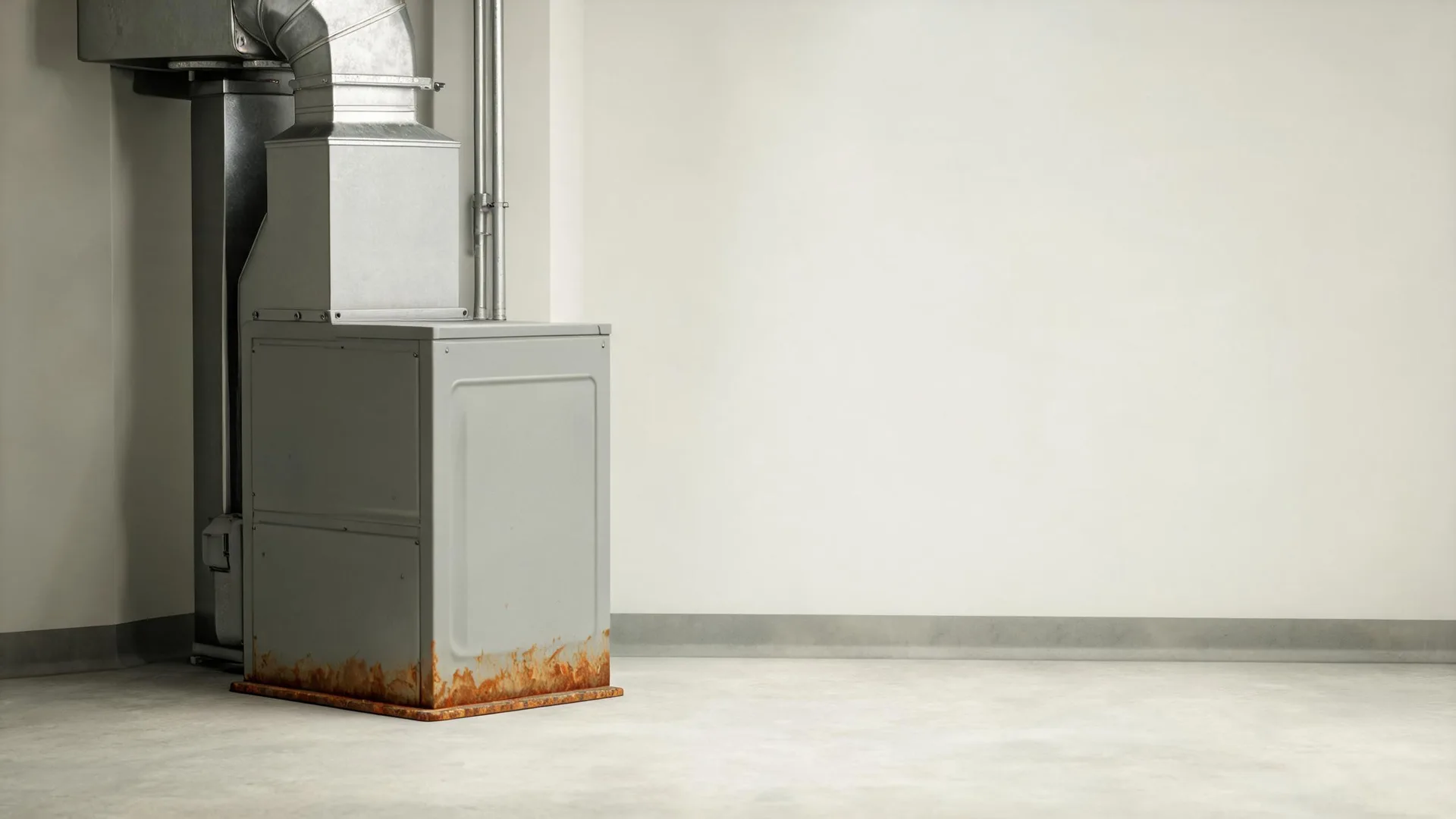
What these checks rule out

None of this fixes a worn igniter or a failed blower motor. What it does is separate a real repair from a simple reset. If the thermostat was off or the switch was tripped, you just saved a service call. If the filter was clogged, swapping it might solve the problem outright. If the furnace still won't run after that, or it runs and still isn't heating, that's a part worth having a tech look at.

A furnace usually tells you something is wrong before it quits outright. Short cycling is one of the clearest signs, where it fires up, runs a couple minutes, then shuts off before the house warms. That often points to a cracked heat exchanger, a dirty flame sensor, or airflow trouble. A burner flame that's flickering yellow instead of steady blue means it isn't burning clean, and that's worth having looked at soon. Listen for a boom at startup, that's delayed ignition, usually a dirty burner or a failing igniter, and it stresses the heat exchanger every time it happens. Warm air that smells scorched or metallic as it comes through the vents is also worth paying attention to. If the blower runs constantly, or runs but the air coming out isn't warm, the problem is usually in the ignition system or the gas valve rather than the fan itself.

A furnace rarely fails without warning. Most parts wear down over several seasons before they quit for good, which is why age and symptoms together tell you more than either one alone. A cracked heat exchanger is the one thing that usually does call for replacing the unit rather than the part, since it sits at the center of the furnace and isn't swapped out on its own. Everything else, the igniter, the blower motor, the flame sensor, the gas valve, gets replaced individually, and doing that keeps a furnace running for years past when any single part first failed. The question worth asking a tech isn't whether the furnace is old. It's whether the part that failed is one you replace once, or one that tends to take others with it.