



View from a shaded covered porch of a single-story stucco house with a recessed entry, gravel ground cover, a concrete block wall, and a large multi-trunked tree under an overcast sky.

Furnace Repair in Virginia City, NV

Tell us about the job

Takes about a minute. No obligation.

RepairFurnace or heatingStorey County, NV
Step 1 of 2

What ZIP code is the job in?

Your furnace in Virginia City runs about eight months of the year, October through May. Overnight lows average 25°F across December, January and February, and the furnace is what stands between your house and that cold. Storms hit this county often, and each one means the furnace runs longer to keep up. That steady demand wears on an igniter, a blower motor, a flame sensor, parts that would last longer with a lighter workload. When something finally acts up, it's usually not bad luck. It's the system telling you it's been working too hard for too long.

8 months
October through May, your furnace is on duty
25°F
the average winter night it heats against
99 winter storms
in ten years, the nights a failure hurts most
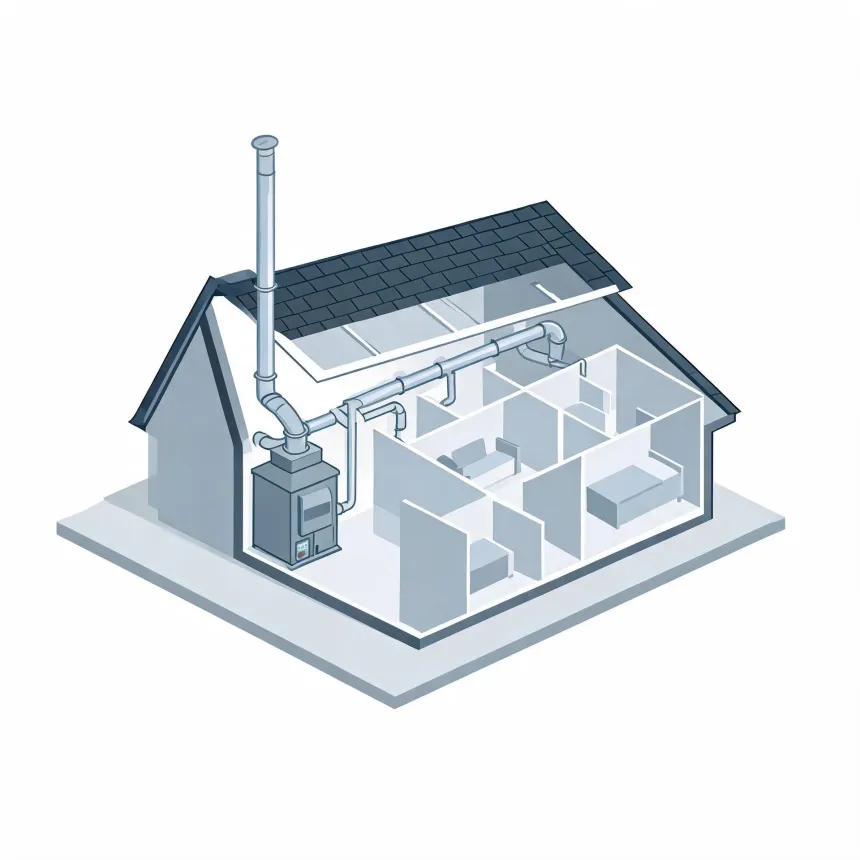
Isometric cutaway illustration of a house showing interior rooms with furniture, a furnace unit with a tall flue pipe outside, and ductwork running through the attic.
Your furnace works hardest from November through April.

NOAA nClimDiv, 1991–2020 normals

A furnace that short cycles, turning on and off before the house warms up, isn't finishing its heating cycle.

Short cycling puts the strain on the igniter and the blower motor, and one of them is usually what fails next.

September is when a weak furnace gets found out

Heat runs October through May
Winter nights average 25°F
99 winter storms from 2015 to 2024

Half the houses in Storey County went up in 1989 or later, which puts a lot of furnaces here well short of the end of their working life. If yours came with a newer build, it hasn't logged as many hard winters yet. That's usually a point in favor of repairing it when something goes wrong rather than assuming the worst. About one in five homes in the county is a mobile home, and furnaces in those sit in a smaller space with different venting and clearances. If that's your situation, mention it when you call.

A furnace running rough costs you every time it kicks on

Most homes here heat with propane, and Nevada's propane ran $31.51 per million Btu in 2024. A furnace that's short cycling or struggling to keep up isn't just uncomfortable, it's burning that propane without finishing the job. The longer it runs rough, the more it costs you to keep the house warm.

Find a contractor
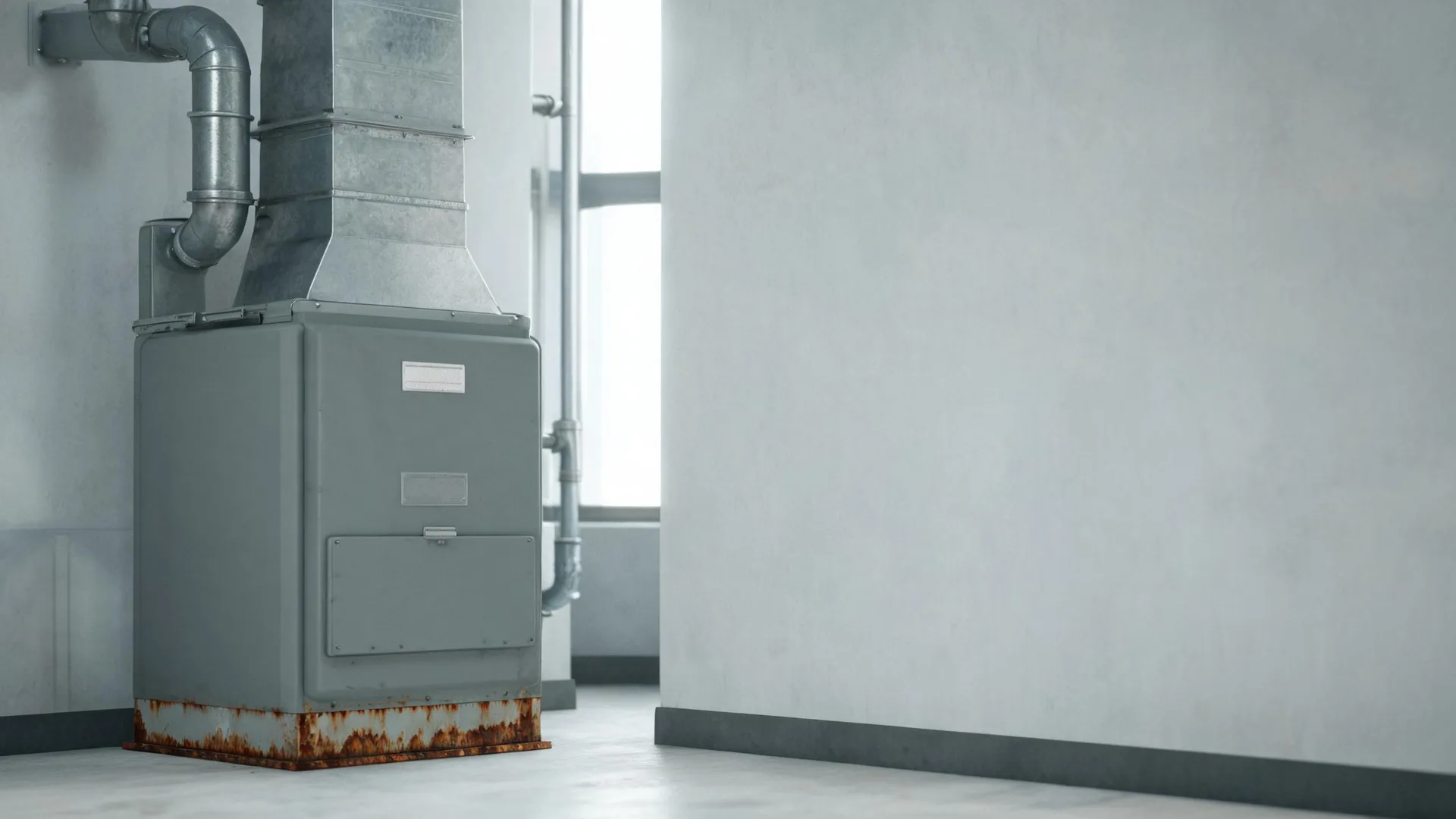
A gray gas furnace with attached ductwork and piping installed in an unfinished concrete basement.

Eight months a year adds up to a lot of wear

Get the actual cause checked before winter, not after. A furnace that's been running eight months a year since whatever winter it was installed has had plenty of chances to wear a part down, and a tech who looks at it now can tell you if that's what's going on or if it's something else. Fixing the real problem once beats paying to patch the symptom every few weeks.

What the tech checks first

A tech starts by running the furnace through a full cycle instead of just looking at it sitting there. They watch the ignition sequence, check the flame, and pull the panel to look at the flame sensor and igniter directly. A cracked igniter, a sensor coated in residue, a pressure switch that won't close, most failures leave a mark one way or another. Finding which one it is usually takes longer than fixing it.
Why they test instead of guess

A furnace can throw the same symptom for different reasons. No heat might mean a dead igniter, a closed gas valve, or a blower motor that never kicks on. The tech checks voltage, gas pressure and airflow separately so the repair matches what actually failed. Replace a part that wasn't the problem and the same call comes back next month.

Most furnace failures come down to a handful of parts that wear out doing their job, not defects. The igniter cycles on every heat call and gets brittle with age, until one day it cracks and won't glow hot enough to light the gas. A flame sensor sits right in the burner flame and slowly collects a film of oxidation, and once that film is thick enough the sensor can't tell the furnace a flame is there, so the system shuts the gas back off as a safety measure. The blower motor runs longer than almost anything else in the house, and its bearings eventually wear to the point where it struggles to start or runs loud. A pressure switch can fail stuck open or stuck closed, and either way the furnace reads it as a venting problem and refuses to fire. None of these parts fail because someone did something wrong. They fail because they're the ones doing the work every time the furnace runs.

Age by itself doesn't tell you whether to repair or replace. What matters is what's actually failing and how often. A single part giving out, an igniter, a pressure switch, a blower motor, is a repair, even on an older furnace, because the rest of the system isn't what broke. It's a different conversation when the furnace needs a new part every season, or when the heat exchanger is what's in question, since that part isn't something to patch. A tech who's found the actual cause can tell you which situation you're in. Guessing at it from the outside, or from how old the furnace is, usually guesses wrong in one direction or the other.