An unfinished basement featuring concrete block walls, exposed floor joists, and a metal forced-air furnace with ductwork near a central pillar.

Furnace Repair in Fallon, NV

Tell us about the job

Takes about a minute. No obligation.

RepairFurnace or heatingChurchill County, NV
Step 1 of 2

What ZIP code is the job in?

Eight months of real work

Furnaces in Fallon run from October through May. That is long enough that worn parts show themselves, an igniter that cracks, a blower motor that wears out, a flame sensor coated with buildup. Nothing unusual is happening here, just a machine getting the use it was built for.

What that means for a repair

With overnight lows averaging 22 degrees in December and January, a furnace that is struggling needs a real diagnosis, not a guess. Most problems trace back to one part doing less than it should. Finding that part is what fixes it, and what keeps it fixed.

8 months
October through May, your furnace is on duty
22°F
the average winter night it heats against
55%
of homes here heat with gas, so most furnaces here burn gas
10 winter storms
in ten years, the nights a failure hurts most
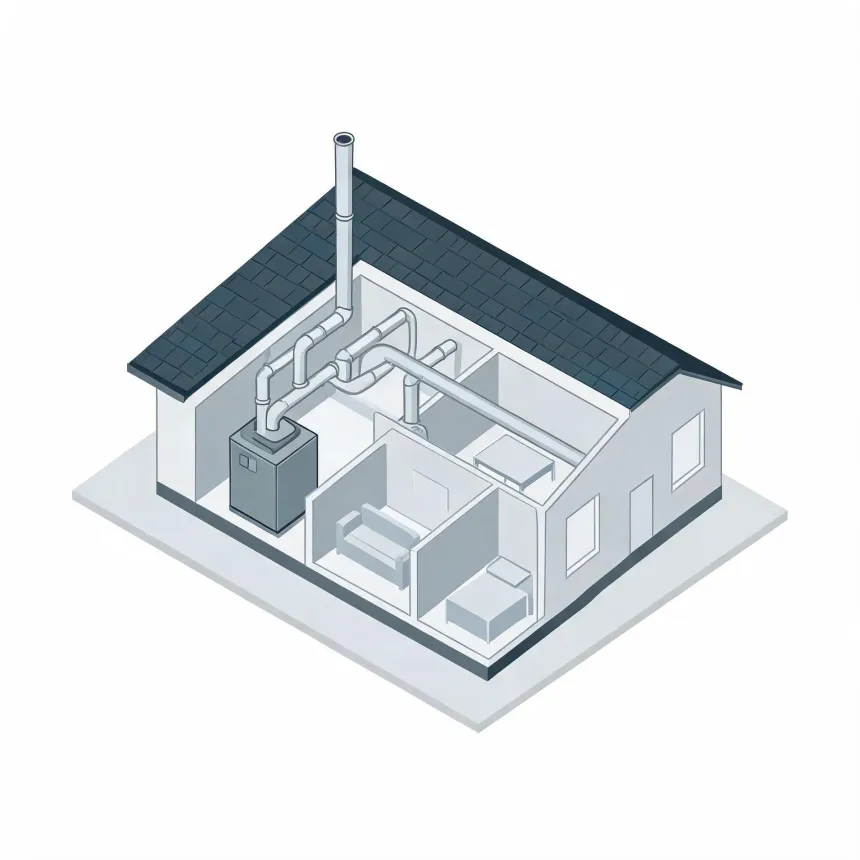
Isometric cutaway illustration of a single-story house showing a gray furnace connected to white ductwork and a flue pipe extending through the shingled roof, with simplified furniture in the interior rooms.
Your furnace works hardest from November through March.

NOAA nClimDiv, 1991–2020 normals

Check the thermostat batteries and the switch on the furnace itself before anything else.

A dead battery or a flipped switch looks exactly like a bigger problem, and either one rules itself out in a minute.

Half the homes here were built in 1990 or later, so most furnaces aren't old enough to be the problem

Half the homes here were built by 1990
Heat runs October through May
Winter nights average 22°F
Nothing unusual here, just the usual wearNatural gas ran $17.91 per million Btu in Nevada in 2024, same furnace either way

So when a furnace here starts acting up, the smart move is almost always to get it fixed rather than start pricing out a new one. A furnace that came with a house built in the last few decades hasn't had the years behind it to wear out on its own. Something specific is going wrong, a part failing or working harder than it should, and that is the kind of thing a repair sorts out. Replacement makes sense when a unit is old enough that one failure tends to lead to the next. That's not the situation most homeowners here are in.

Get the usual fix

Nothing about this area is especially hard on it. It's most likely the usual problem with the usual fix.

Find a contractor
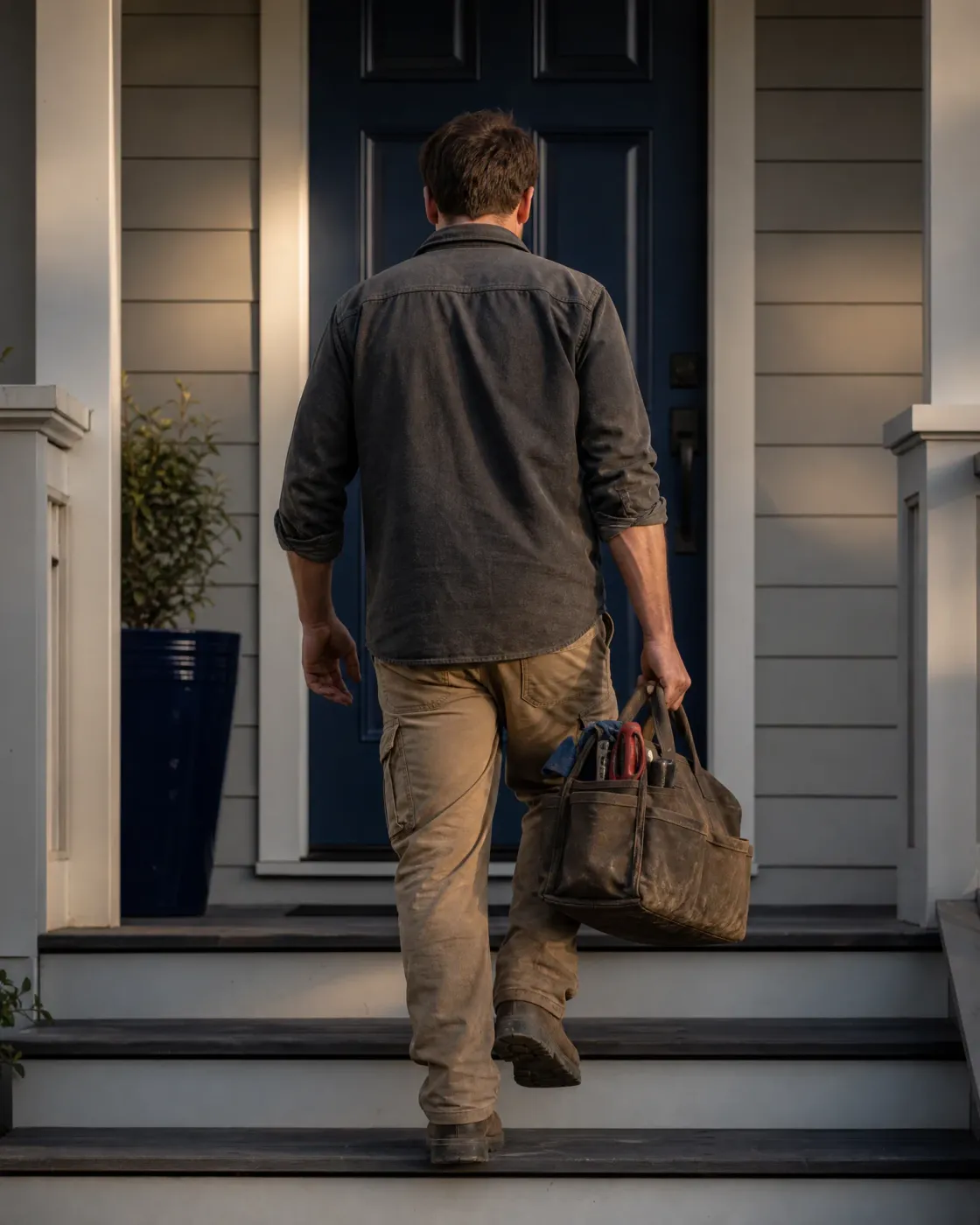
A man in a dark work shirt, tan cargo pants and boots, seen from behind, climbs porch steps toward a navy front door while carrying a worn leather tool bag.
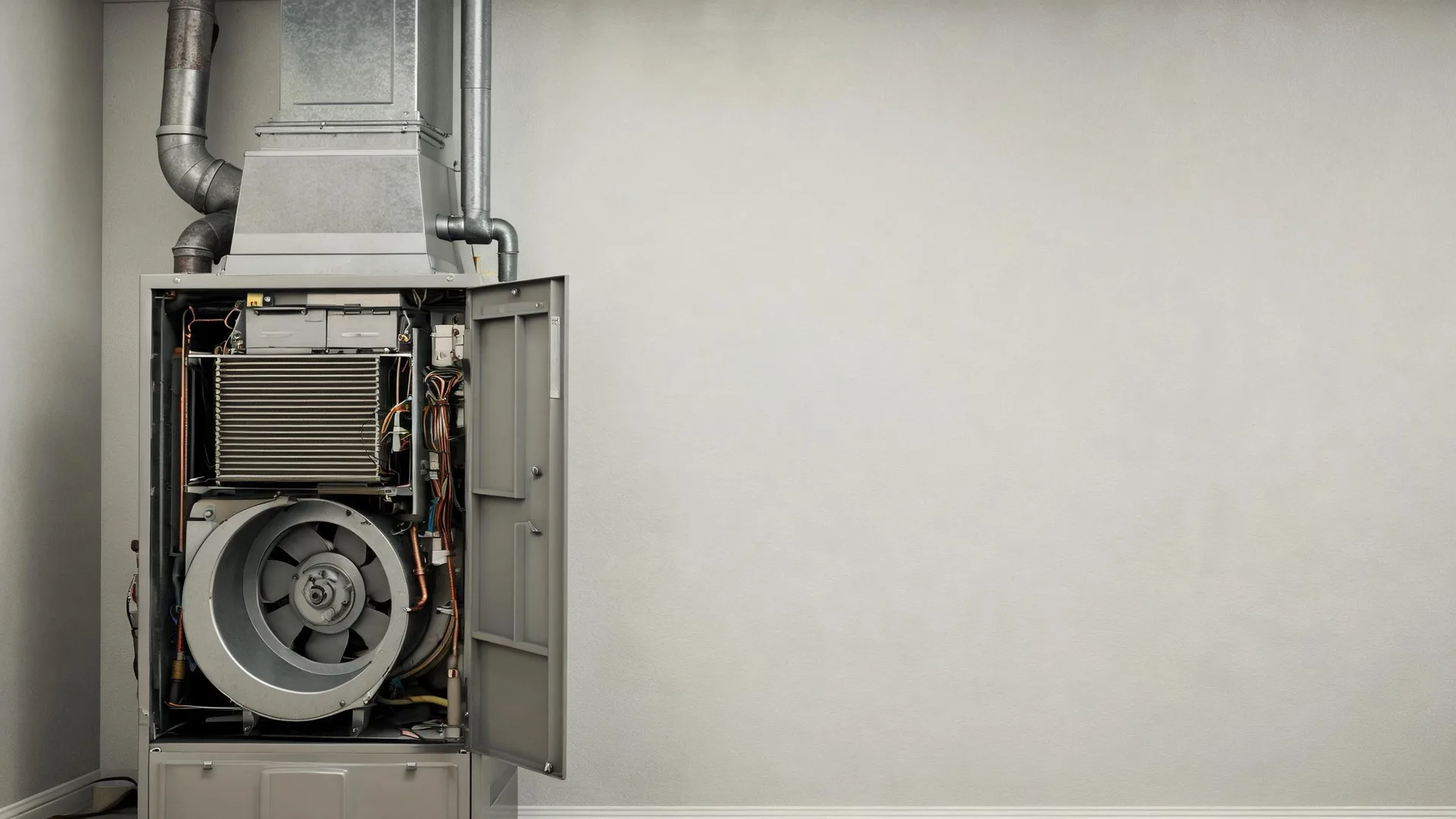
A gray high-efficiency gas furnace installed in an unfinished basement, surrounded by gas lines, a condensate drain, and sheet-metal ductwork.

Running it while something's wrong doesn't buy time

A furnace that's struggling doesn't fail all at once. A cracked igniter still lights the burners, just not every time, so the furnace tries again and again until it locks itself out. A flame sensor coated with buildup reads a weaker flame than what's actually there, and the control board shuts the gas off to be safe, even mid-cycle. Left alone, that cycle repeats itself more often, not less. A blower motor running on worn bearings keeps pushing air, but it's pulling more current to do it, and that kind of strain tends to end in the motor failing outright instead of just running rough. None of this gets easier by waiting. The part that's struggling now is the same part that quits later, just with less warning.

What you'll notice first

The furnace runs longer to reach the same temperature, or it short cycles, kicking off a few minutes after it starts. Short cycling usually means the flame sensor can't confirm a steady flame or the air filter is choked enough that the heat exchanger overheats and trips a safety switch. Either way, the furnace is telling you something before it quits outright.

What you'll notice later

A furnace that's been struggling for a while starts making itself known in sound and smell. A grinding or squealing blower motor means the bearings are going. A burning dust smell that doesn't clear after the first run of the season means something's overheating that shouldn't be. A yellow flame instead of blue means incomplete combustion, and that one's worth a same-day call, not a wait and see.

A gray forced-air furnace with ductwork stands in an unfinished concrete basement surrounded by storage items and clutter.

A new furnace would cut about $120 a year off heating for a typical Churchill County home.

  • A new high-efficiency furnace$570 a year
  • An older furnace$690 a year

Estimates for a typical Churchill County home, compared with an older unit built to the previous federal minimum, from EIA household energy data, Nevada fuel prices and NOAA climate normals. Your home will differ.

Repair makes sense when one part has failed and the heat exchanger is sound.

Replacement makes sense when the heat exchanger is cracked or the furnace keeps needing parts.

A diagnostic visit starts before any panel comes off. The tech asks what the furnace is doing, when it started, whether it happens every cycle or just some. That narrows things down before a single tool comes out. Then the cover comes off and the tech watches it run through a full cycle, ignition, flame, blower kicking in, rather than guessing from a cold unit. Readings tell the rest. The flame sensor's signal, the temperature rise across the heat exchanger, the current the blower motor is drawing. A part can look fine and still be failing, which is why these get tested rather than eyeballed. By the end, the tech can point to the one part that's doing less than it should and explain what it's done to the parts around it.