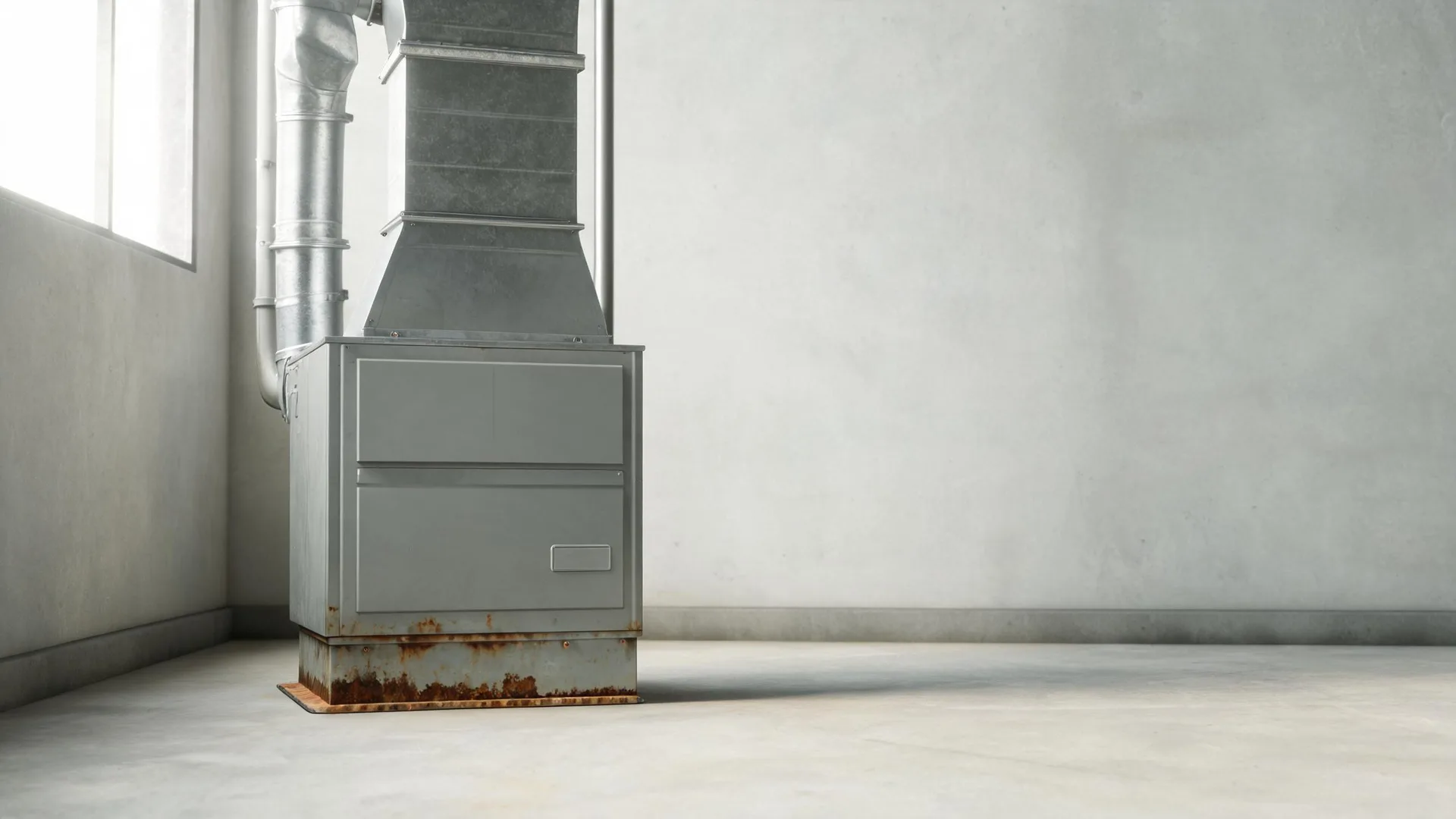
An unfinished basement featuring concrete block walls, exposed floor joists, a bare concrete floor, and a forced-air furnace with a large metal exhaust duct in the corner.

Furnace Repair in Carson City, NV

Tell us about the job

Takes about a minute. No obligation.

RepairFurnace or heatingCarson City, NV
Step 1 of 2

What ZIP code is the job in?

Eight months of work a year

Furnaces here run October through May, with overnight lows averaging 25°F in December, January and February. That's a long stretch of hard running every winter, and it adds up on the igniter, the blower motor and the heat exchanger.

Storms push it harder still

Carson City saw 221 winter storms between 2015 and 2024, counting heavy snow, ice and blizzards. On those nights your furnace runs longer and more often just to keep up, and that kind of strain is usually what's behind a system acting up.

8 months
October through May, your furnace is on duty
25°F
the average winter night it heats against
76%
of homes here heat with gas, so most furnaces here burn gas
221 winter storms
in ten years, the nights a failure hurts most
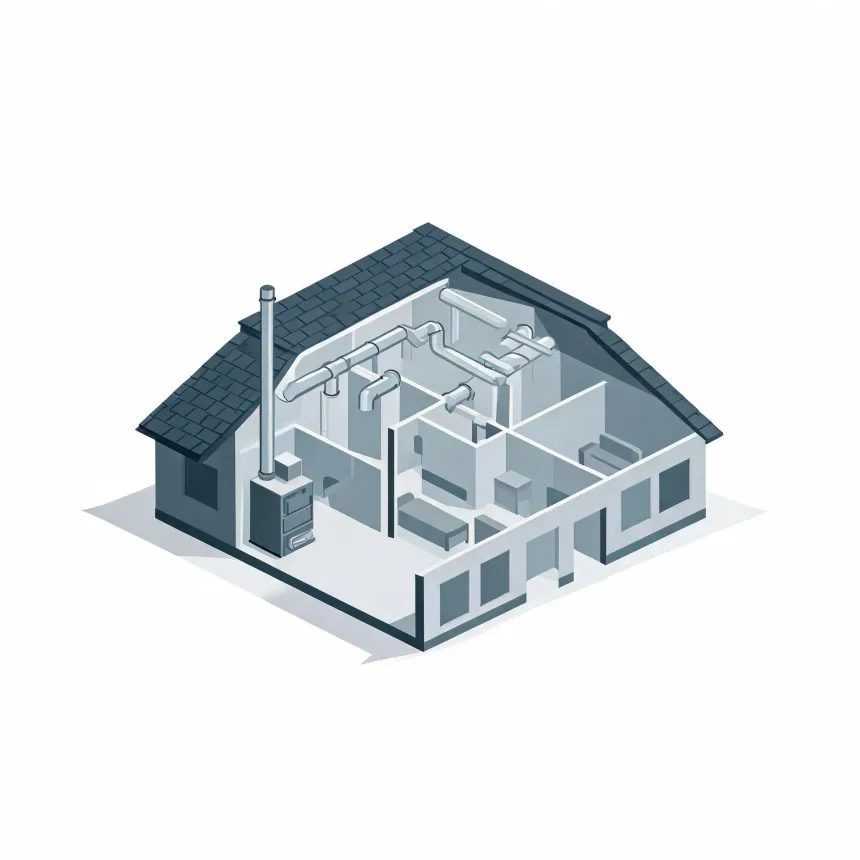
Isometric grayscale illustration of a cutaway house showing interior rooms, ceiling ductwork, a flue pipe, and a furnace unit on the left side.
Your furnace works hardest from November through April.

NOAA nClimDiv, 1991–2020 normals

September is the last quiet month before your furnace takes over.

Get it looked at now, because October is when a weak part usually gives out.

Half the homes in Carson City were built in 1981 or later, so there's a good chance your furnace is sitting in a house newer than the county's median. That doesn't tell you the age of the unit itself. But a newer house usually means a newer system, and a newer system acting up is more often a stuck part than a dying one. A bad igniter or a worn blower motor is a repair, not a replacement, in a system that still has years ahead of it. Worth finding out which one you've got before anyone talks about a new furnace.

This is probably a normal repair, not a new furnace

Gas here runs $17.91 per million Btu, so a furnace that's cycling too much or not heating right is worth fixing rather than ignoring. Nothing about Carson City winters points to anything unusual going on inside your furnace. Most likely it's an igniter, a blower motor or another single part worth repairing.

Find a contractor
A gas furnace with attached ductwork, gas piping, and condensate lines installed in a concrete-block basement.

Hard running catches up with parts

If your furnace has been short cycling or struggling to keep up, that's worn parts talking, not a bad system. Have it looked at before the next storm night asks it for everything it has. Finding a tired igniter or blower motor on a calm day beats finding out about it when it's 25 degrees outside and the wind is up.

A cracked heat exchanger gets worse, not better

A small crack opens wider every time the metal heats up and cools down through a normal cycle. Running the furnace on a cracked exchanger lets combustion gases mix into the air it blows through the house, and that turns a repair into a safety problem.

A failing igniter can take other parts with it

When an igniter is going bad, the furnace tries again and again to get a flame lit. Each failed attempt puts a hard start on the blower motor and strains the control board, so a problem that starts in one part doesn't always stay there.

An unfinished basement containing a gray HVAC furnace with ductwork, exposed wooden joists, a concrete floor, and miscellaneous clutter in one corner.

A new furnace would cut about $130 a year off heating for a typical Carson City home.

  • A new high-efficiency furnace$600 a year
  • An older furnace$730 a year

Estimates for a typical Carson City home, compared with an older unit built to the previous federal minimum, from EIA household energy data, Nevada fuel prices and NOAA climate normals. Your home will differ.

Repair makes sense when one part has failed and the heat exchanger is sound.

Replacement makes sense when the heat exchanger is cracked or the furnace keeps needing parts.

A furnace is a handful of parts that wear on their own schedule, not one thing that goes bad all at once. The igniter is usually first, since it heats and cools every single cycle and eventually gets brittle enough to crack. A blower motor fails slower, through bearings that wear down over years of running. A heat exchanger is the one part where age matters more than anything else, since metal fatigues after enough cycles of heating and cooling no matter how well it's been looked after. The question worth asking isn't how old the furnace is, it's which part is acting up. A bad igniter or blower motor is a straightforward repair on almost any furnace still in reasonable shape. A cracked heat exchanger is the one failure that usually ends the conversation, because at that point you're replacing the exchanger or the furnace, not patching it.