





A bare concrete basement containing a gray gas furnace with metal ductwork and a vertical flue pipe, lit by a single hanging bulb.

Furnace Repair in Fernley, NV

Tell us about the job

Takes about a minute. No obligation.

RepairFurnace or heatingLyon County, NV
Step 1 of 2

What ZIP code is the job in?

Furnaces in Fernley run eight months a year, October through May. Overnight lows average 23°F through December, January and February, so the burner is cycling on for most of the day and night, not just a few hours in the evening. Lyon County has had well over a hundred winter storms in the last decade, the kind of cold snap that pushes a furnace hardest right when you need it most. That much runtime wears on an igniter, a flame sensor, a blower motor. If yours is acting up, it's usually not bad luck. It's a part that's been working hard for months finally giving out.

8 months
October through May, your furnace is on duty
23°F
the average winter night it heats against
68%
of homes here heat with gas, so most furnaces here burn gas
126 winter storms
in ten years, the nights a failure hurts most
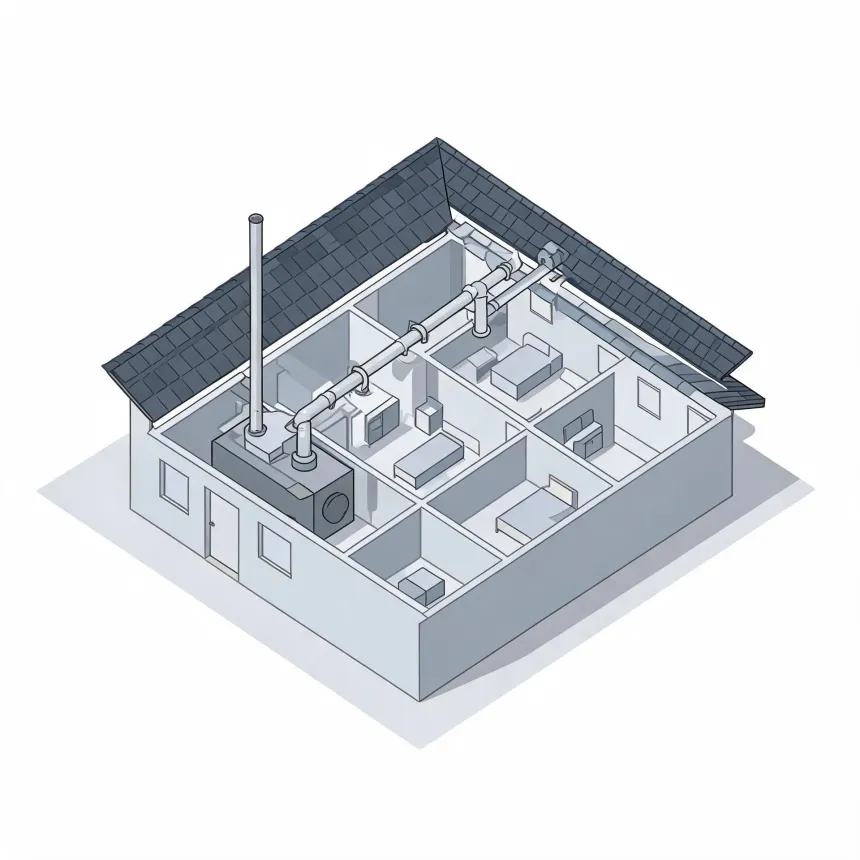
Isometric cutaway illustration of a single-story house showing interior rooms, furniture, a dark furnace unit with a tall vertical flue pipe, and ductwork running under the pitched shingle roof.
Your furnace works hardest from November through April.

NOAA nClimDiv, 1991–2020 normals

Half the homes in Lyon County were built in 1998 or later.

A furnace that age still has years in it, so a repair call usually makes more sense than a replacement quote.

Fernley's weather is ordinary. The wear on your furnace isn't about bad luck.

432 severe weather events from 2015 to 2024
13% of homes statewide lost power a day or more in 2024
305 damaging wind events from 2015 to 2024
The first cold week finds the weak partFurnace season starts in October here, after a September spent idle.

Natural gas here ran $17.91 per million Btu in 2024. That's a Nevada number, not a Fernley one, but it's the fuel your furnace is burning all winter, so the cost of letting a problem sit adds up faster than you'd think. A furnace running rough, short cycling or taking longer to heat the house, is often just burning more gas to do the same job. None of this points to anything strange about your system or your house. It's the kind of wear any furnace shows after enough winters, and the fix is usually straightforward.

Get the part that's worn found and fixed

A furnace that's been cycling since October has had months to wear down an igniter or a flame sensor. Getting it looked at now means whoever fixes it is fixing the actual part, not guessing.

Find a contractor
A gray residential gas furnace installed in an unfinished basement, surrounded by ductwork, a metal flue pipe, and a gas supply line.

Say how old it is when you call

If your furnace came with the house, mention that when you book the call. A furnace that age still has plenty of years left in it, so there's rarely a reason to let a repair call turn into a replacement quote. Whoever comes out can focus on finding the one worn part, not sizing you up for a new system.

A few parts do most of the failing

An igniter cracks with age and stops glowing hot enough to light the gas. A flame sensor coats with residue until it can't tell the burner is lit, so the system shuts itself down as a safety check. A blower motor wears at the bearings until it runs loud or won't move air at all. None of this means anything else is wrong with the furnace. These parts just take the wear.

The symptom usually points at the part

A furnace that clicks and tries to start but won't stay lit is almost always the igniter or the flame sensor. One that lights fine but never gets air moving through the vents is the blower. Knowing which one you're seeing before anyone shows up means the visit goes straight to testing that part instead of working through the whole system first.

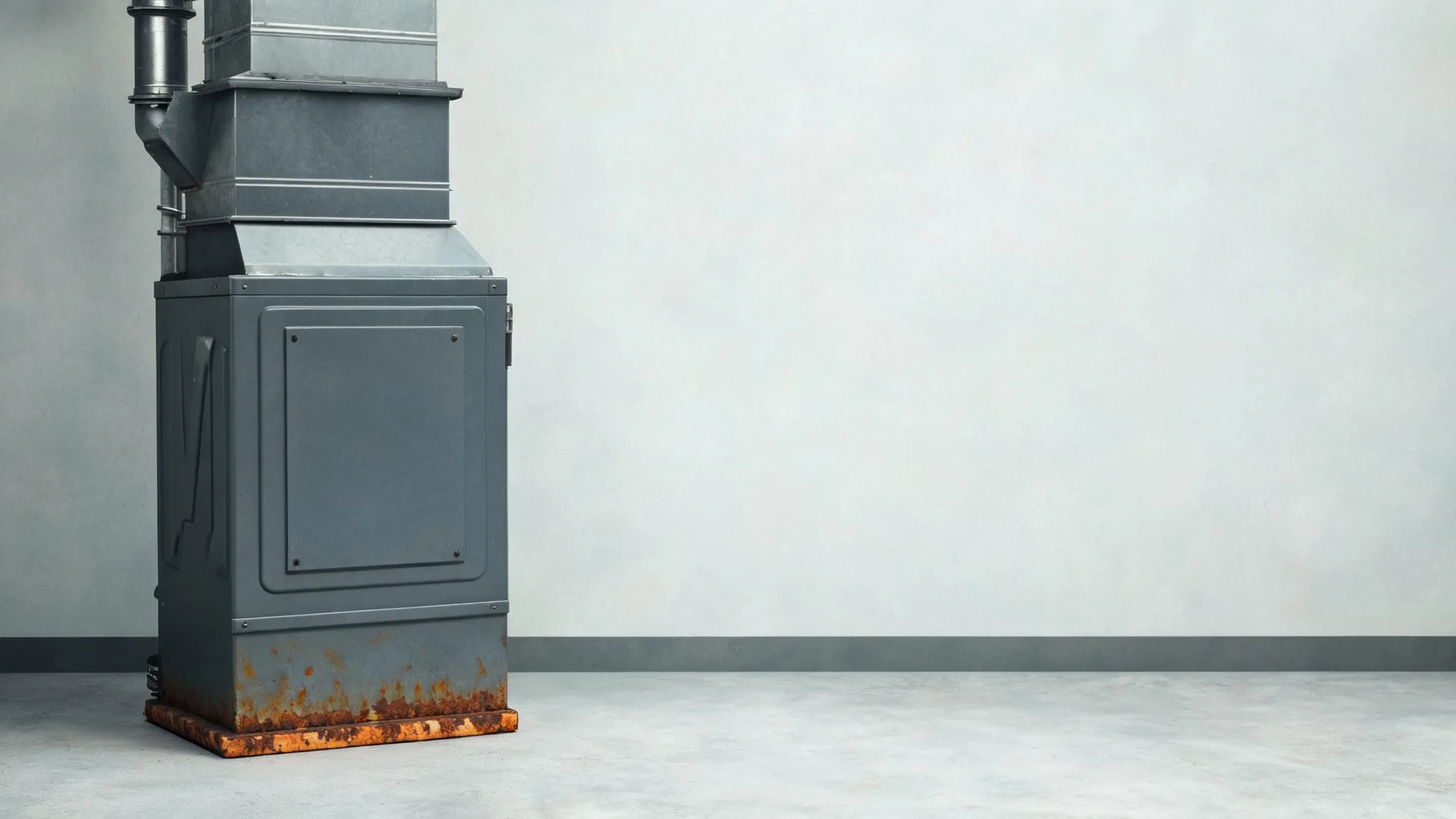
An unfinished concrete basement containing a gas furnace with sheet-metal ductwork, utility shelving, and exposed overhead joists.

A new furnace would cut about $130 a year off heating for a typical Lyon County home.

  • A new high-efficiency furnace$570 a year
  • An older furnace$700 a year

Estimates for a typical Lyon County home, compared with an older unit built to the previous federal minimum, from EIA household energy data, Nevada fuel prices and NOAA climate normals. Your home will differ.

Repair makes sense when one part has failed and the heat exchanger is sound.

Replacement makes sense when the heat exchanger is cracked or the furnace keeps needing parts.

A furnace is a handful of parts that wear and a cabinet that doesn't. The heat exchanger, the cabinet, the ductwork, those outlast most of what's attached to them. What fails first is whatever has to strike a flame, sense a flame, or spin to move air, because those parts work every single cycle. That's why one broken part on an old furnace is still usually worth fixing. You're not restoring a worn-out machine, you're replacing the one piece that gave out on a cabinet that's got plenty of life left. Replacement starts to make sense when the repairs stop being isolated, when the part that failed last year isn't the part failing now. A tech who's actually looked at the furnace can tell you which situation you're in. Guessing from the symptom alone can't.