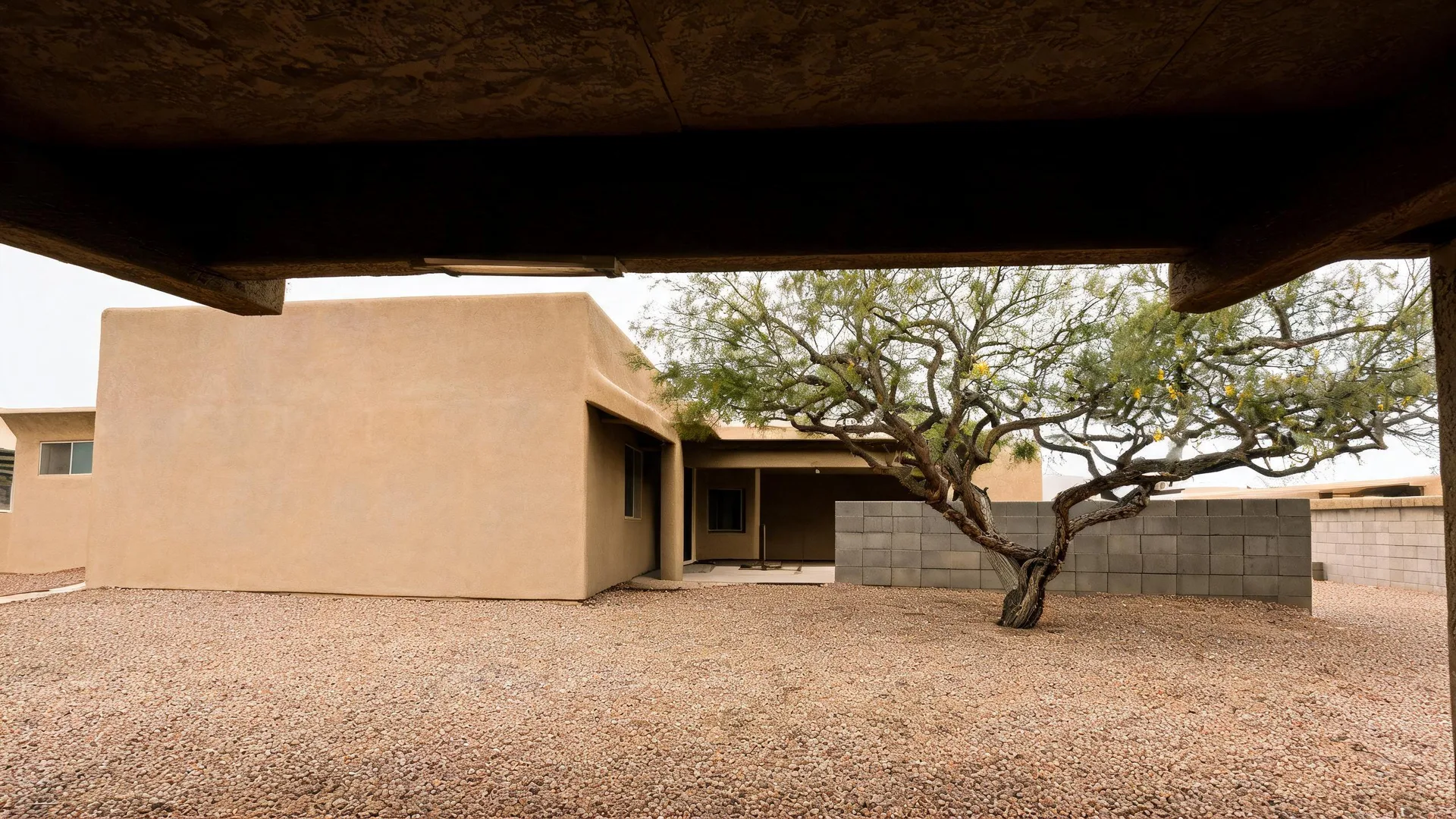




View from beneath a concrete overhang toward a tan stucco single-story house with a gravel yard, a low concrete block wall, and a mesquite-like tree with a twisted trunk.

Furnace Repair in Hawthorne, NV

Tell us about the job

Takes about a minute. No obligation.

RepairFurnace or heatingMineral County, NV
Step 1 of 2

What ZIP code is the job in?

Furnaces here run from October through May, about eight months of the year. Overnight lows average 22°F through December, January and February, so the furnace is doing real work on winter nights. None of that is unusual for a furnace built to heat a home through a Nevada winter. When one starts short cycling, blows cold air, or won't fire at all, the cause is usually something that shows up in any furnace this age. A failing igniter. A dirty flame sensor. A clogged filter choking airflow. A contractor can look at the unit and tell you which one it is and whether it's worth repairing.

8 months
October through May, your furnace is on duty
22°F
the average winter night it heats against
17 winter storms
in ten years, the nights a failure hurts most
Isometric cutaway illustration of a house with a shingled gable roof, showing a gray furnace unit connected to overhead ductwork and a chimney flue, with simplified furniture in the rooms below.
Your furnace works hardest from November through April.

NOAA nClimDiv, 1991–2020 normals

September is the last quiet month before Mineral County furnaces start up in October.

A weak igniter or a cracked heat exchanger usually shows itself in October, the first weeks the furnace is working hard.

Propane here runs $31.51 per million Btu, and a furnace with a bad part burns it all winter

Heat runs October through May
Winter nights average 22°F
Climate zone 4B

Half the homes in Mineral County were built in 1971 or earlier. If your furnace is original to the house, or close to it, it's old enough that a major repair might not be worth putting money into. A cracked heat exchanger or a failing blower motor can mean the unit is near the end either way. Worth asking a contractor how much life is left in it before you commit to the repair. Mobile homes make up close to a quarter of the homes here, and those furnaces run different parts and sizing, so whoever looks at yours should know which kind they're dealing with.

A bad part now costs you all winter

A furnace that short cycles or struggles to fire still runs on propane at $31.51 per million Btu, and it'll keep burning that way until the bad part gets replaced. Have a contractor find the cause now, before the cold nights ahead make it work harder.

Find a contractor
A gas furnace with attached ductwork, gas piping, and condensate lines installed in a concrete-block basement.

A small problem now is a bigger one later in the season

A cracked heat exchanger starts as a hairline split that only shows up once the metal heats up and expands. Keep running the furnace and the crack opens a little more each cycle, until it's letting exhaust into the air the blower pushes through the house. A failing igniter wears the same way. It glows dimmer each time it fires, so the furnace tries again and again to get a flame lit, and that extra cycling wears on the ignition control board too. A dirty flame sensor will shut the furnace off a few seconds after startup, and the constant restarting that follows is hard on the blower motor and the board both. None of these get better left alone. The part that's struggling now is the part that fails outright later, usually on the coldest night it's asked to work the hardest.

A few parts do most of the work

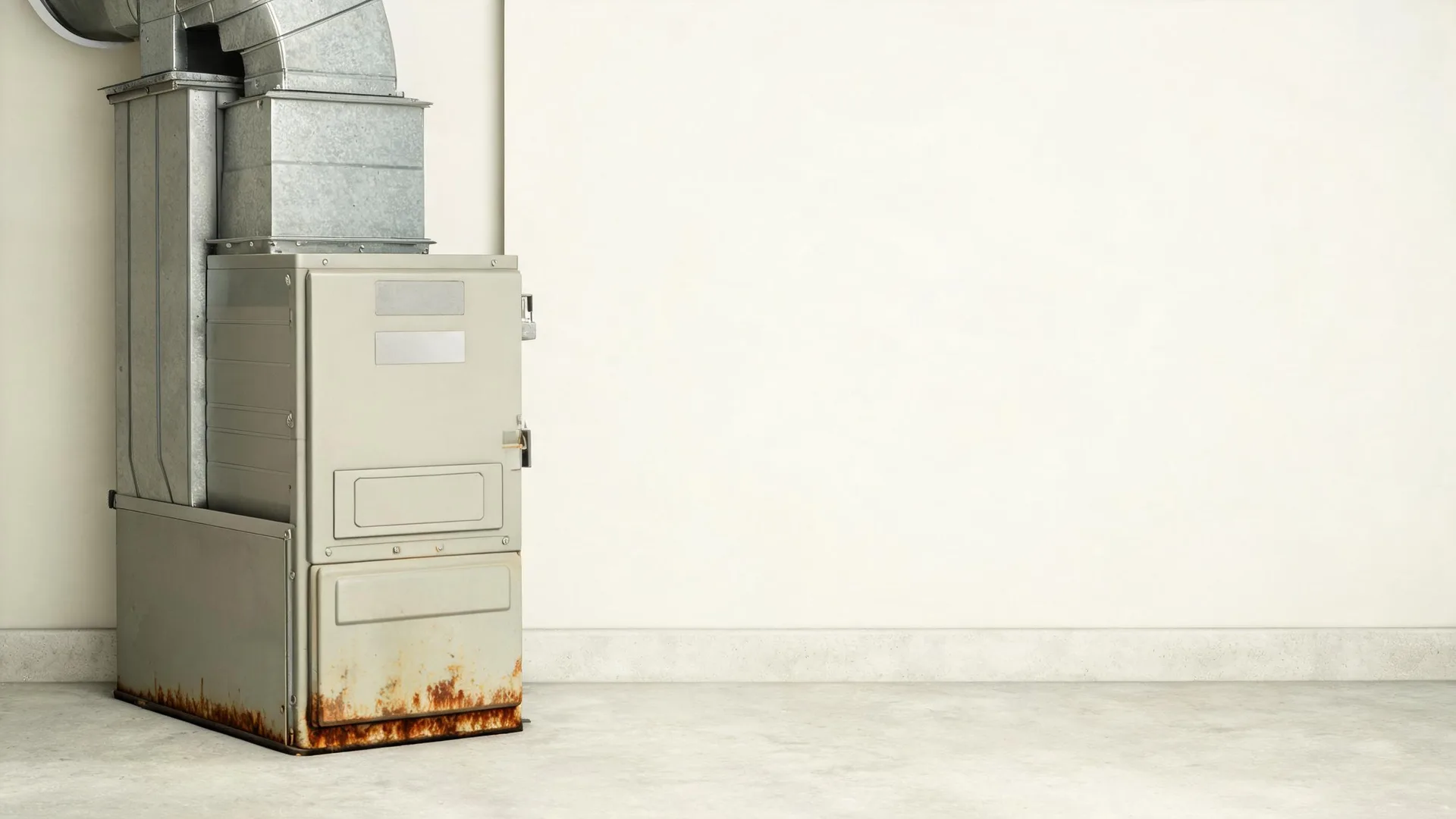
The igniter lights the gas. The flame sensor checks that it caught. The blower pushes the warm air out. Most failures are one of these giving out, not the whole furnace quitting at once. Finding which one is most of the job.
The symptom points at the part

A furnace that fires and then quits usually has a dirty or failing flame sensor. One that won't fire at all often has a worn igniter or a gas valve that's not opening. Cold air from the vents usually means the blower is running but no flame ever caught. Telling a contractor what it's doing, not just that it's broken, gets them to the right part faster.

Before you call anyone, a few things are worth checking yourself. Start with the filter. A filter clogged with dust chokes airflow, and that alone can make a furnace blow cool air or shut off early into a cycle. Next check the thermostat, make sure it's set to heat and the setting is actually above room temperature, and swap the batteries if it uses them. Go to the furnace itself and look for a switch on the side or on the wall nearby that looks like a light switch, sometimes it gets bumped off. Check the breaker too, a furnace that won't start at all sometimes just needs power restored. If yours has a standing pilot, see whether it's lit. None of this fixes a cracked heat exchanger or a failing igniter, but it rules out the simple stuff first, and it gives a contractor a clearer picture of what's actually wrong when they get there.

A contractor starts by asking what the furnace was doing before anyone touches it. Did it fire and quit. Did it blow cold air. Did it never start at all. That alone narrows things down before the panel comes off. Then they'll watch it try to run, because a furnace often shows the problem better while cycling than while sitting still. They'll check for a flame and look at its color. They'll test the igniter for resistance and watch the flame sensor for a reading that drops out partway through a cycle. Airflow gets checked too, since weak or blocked flow can look like a failing part even when the part itself is fine. Most of a diagnostic visit is this, testing one part at a time until the one that doesn't check out shows itself.