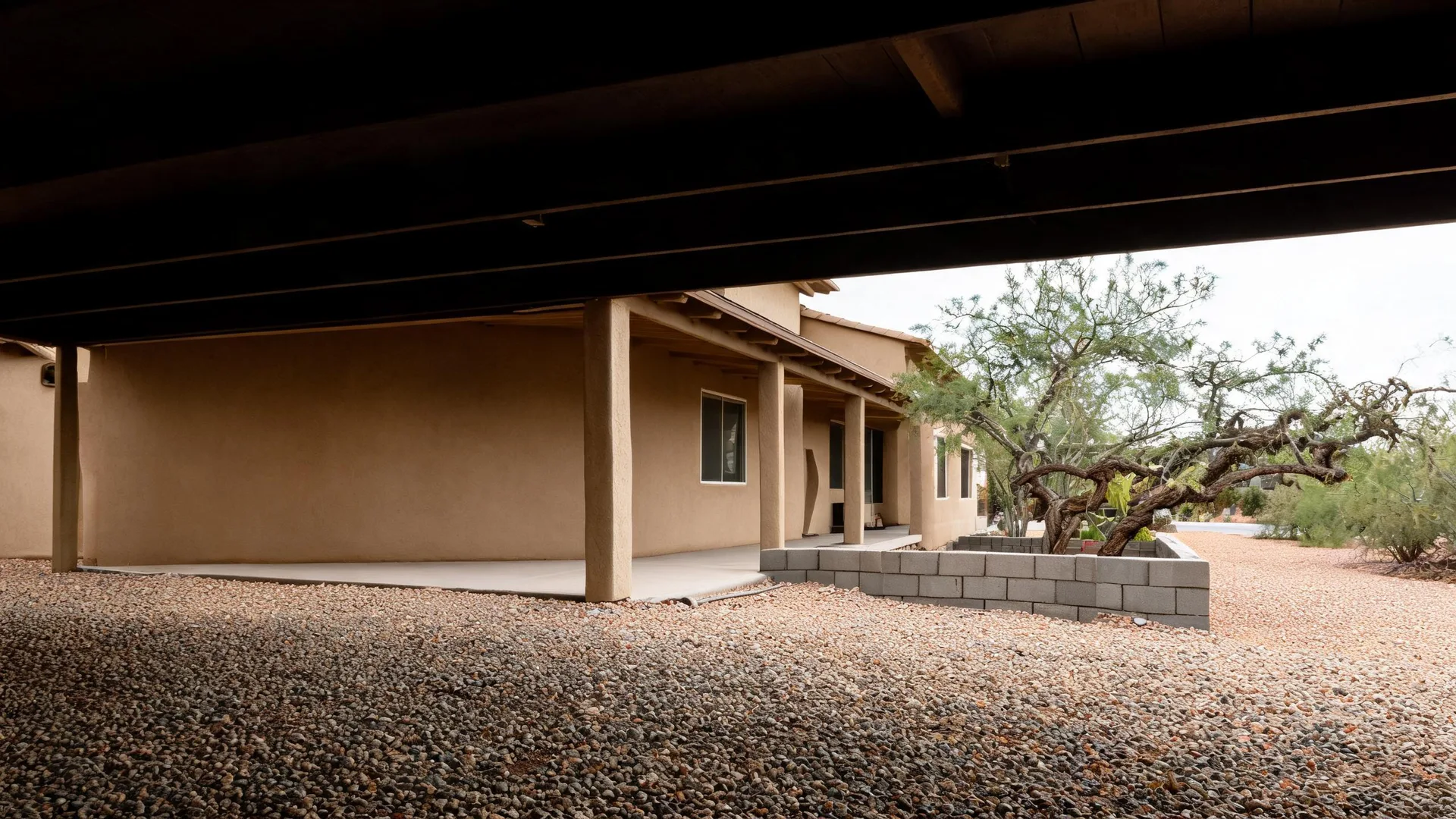




View from under a shaded patio roof toward a single-story stucco house with a covered walkway, a concrete block retaining wall, a low spreading tree, and gravel ground cover.

Furnace Repair in Gardnerville Ranchos, NV

Tell us about the job

Takes about a minute. No obligation.

RepairFurnace or heatingDouglas County, NV
Step 1 of 2

What ZIP code is the job in?

Your furnace in Gardnerville Ranchos runs about ten months out of the year, September through June. That is most of the year spent cycling on and off, heating a house against overnight lows that average 24°F through December, January and February. On top of that, the area has seen winter storms, heavy snow, ice, blizzards, 221 times in the last ten years. Every one of those events means the furnace is working longer and harder to keep up. That kind of use wears parts down sooner than you'd expect, and it's usually why something that seems like a small issue is already further along than it looks.

10 months
September through June, your furnace is on duty
24°F
the average winter night it heats against
71%
of homes here heat with gas, so most furnaces here burn gas
221 winter storms
in ten years, the nights a failure hurts most
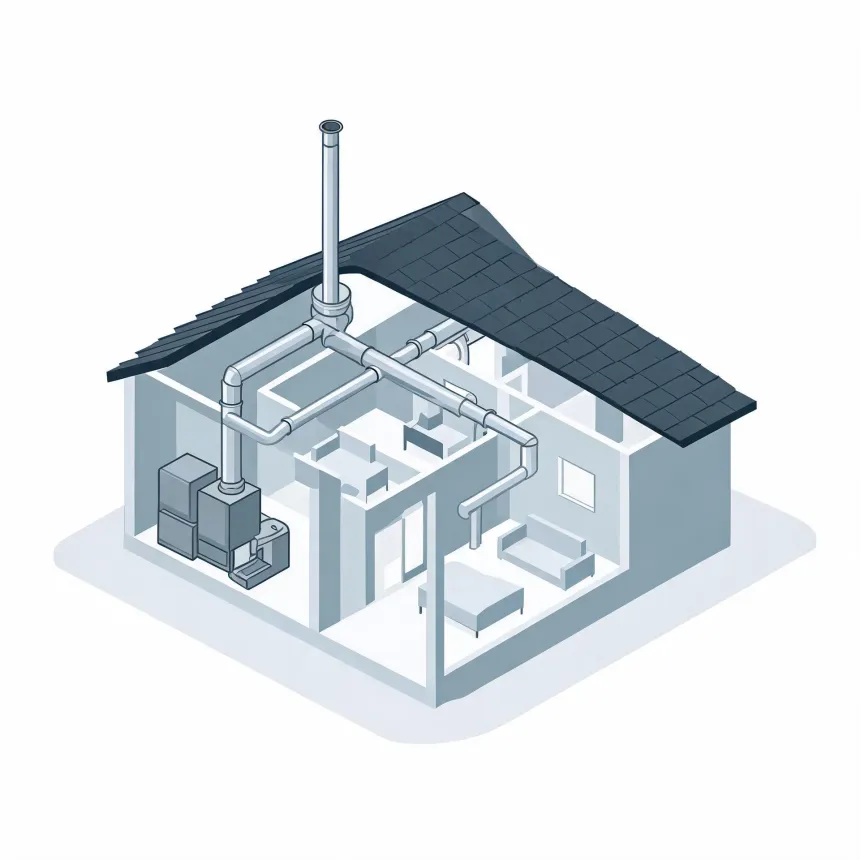
Isometric cutaway illustration of a small house showing a furnace unit connected to ductwork and a vertical flue pipe extending through the dark shingled roof, with sparse furniture in the rooms.
Your furnace works hardest from November through April.

NOAA nClimDiv, 1991–2020 normals

Furnaces here start their run in September, right after August.

If yours is going to show a weak part, the first cold weeks are when it happens.

Gardnerville Ranchos sees its share of storms, but a failing furnace almost always comes down to one worn part

513 severe weather events from 2015 to 2024
13% of homes statewide lost power a day or more in 2024
290 damaging wind events from 2015 to 2024
A furnace that's struggling costs you every month it runsGas here ran $17.91 per million Btu in 2024, and a furnace running most of the year burns a lot of it

Half the homes in Douglas County were built in 1990 or later. If yours is one of them, the furnace itself is probably newer too, especially if it's the one that came with the house. A furnace that age has most of its working life still ahead of it, even with the hard use it gets here. That's worth knowing before you decide whether a repair makes sense. A newer furnace with one bad part is still a newer furnace.

Get the furnace looked at before the next cold stretch

A furnace that runs this much doesn't get to hide a bad part for long. Have it looked at and fixed by someone who can tell a worn part from a failing one, so the repair actually holds up through the next storm.

Find a contractor
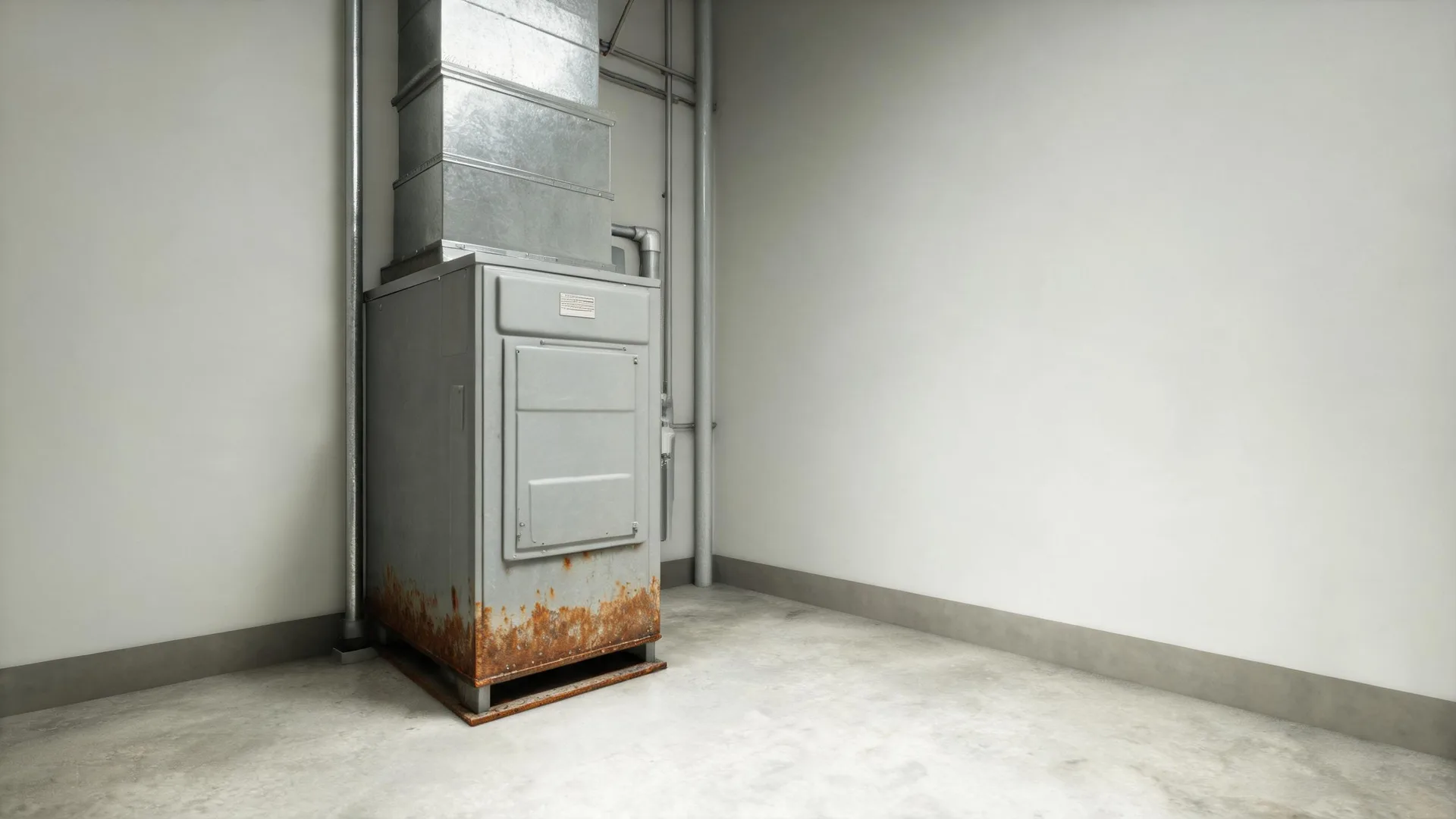
A gray residential gas furnace installed in an unfinished basement, connected to sheet-metal ductwork and PVC pipes.

A newer furnace just needs the one part fixed

If the furnace is still within the first half of its life, a bad igniter or a failed inducer motor is a repair, not a reason to replace it. The part failed. The furnace didn't. Get the part swapped and it keeps running the rest of the winter and beyond.

Most failures are one part, not the furnace

An igniter cracks with age and stops glowing hot enough to light the gas. A flame sensor coats with a film of oxidation and tells the control board there's no flame even when there is. An inducer motor's bearings wear until it can't pull enough air through to satisfy the pressure switch. Each one stops the furnace cold, and each one is a single part swapped out, not a reason to replace the unit.

The furnace shows you before it quits on you

A furnace rarely dies without warning. It short cycles, shutting off early into a run, because a flame sensor or limit switch is already failing. It starts making a grinding or rattling sound from a blower wheel going out of balance. It blows cool air partway through a cycle because a gas valve or heat exchanger is struggling to keep up. Catching one of these early is what keeps a repair a repair.

An unfinished basement containing a gas furnace with ductwork in the foreground and miscellaneous stored items along the far concrete wall.

A new furnace would cut about $140 a year off heating for a typical Douglas County home.

  • A new high-efficiency furnace$630 a year
  • An older furnace$770 a year

Estimates for a typical Douglas County home, compared with an older unit built to the previous federal minimum, from EIA household energy data, Nevada fuel prices and NOAA climate normals. Your home will differ.

Repair makes sense when one part has failed and the heat exchanger is sound.

Replacement makes sense when the heat exchanger is cracked or the furnace keeps needing parts.

The real question isn't how old the furnace is, it's which part failed and what that part means. A cracked heat exchanger is a different problem than a bad igniter, even though both can leave the house cold. One is a swap. The other means the metal that keeps combustion gases separate from the air in the house is failing, and that isn't something anyone patches over. So look at what actually broke before deciding anything. A furnace that keeps coming back with a new complaint each season is telling you something different than one that's run clean and just had a sensor go bad. Ask what failed and whether anything else nearby is showing the same wear. That usually points the right way on its own.