
Heat pump vs furnace in Clark County, Nevada

Request a Quote

Serving Clark County homes

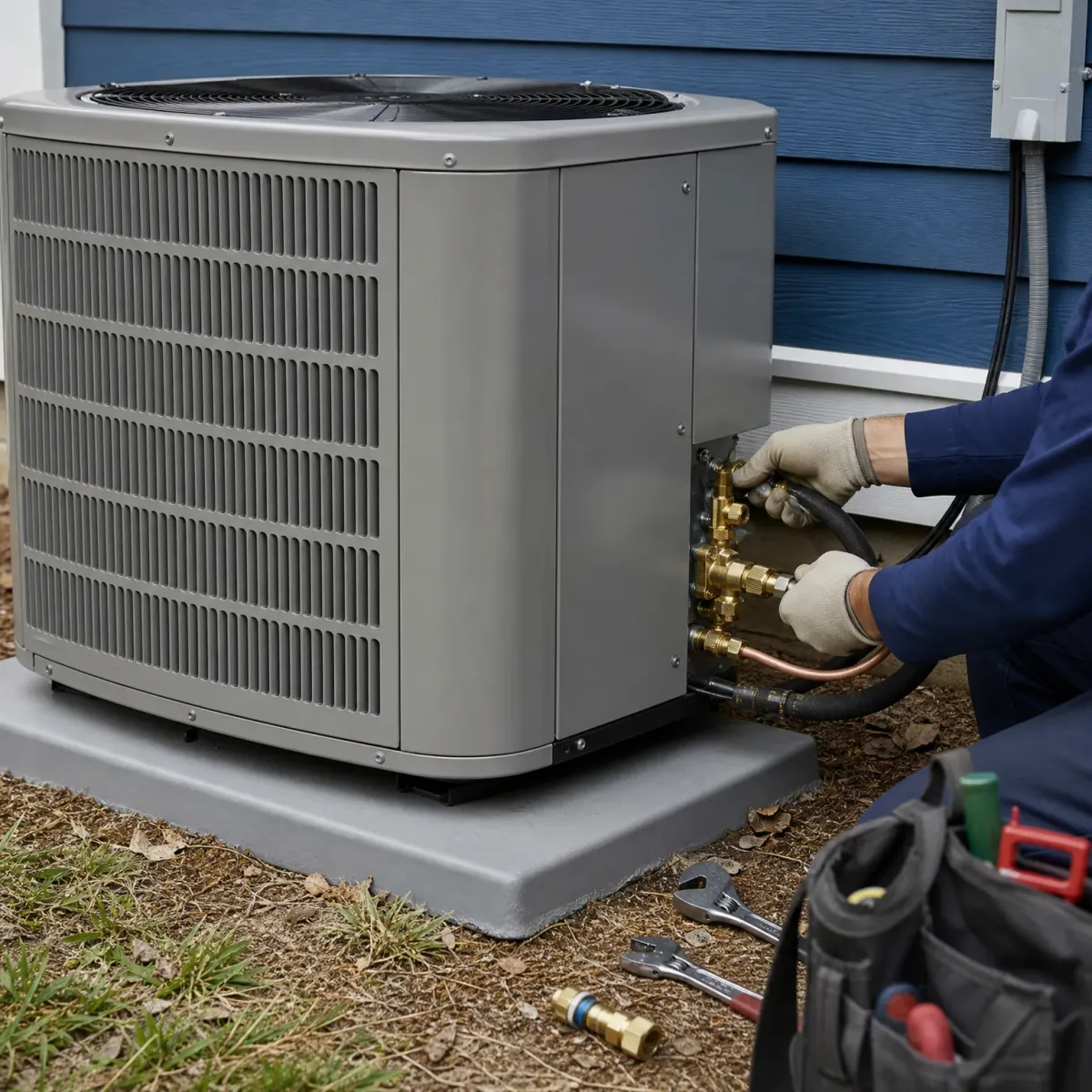
A gloved technician connects refrigerant lines with brass fittings at the side of a gray outdoor air conditioner condenser on a concrete pad beside a blue-sided house, with wrenches and a tool bag on the ground nearby.

Tell us about the job

Takes about a minute. No obligation.

New system or replacementClark County, NV
Step 1 of 3

What kind of equipment?

Which costs less to run in Clark County?

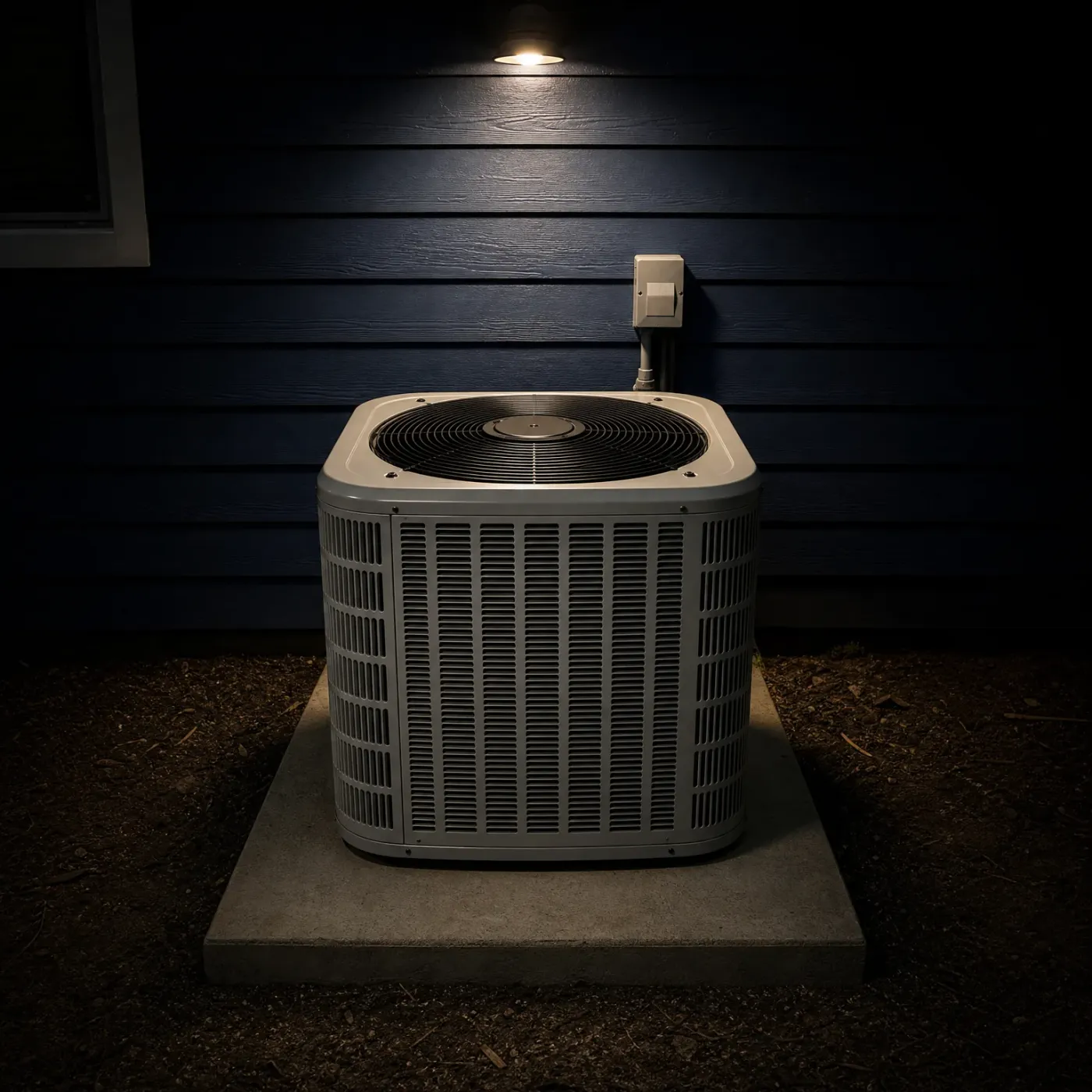
A gray outdoor condenser unit on a concrete pad beside a dark blue horizontal-lap sided wall at night, lit by a wall-mounted light above, with an electrical disconnect box on the wall behind it.

Heat pump

To heat your home here$2.00per 100,000 Btu

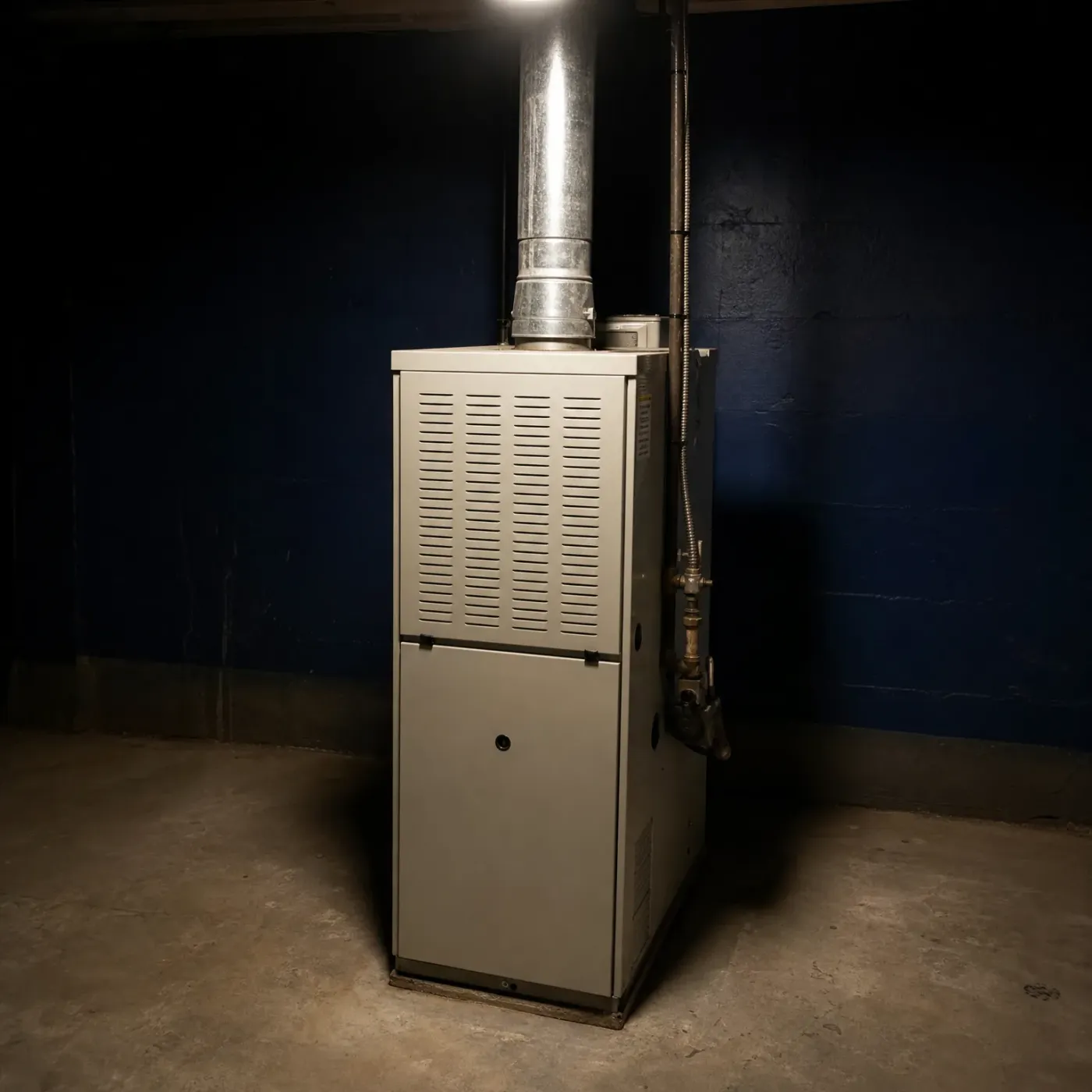
A beige residential furnace with a metal flue pipe rising to the ceiling stands against a dark blue painted basement wall on a concrete floor.

Furnace

To heat your home here$2.24per 100,000 Btu

At Nevada's gas and electricity prices, a heat pump makes the same heat as a gas furnace for about 11% less.

Btu stands for British thermal unit, the standard measure of heat energy.

Where does a heat pump shine?

  • Made for mild winters

    Overnight lows in Clark County only average 37°F in December, January and February, so a heat pump here is rarely working against real cold. It can pull heat from outside air all winter without strain.

    A light blue paneled front door with two small windows on a white clapboard house, flanked by a black lantern sconce and navy shutters, with a potted evergreen, a pair of brown boots, a doormat, and stone steps leading to the wooden porch.
  • Covers a long cooling season

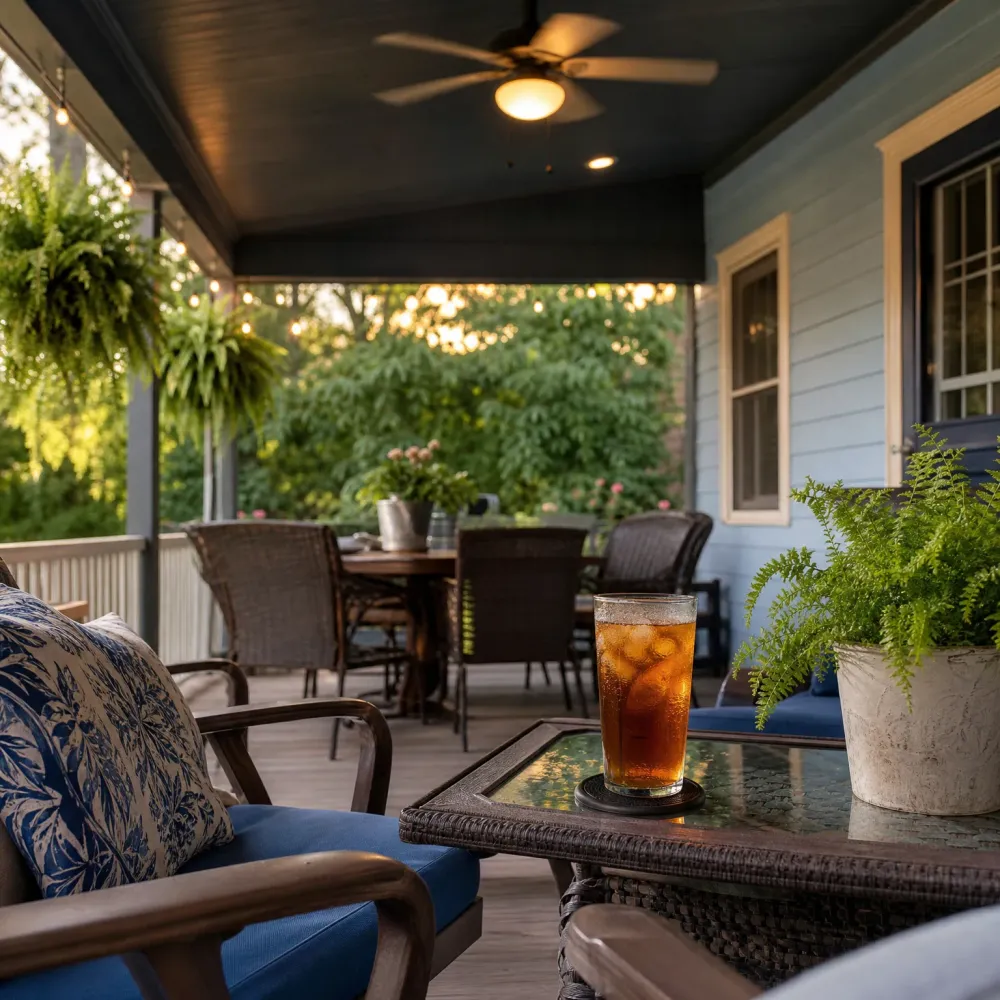
    Cooling runs May through October here. A heat pump is earning its keep most of the year, so how well it cools matters as much as how it heats.

    A covered porch with a ceiling fan, hanging ferns, string lights, wicker dining set and cushioned chairs, with a glass of iced tea on a coaster on a glass-topped side table and green trees beyond.
  • Heats and cools in one system

    A heat pump runs the same way all year. It pulls heat into the house in winter and pushes it out in summer.

    A living room with a white sofa and blue throw, navy built-in shelves holding pottery and books, a wooden coffee table with a bowl and green hydrangeas, and a large curtained window overlooking a garden.

Where does a furnace shine?

  • Runs on the gas most homes here already use

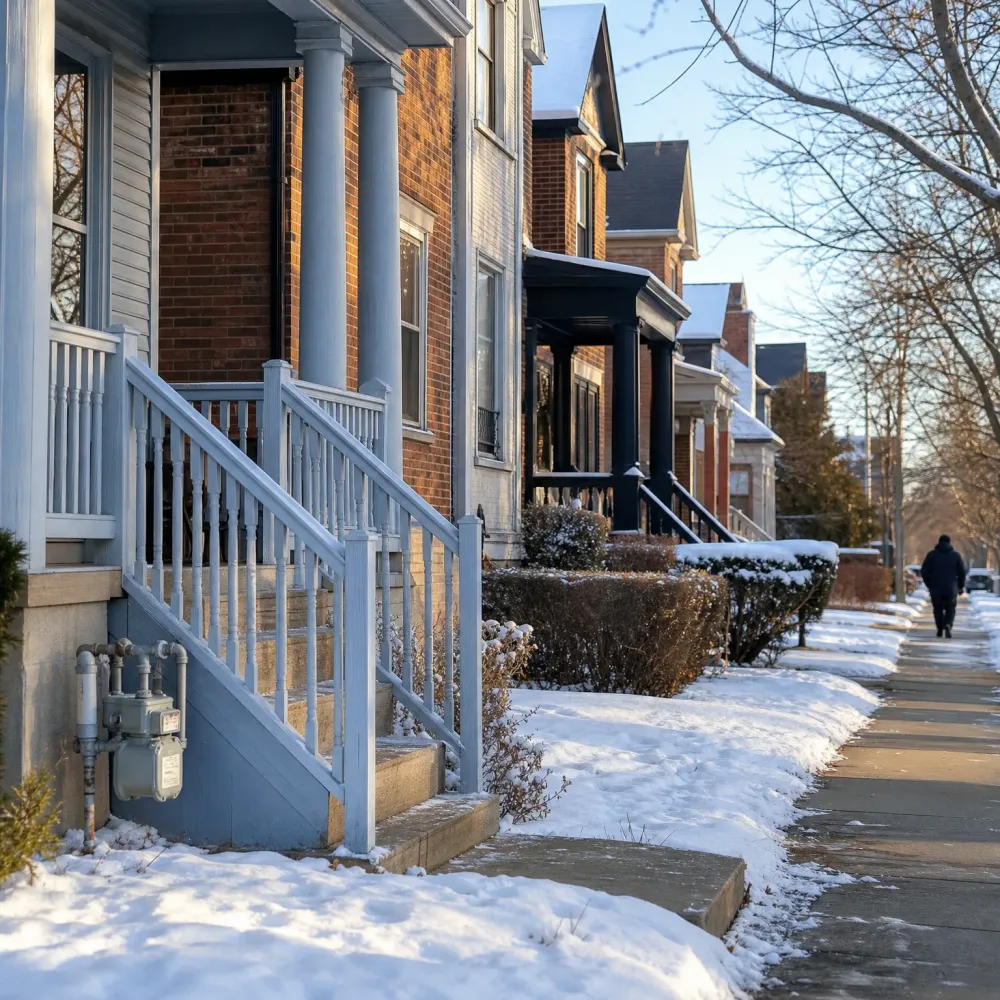
    Most homes in Clark County already heat with gas, 60.2% of them. A gas furnace just taps into a line that's probably already run to your house.

    A row of brick houses with covered porches and light blue railed front steps along a snow-lined sidewalk, with a person in dark clothing walking away in the distance under bare trees.
  • Pairs with any central AC

    The ductwork that delivers heat in winter delivers cool air in summer once an AC coil is added.

    A metal floor vent set into a hardwood floor beside a white sheer curtain, white trim and blue wall, with a potted plant in a woven basket at right in sunlight.
  • Fast, strong heat on demand

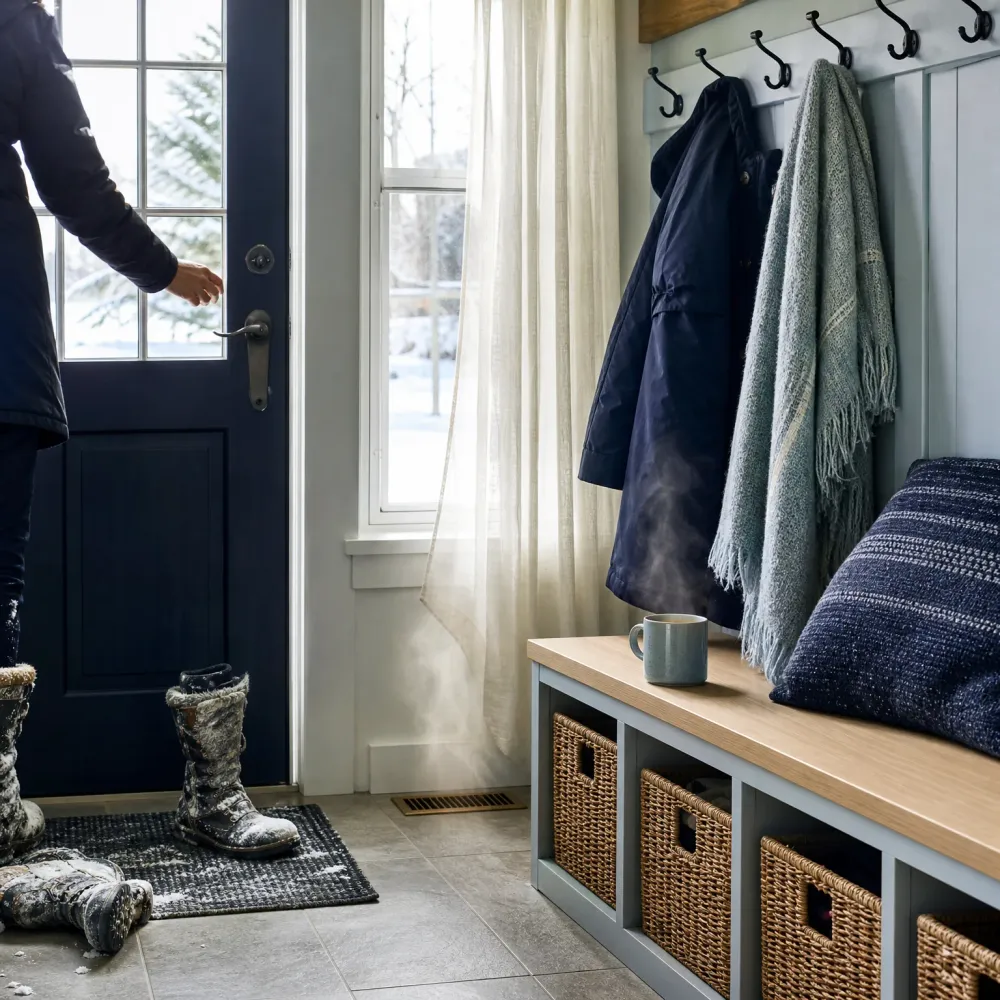
    A furnace pushes out hot air within minutes of switching on. A cold house warms up fast.

    A mudroom with a dark blue door where a person in a dark coat reaches for the handle, snowy boots on a rug, a steaming mug on a wooden bench with wicker baskets, and a coat and throw hanging on wall hooks.

Winters here don't ask much of a heat pump

Your winters are mild enough that a heat pump can do the whole job. The overnight low averages 37°F across December, January and February, and it only drops to freezing or below on about 18 nights a year. That's the whole case against a furnace right there. A furnace exists to put out strong heat when it's genuinely cold outside, and in Clark County it rarely gets that cold.

A heat pump struggles in one situation: real cold, night after night. You don't have that. Eighteen nights at or below 32°F, out of roughly 180 nights in the six months your heat runs, is a small slice of the season. The other five and a half months, a heat pump is working in conditions it's built for.

Run the cost on top of that and the heat pump wins twice. At Nevada's prices, a heat pump makes the same heat as a gas furnace for about 11% less, $2.00 against $2.24 per 100,000 Btu. It costs less to run and it's suited to your winters. A furnace running on utility gas, which 60.2% of homes here already use, will keep you just as warm. It just costs a bit more to do it, and it's built for a kind of winter you don't have.
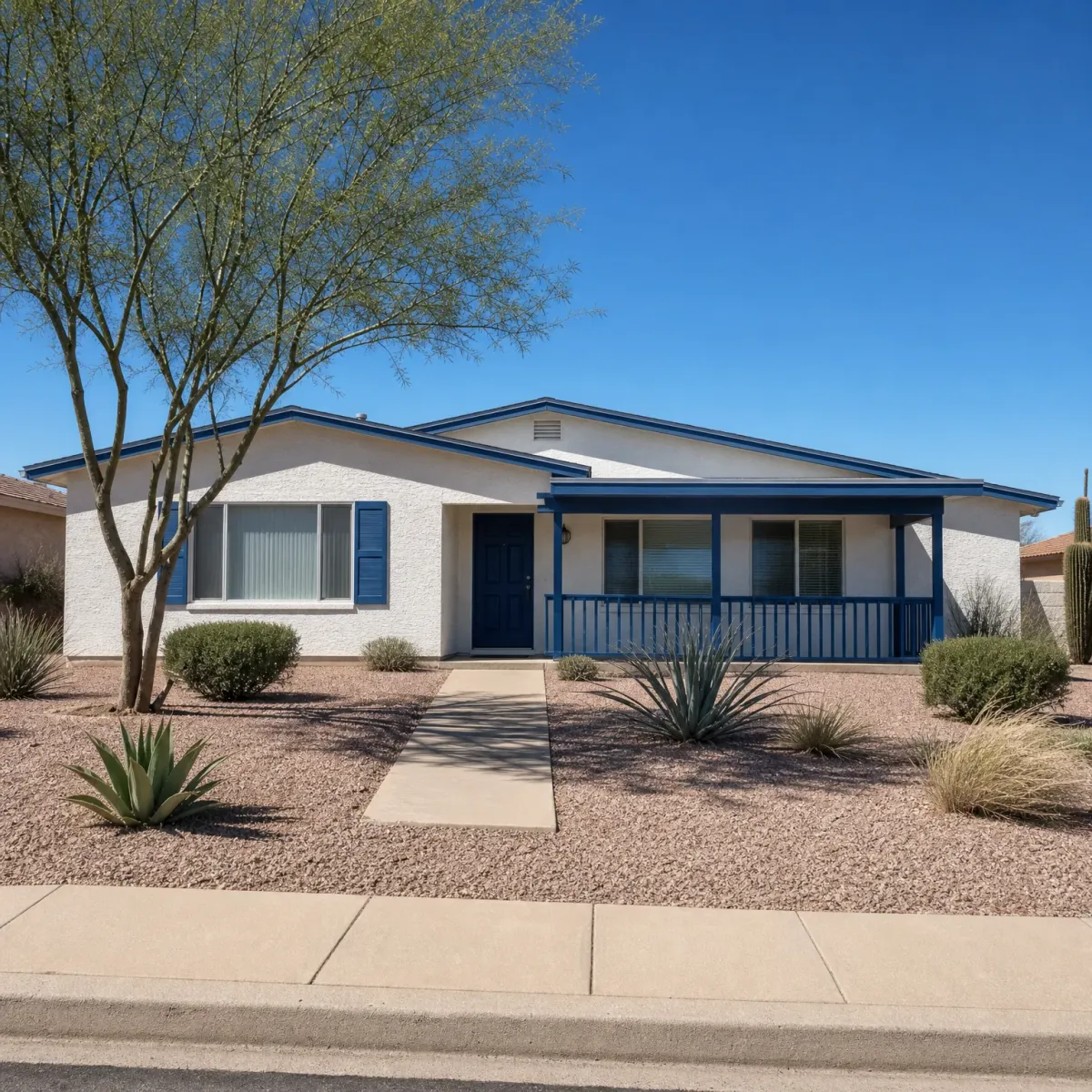
Single-story white stucco house with blue trim, shutters, door and porch railing, fronted by a gravel yard with agave, shrubs and a thin-leaved tree, with a concrete walkway leading to the sidewalk and street under a clear blue sky.

The other six months are cooling, and that's where a heat pump pulls ahead

Heating and cooling split the year evenly here, six months each, and your summers are serious: afternoons average 98°F in June, July and August, and hit 90°F or higher on about 135 days a year. A furnace has no answer for any of that. It only heats. For the six months it isn't heating, it sits there doing nothing while a separate air conditioner carries the house.

A heat pump is the AC. It heats your house all winter and cools it all summer with one system, not two. That matters here specifically because your cooling season is as long as your heating season, not a short shoulder season tacked onto a long winter. You need strong cooling for half the year no matter what heats your house, so the question isn't whether you need an air conditioner. You do. The question is whether it's a separate machine or the same one that heats you.

If your house already has a furnace paired with central AC, that setup works and the gas most homes here use makes it a reasonable one to keep. But if you're choosing new, a heat pump is doing two jobs for the price of running one system, in a county where both jobs run six months a year.

Sources: NOAA nClimDiv · NOAA 1991–2020 seasonal normals · EIA SEDS 2024 · 10 CFR 430.32 · Census ACS 2020–2024

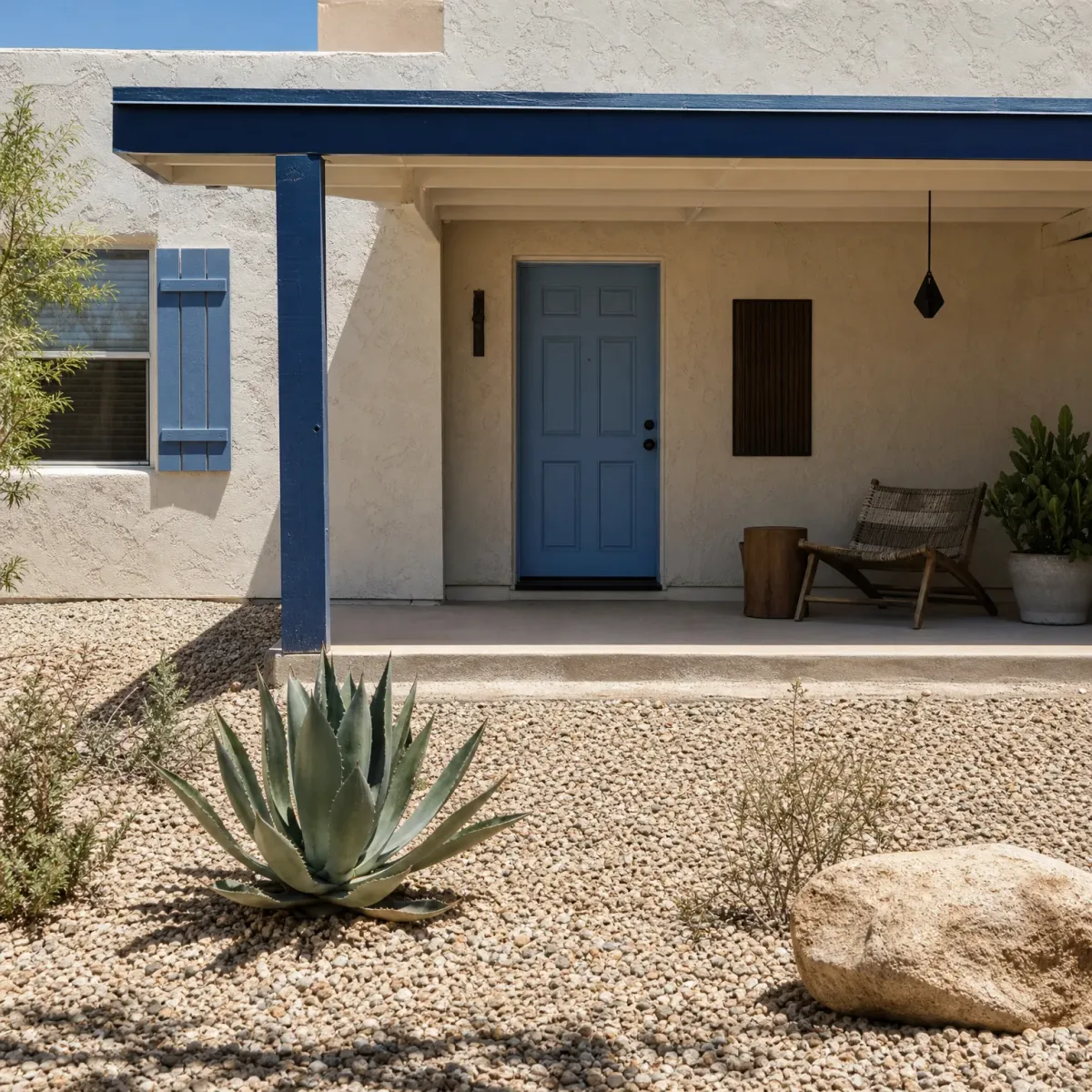
A single-story stucco house with a blue door, blue shutters and a dark blue porch beam, fronted by a gravel yard containing an agave, small shrubs and a large boulder.

Common questions about heat pumps and furnaces

  • Will a heat pump keep my house cool enough here?

    Yes, a heat pump cools the same way a central air conditioner does, because it's the same equipment running in reverse. Clark County sees about 135 days a year at 90°F or above and afternoon highs averaging 98°F in June, July and August, and a heat pump sized for your house handles that the same as a standard AC would.

  • Can I keep my furnace and add a heat pump?

    Yes, that pairing is called a dual fuel system. The heat pump handles the heating and cooling, and the furnace stays in place as backup for the nights it's needed most. With overnight lows averaging 37°F here and only about 18 nights a year dropping to freezing or below, the furnace would have little to do most winters.

  • Is a heat pump cheaper to run than a furnace in Clark County?

    Yes, at Nevada's average fuel prices a heat pump costs less to run than a gas furnace. The heat pump makes heat for about $2.00 per 100,000 Btu against $2.24 for the furnace, around 11% less. That gap comes from Nevada's electricity and gas prices and holds for heating here, which runs about six months a year from November through April.